inquiry
Leave Your Message
0%

Picking out the right tractor truck isn’t just about chasing the lowest price—it’s a key business decision. Honestly, the best truck really depends on what kind of work you’re gonna toss at it every day. If you’re doing local deliveries, that’s quite different from hauling long distances or dealing with heavy loads all the time. Before you dive into comparing models, take a moment to figure out your annual mileage, typical cargo weight, terrain challenges, how much idle time you'll have, and roughly how many hours you’ll be running the truck.

And don’t just look at horsepower—there’s more to it. Check the truck’s rated capacity, engine torque, transmission type, axle setup, fuel efficiency, and whether it plays nicely with your trailers. Comfort inside the cab matters too, especially since drivers might be spending long hours on the road. When chatting with dealers, ask about warranty coverage, how easily you can get parts, maintenance schedules, and support in your area. It’s also a good idea to review the manufacturer’s specs and make sure the truck’s really suited for your operating conditions. You might see the phrase “Tractor Truck Tractor Truck” popping up in online searches, but for real comparisons, focus on the actual model details—not just keywords.

Don’t forget, ownership costs are often underestimated. Be sure to include the upfront costs like purchase or lease payments, plus ongoing expenses like maintenance, tires, insurance, fuel, and possible downtime. It’s best to compare options over the time you plan to keep the truck—getting written estimates from dealerships helps, though of course, no estimate is perfect. Things happen on the road—delays, repairs—and it’s tough to predict everything.

This little guide is all about helping you evaluate performance, costs, driver comfort, and after-sales support before making a final choice. We also cover questions you should ask during inspections and test drives. Remember, choosing carefully can save you from some costly surprises later, but keep in mind—there’s no one-size-fits-all truck that’s perfect for every business.
How to Choose the Best Tractor Truck for Your Business

Define Your Business’s Hauling Needs

Define the loads before comparing tractor trucks. Record typical and peak payloads, trailer types, daily mileage, and weekly departures. Peak loads matter. A truck sized only for average work may struggle during busy periods, while excess capacity can add cost without earning more revenue.

Map the real routes, not just the distance between depots. Note steep grades, tight loading yards, long idle periods, winter conditions, and whether drivers return home nightly. These details help determine power, axle configuration, fuel capacity, and cab requirements. The American Transportation Research Institute’s 2023 Operational Costs of Trucking report estimated average marginal operating costs of $2.251 per mile in 2022. Even small changes in fuel use or annual mileage can therefore affect operating budgets. The Federal Highway Administration’s Freight Analysis Framework projected freight tonnage to grow about 50 percent from 2021 to 2050, but national forecasts may not reflect your local demand. Treat them as context, not a purchasing plan. Estimates are imperfect; a few weeks of careful route and load records may reveal needs a spreadsheet misses.

Match Truck Configuration to Cargo and Routes

Your cargo should determine the tractor configuration, not the other way around. A flatbed carrying long steel sections needs different coupling and load distribution from a refrigerated trailer. Check the trailer’s loaded weight, dimensions, and center of gravity against the tractor’s rated capacity. Then consider how often the truck will start on hills or travel over uneven ground. More power can look reassuring, but it cannot correct a poor axle match. Small details matter.

Routes shape the choice just as much. Frequent tight turns call for a configuration that can maneuver comfortably; long motorway runs may favor a setup built for steady cruising and fuel efficiency. For mixed routes, compare turning space, grade, road surface, and the availability of service stops. A search for “Tractor Tractor Truck” may bring up broad options, but the right fit depends on real cargo and route records. Keep a week of dispatch notes, including delays and difficult loading sites. I used to focus too much on engine output; that misses the daily work. A careful check of payload ratings, hitch compatibility, and expected maintenance needs can prevent an expensive mismatch. The paperwork and measurements can feel tedious. They are worth checking.

Compare Engine, Transmission, and Axle Options

A Truck Tractor Unit should match the loads, routes, and working hours your business actually handles. Engine power matters, but so does torque at low speeds, especially when pulling heavy loads uphill or starting on uneven ground. For steady highway work, a smaller engine may reduce fuel use. Frequent hills, heavy payloads, or long idling periods can change that calculation. That matters. Published fuel figures rarely reflect every route, and your own records may tell a different story.

Transmission choice affects driver workload and control. A manual transmission can offer direct gear selection, which some drivers prefer on steep or changing terrain. Automated transmissions handle shifts for the driver and may help maintain consistent operation across a team. Neither option suits every fleet. Consider stop-and-go traffic, gradients, driver experience, and maintenance support. A short test drive is useful, but it may not reveal how the truck behaves after a full shift.

Axle configuration should reflect legal payload limits, road conditions, and how often the truck operates off paved roads. More driven axles can improve traction on muddy yards or steep access roads, but they add weight and may increase running costs. Not always. Check axle ratings alongside the trailer and expected cargo; a configuration that looks capable on paper can still be poorly matched to daily loads. Compare real trip records before settling on an engine, transmission, and axle combination.

Assess Safety, Comfort, and Maintenance Requirements

Choosing a Tractor Unit Truck starts with the routes, loads, and shifts it will handle. A vehicle that feels manageable on a short test drive may behave differently after eight hours in rain or traffic. Check visibility from the cab, mirror coverage, camera clarity, and how easily the driver can reach key controls. Small details matter.

Safety should be judged in real working conditions, not only on a specification sheet. Ask drivers to assess seat adjustment, steering effort, blind spots, cab entry, and braking response during a loaded test. Test it loaded. Look for stable handling on uneven roads and clear warnings that are easy to understand. Comfort is practical, too: adjustable lumbar support, low cabin noise, and sensible storage can reduce fatigue on long shifts. Still, comfort preferences differ, so involve the people who will drive it.

Maintenance needs deserve equal attention. Review service intervals, access to filters and fluid checks, parts availability, and the time a routine inspection takes. Ask a technician to inspect likely wear points and estimate downtime using your actual mileage. A low purchase price can mislead. I would compare upkeep across several years, while admitting forecasts are never exact. Keep a simple record of repairs and recurring faults; it may reveal costs a sales sheet misses.

Calculate Total Ownership and Operating Costs

A tractor truck’s purchase price is only the starting point; ownership costs continue long after delivery. Build a five-year estimate using expected mileage, load weights, routes, and hours spent idling. Estimate annual distance from dispatch records, not an optimistic sales forecast. For fuel, divide expected miles by realistic miles per gallon, then multiply by local fuel prices.

Fuel adds up. Use route-specific figures: a loaded highway run and a stop-start urban route can consume fuel differently.

Add scheduled servicing, tires, unexpected repairs, insurance, registration, and financing interest. Include depreciation by subtracting the truck’s estimated resale value from its purchase price.

Avoid counting loan principal twice if your calculation already includes the purchase price. Compare the total as a cost per mile, then test how it changes with higher fuel prices or more downtime.

Keep every assumption visible in your spreadsheet. A spreadsheet cannot predict every repair. Review invoices each quarter and update the estimates. One forecast may still be wrong; real maintenance records usually make the next one more useful.

Verify Compliance, Dealer Support, and Resale Value

Before buying a Semi Tractor Truck, check that its configuration matches your routes, payload, and operating jurisdiction. Ask the dealer for the VIN-specific build sheet, emissions documents, inspection records, and open-recall status. Compare these with current FMCSA and local requirements; a verbal assurance is not evidence. Keep copies. Ask who handles warranty claims, diagnostic work, and parts availability after delivery. Get response times and labor rates in writing, especially if the nearest service point is far from your regular route.

Dealer support affects downtime, while resale value depends on maintenance history, mileage, engine hours, specification, and market demand. ATRI’s 2024 Operational Costs of Trucking report puts average marginal operating costs at $2.270 per mile in 2023. That is not a truck-specific forecast, but it shows why fuel use and repair access deserve close comparison. For resale, request written residual assumptions and compare like-for-like auction data with ACT Research’s used-truck market reporting. Check trade-in terms too. Prices can shift quickly. Honestly, forecasts still miss. Treat estimates as a range, not a promise, and retain service invoices from day one.

How the SAGMOTO X3s 6×4 Enhanced Performance Dump Truck Supports Heavy-Duty Hauling

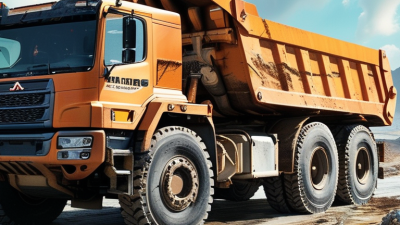
Heavy-duty hauling depends on more than payload: a truck must combine traction, usable engine power, and a chassis suited to repeated loaded trips. The X3s dump truck uses a 6×4 drive configuration, with six driven wheels to support traction on demanding work routes. Its 385-hp engine and 10-tyre setup are specified for 50-ton-class hauling, making it a practical option for moving substantial loads between work areas and unloading points. Eurostat’s *Freight transport statistics* for 2022 report that road transport accounted for about 77.8% of freight movement within the EU, measured in tonne-kilometres—a reminder of the central role road vehicles play in freight operations.

The X3s chassis provides the platform for this heavy-duty configuration, while the 50-ton-class capacity can help operators plan high-volume hauling tasks. The truck is brand new and is not equipped with a new-energy power source. For fleet presentation or site requirements, its exterior is available in customizable colors. Together, its 6×4 layout, 385-hp engine, and ten tyres define a specification focused on carrying heavy loads in demanding hauling applications.

FAQS

What information should I gather before comparing tractor trucks?

Record typical and peak payloads, trailer types, daily mileage, and weekly departures. Peak loads can expose a truck that is too small.

Which route details affect truck configuration?

Note steep grades, tight yards, long idle periods, winter conditions, and overnight returns. These details influence power, axles, fuel capacity, and cab needs.

How can drivers assess safety and comfort?

Have drivers check visibility, mirrors, camera clarity, seat adjustment, blind spots, and braking response. Test it loaded. A short drive may not reveal fatigue after eight hours.

What comfort features matter on long shifts?

Adjustable lumbar support, low cabin noise, and reachable controls can help. Preferences vary, though; the people driving should weigh in.

How should I compare maintenance requirements?

Review service intervals, parts access, inspection time, and likely downtime. Ask a technician to check wear points. Keep a repair log.

What documents should I verify before buying?

Request the vehicle-specific build sheet, emissions documents, inspection records, and open-recall status. Compare them with current local requirements. Keep copies.

How can dealer support affect operating costs?

Get warranty procedures, diagnostic support, parts access, response times, and labor rates in writing. A distant service point may add downtime.

How should I estimate operating costs and resale value?

Compare fuel use, repairs, mileage, engine hours, maintenance history, and similar used-truck prices. Treat residual estimates as a range, not a promise. Forecasts still miss.

Conclusion

Choosing the best Tractor Truck begins with a clear understanding of your business’s hauling needs, including typical cargo, load sizes, travel distances, and road conditions. Match the truck’s configuration to the work it will perform, then compare engine, transmission, and axle options for suitable power, handling, and fuel efficiency. A truck designed for your usual routes and cargo can help support reliable, productive operations.

Look beyond performance to assess safety features, driver comfort, maintenance needs, and service accessibility. Estimate the total cost of ownership by considering purchase price, fuel, routine upkeep, repairs, and expected operating life. Before making a decision, confirm that the vehicle meets applicable requirements for your intended use, review the dealer’s support and parts availability, and consider its likely resale value. Balancing these factors will help you choose a truck that fits both your current needs and long-term business plans.


Ethan

Ethan

Ethan is a seasoned marketing professional with extensive experience in the heavy-duty truck industry. Known for his deep understanding of manufacturing craftsmanship and advanced technology, he plays a pivotal role in promoting his company’s core business. With over 50 years of industry expertise......
Previous Why Choose a Truck Car for Global Sourcing?