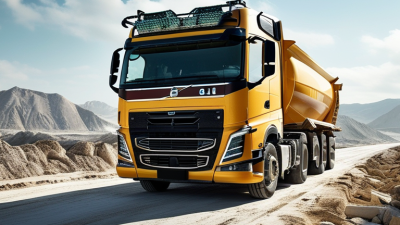
Picking the right heavy dump truck can make a huge difference in how smoothly your operations run. Did you know that the global dump truck market is expected to hit around $16.4 billion by 2025? That’s based on a recent report from Market Research Future. It really shows just how much demand there is for versatile and dependable equipment, especially in industries like construction and mining. But with so many models out there, honestly, it can feel pretty overwhelming trying to figure out which one is best for you.
When you're choosing, think about things like how much weight the truck can carry (that's payload capacity), how fuel-efficient it is, and whether it can handle different terrains. For example, the SAGMOTO E3 6×6 Heavy-Duty for Light Dump Truck has some pretty impressive features suited for tougher jobs. People who’ve used it say the 6×6 setup gives better stability on rough ground, but some have mentioned it might be a bit tricky to maneuver in tight city streets. So, finding that sweet spot between enough capacity and good maneuverability is really key.
Figuring out exactly what you need is super important. Not every heavy dump truck will fit every job — you’ve gotta evaluate the specs and see how they match your requirements. Doing this can also help you learn what features really matter for your specific projects. Taking the time to do a proper assessment means you’re more likely to make a smart investment in a truck that actually satisfies your needs — instead of ending up with something that doesn’t quite cut it.
Understanding Your Hauling Requirements for a Heavy Dump Truck
When selecting a heavy dump truck, it’s crucial to understand your specific hauling requirements. The weight capacity you need will greatly influence your choice. Consider how much material you’ll transport regularly. Is it dirt, gravel, or something heavier? Each material has different weight considerations that impact your decision. An accurate assessment of your typical loads will help determine the correct truck specifications.
Also, think about the type of terrain the truck will navigate. Will you operate in rugged, off-road conditions, or mainly on highways? This will help you select a Dump Truck Heavy Duty that can handle such environments with ease. Pay attention to the truck's clearance and stability. Additionally, evaluate the overall durability and maintenance needs. Choosing a heavy dump truck is not just about capacity; it's about reliability and long-term performance.
Don't overlook licensing and regulatory requirements related to heavy vehicles. These can differ based on your location and usage. A well-informed choice considers all angles, including potential challenges in operation. Sometimes, what seems ideal may not align with practical needs. Reflecting on past equipment performance can shed light on future purchases.
Heavy Dump Truck Load Capacity Comparison
This chart compares the load capacity of various heavy dump truck models. Understanding your hauling requirements is crucial for selecting the best dump truck suited for your needs.
Types of Heavy Dump Trucks: Insights on Different Models and Features
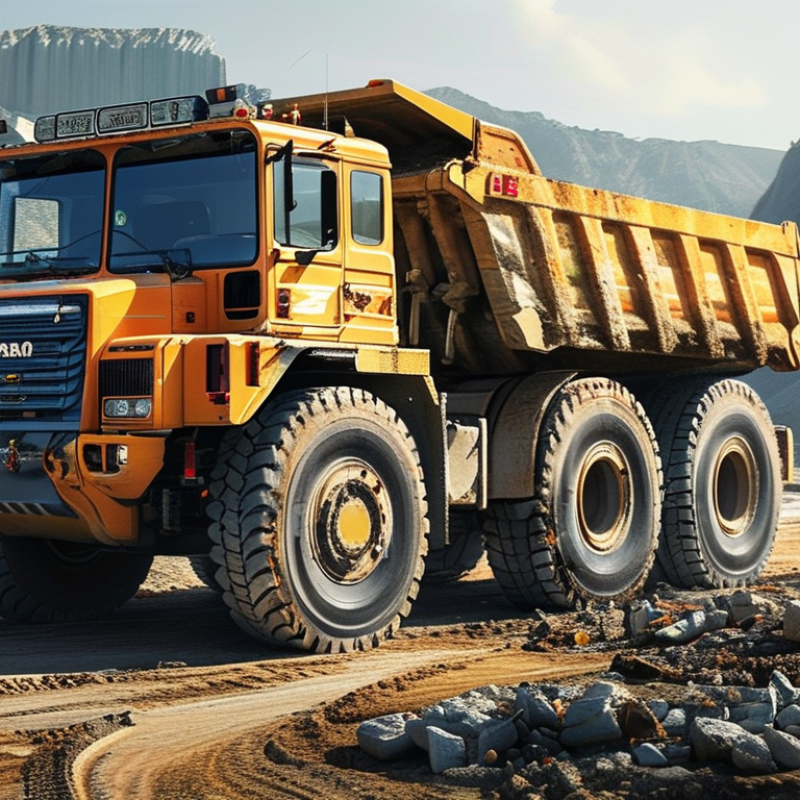
When choosing a heavy dump truck, understanding the different types available is crucial. There are three main categories: articulating, rigid, and dump trailers. Articulating dump trucks have a pivot point, enhancing maneuverability on rugged terrains. This makes them suitable for construction sites with tight spaces. Rigid dump trucks offer high load capacity, suitable for mining operations. They excel in stability and strength, making them reliable for heavy-duty tasks.
Features to consider include load capacity, engine power, and braking systems. Many models come with advanced technology such as GPS systems for efficient routing. Some trucks feature automated tailgates for smoother unloading processes. However, finding the perfect model can be challenging. It’s essential to balance between cost and capabilities. Some trucks may seem promising but lack durability. Research is necessary to avoid regret later.
Different builds cater to specific industries. Be mindful of your requirements and operational conditions. A truck that performs well in one environment may not succeed in another. Consider factors like terrain type and average load when selecting a model for your needs. Regular assessments of truck performance can lead to better choices in the future.
Key Specifications to Consider When Choosing a Dump Truck
When selecting a heavy dump truck, understanding key specifications is crucial. Weight capacity is often the first consideration. You need to know the maximum weight the truck can carry. Most heavy dump trucks have capacities ranging from 10 to 40 tons. This directly impacts the jobs you can handle efficiently.
Engine power is another vital specification. A truck with a powerful engine can navigate tougher terrains. Look for indicators like horsepower and torque. These figures reveal how well the truck can perform under load.
Fuel efficiency is worth considering as well. A truck that burns less fuel can save you money in the long term. But, be mindful that more efficient options may come at a higher upfront cost.
Evaluate each feature based on your specific needs. What works for one construction site may not be ideal for another. Assessing terrain, load demands, and budget constraints can lead to better choices. Every specification is interconnected, and one oversight can affect performance. Make sure to reflect on these elements before making a decision.
Evaluating Engine Power and Fuel Efficiency for Heavy Duty Trucks
When considering a Heavy Dump Truck, engine power and fuel efficiency are vital factors. Engine power affects hauling capabilities, especially under challenging conditions. A robust engine ensures that the truck can transport large loads effectively, which is crucial for industries like construction and mining. However, a powerful engine often consumes more fuel, leading to higher operational costs.
Fuel efficiency is equally important. It directly impacts the overall cost of ownership. A truck with better fuel economy will save money over time, even if its initial cost is higher. Evaluating power-to-weight ratio helps in understanding how efficiently the truck can perform. By examining engine specifications, you can find a balance between power and efficiency.
Choosing the right Heavy Dump Truck involves trade-offs. While more power can handle tougher jobs, it might lead to regrets later due to fuel costs. Reflect on your needs. Conduct research and perhaps consult with industry experts to make an informed decision. Consider not just immediate requirements, but also long-term costs associated with fuel consumption.
Assessing Payload Capacity and Load Distribution for Optimal Performance
When choosing a Heavy Dump truck, understanding payload capacity and load distribution is crucial. Payload capacity refers to the maximum weight a truck can safely carry. It directly affects the efficiency and performance of the vehicle. Overloading can lead to issues like tire blowouts or increased wear on the truck's components. Therefore, knowing your operational requirements is essential to determine the right capacity.
Load distribution is equally significant. It affects how weight is spread across the truck's axles. An uneven load can cause handling problems. This can lead to accidents or increased maintenance costs. Ideally, weight should be balanced, ensuring better stability and handling on various terrains. If you often transport heavy materials, assess how the weight sits in your truck. Consider the design of the truck bed as well.
Being aware of common mistakes can also guide you. Many choose a truck based solely on price or appearance. Quality and performance often matter more. Consider consulting industry experts or reading reviews. Their insights can lead you to make a more informed decision when selecting a heavy dump truck for your needs. Prioritizing payload capacity and load distribution will yield better long-term results.
Safety Features and Technology in Modern Heavy Dump Trucks
When selecting a heavy dump truck, safety features and cutting-edge technology are paramount. Modern heavy dump trucks are equipped with advanced safety systems. For instance, many trucks include collision avoidance technologies. These systems can reduce the risk of accidents on job sites. A recent report indicates that trucks with these features can lower accident rates by up to 30%.
The integration of telematics is another critical advancement in heavy dump trucks. Telematics systems provide real-time data on vehicle performance. They help monitor the driver’s behaviors, including speed and braking patterns. This data can empower fleet managers to ensure safety protocols are followed. Additionally, ergonomic designs combined with these technologies enhance driver comfort. A comfortable driver is typically more focused and less prone to errors.
Furthermore, checkpoints must be established to ensure compliance with safety standards. While many trucks come with safety features, not all are created equal. It is essential to evaluate the effectiveness of these features in real-world conditions. Regular training and assessments are also necessary to understand the technology fully. Investing in a heavy dump truck that meets these criteria can significantly impact job site safety and operational efficiency.
Costs and Financing Options for Purchasing a Heavy Dump Truck
When considering the purchase of a heavy dump truck, understanding costs and financing options is crucial. Heavy dump trucks can range from $30,000 to over $200,000, depending on brand and specifications. The more features you need, the higher the price. Key factors include truck capacity, engine size, and additional technology. Each of these can significantly impact the total cost.
Financing options vary widely. Many buyers opt for loans or leases. A good credit score can make securing financing easier and more affordable. It’s important to explore interest rates. Also, consider the loan term. A longer term means lower monthly payments but may lead to higher overall costs due to interest accrual. It might feel tempting to choose the lowest monthly payment, but this could mean paying more in the long run.
Be aware of hidden costs. Insurance, maintenance, and operation fees can add up quickly. Regular maintenance should not be overlooked; it’s essential for longevity and reliability. Reflect on whether your business can support such a significant investment. Investing in a heavy dump truck can prove beneficial, but it's important to weigh all financial implications carefully.
Leveraging Advanced Engineering: The SHACMAN H3000 6×4 Dump Truck’s Role in Enhancing Construction Efficiency and Cost-Effectiveness
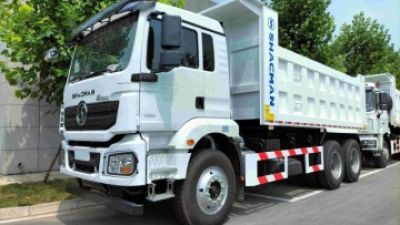
The construction industry is constantly evolving, and advanced engineering plays a crucial role in driving efficiency and cost-effectiveness. One notable example is the H3000 6×4 dump truck, which exemplifies how modern machinery can streamline construction operations. Equipped with a powerful 430HP engine, this truck is optimized for heavy-duty tasks, making it an ideal choice for large-scale projects. According to recent industry reports, the effectiveness of construction equipment significantly influences project timelines and budgets, with high-performance vehicles reducing labor costs by up to 30%.
The H3000 is designed with a robust chassis and an efficient 6×4 driving type, ensuring stability and traction even in challenging conditions. The capability to carry heavy loads is further enhanced by its unique configuration, allowing for better distribution of weight across its 11 tyres. The importance of tire quality and quantity cannot be overstated, as it directly impacts the vehicle's performance and safety on construction sites. A study from the American Society of Civil Engineers indicates that the right equipment configuration can improve worksite safety by 25%, emphasizing the role of vehicles like the H3000 in modern construction.
Moreover, the H3000 stands out with its customizable color options, catering to diverse branding needs of construction firms. This not only enhances visibility on work sites but also aligns with companies' identity strategies. As the industry moves towards greater efficiency, integrating advanced engineering solutions like the H3000 dump truck proves essential in maintaining competitiveness and achieving cost savings, ultimately reshaping the landscape of construction operations.
FAQS
: Understand how much material you transport. Different materials have different weight impacts. Accurate load assessment is vital.
If you work off-road, choose a truck suited for rugged terrain. Highways require different specifications than rough landscapes.
A powerful engine enables better navigation in tough terrains. Look for horsepower and torque ratings to gauge performance.
Fuel-efficient trucks can save money over time, but they might cost more upfront. Balance efficiency with your budget requirements.
Modern trucks have advanced safety systems. Collision avoidance technology can significantly reduce accident rates on job sites.
Telematics provides real-time performance data. It helps monitor driving behavior and improves safety by ensuring protocol compliance.
Yes, ergonomic designs enhance driver focus. Comfortable drivers are typically more attentive and make fewer mistakes.
Reflecting on previous experiences can inform better decisions. Not all ideal options meet practical needs in current projects.
Licensing requirements differ by location and usage. Ensure compliance to avoid future operational challenges.
Each feature interconnects. Overlooking one can affect overall performance. Make informed choices based on your specific needs.
Conclusion
When selecting the best Heavy Dump Truck for your needs, it is crucial to first understand your specific hauling requirements. This involves evaluating the types of materials you will transport and the typical load sizes. Familiarizing yourself with different models and their features can also help you make an informed choice, as various heavy dump trucks come with unique capabilities suited for different tasks.
Key specifications, such as engine power and fuel efficiency, are essential for heavy-duty operations. Additionally, assessing payload capacity and ensuring proper load distribution will optimize the truck's performance. Modern heavy dump trucks also incorporate advanced safety features and technology, enhancing operation safety. Lastly, understanding the costs associated with purchasing and available financing options will aid in making a wise investment in a Heavy Dump Truck that meets your needs effectively.

 +86 15596887398