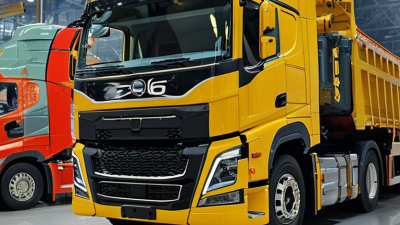
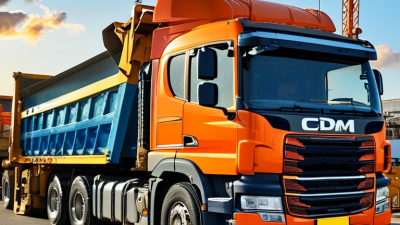
In the world of construction and logistics these days, picking the right tipper vehicle is super important. According to a report from Market Research Future, the global market for these trucks is forecasted to hit around $9.05 billion by 2025. That really highlights how crucial it is to make smart choices when you're buying one. Industry pro Jake Thompson from Heavy Vehicle Insights puts it simply: “Getting the right tipper vehicle can really make or break your efficiency out there.”
When you're deciding, there are a few key things to keep in mind. Things like payload capacity, size, and how well the vehicle handles different terrains are all big deals. Because, honestly, the right pick can boost your productivity and save you money in the long run. Unfortunately, a lot of folks tend to skip some of that vital research, and that often leads to costly mistakes. If you choose the wrong vehicle, you might end up facing higher repair bills or frustrating delays.
So, take your time and do your homework. Chatting with industry insiders can give you some real nuggets of advice. Remember, making an uninformed choice can seriously affect your operations down the line. With so many options out there, figuring out exactly what you need is the best way to land the perfect tipper vehicle—one that works for your success story.
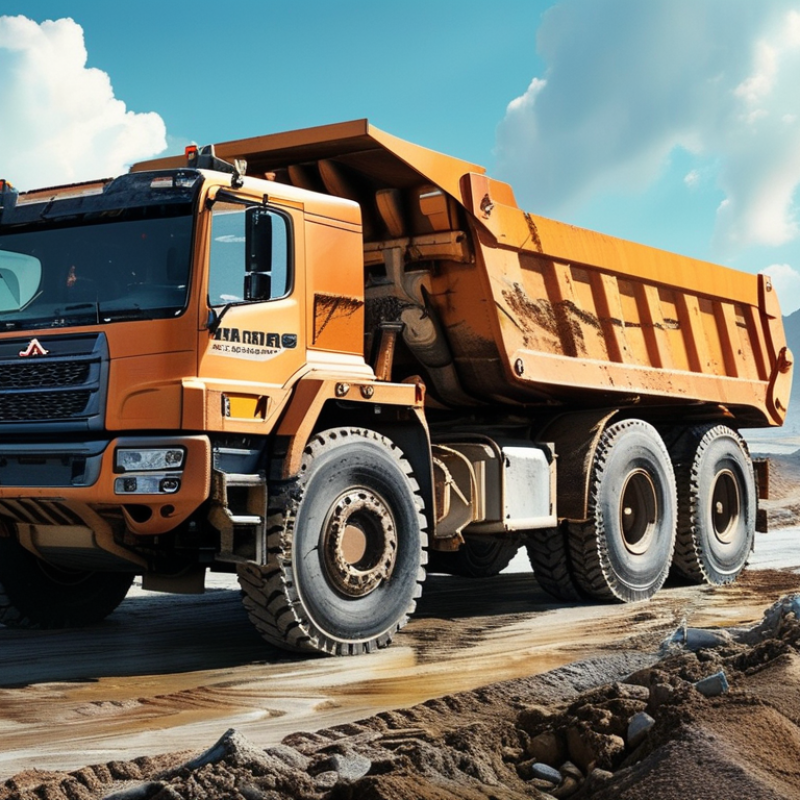
Understanding Tipper Vehicles and Their Purpose
Tipper vehicles play a vital role in various industries, especially in construction and transportation. Defined by their unique design, these vehicles are built to transport loose materials like sand, gravel, or demolition waste. The tipping mechanism allows for efficient unloading, which saves time on job sites. This efficiency has made them indispensable for contractors and construction firms.
When considering a tipper vehicle, one must assess specific needs. Are you hauling heavy materials daily? A powerful truck with a robust payload capacity is crucial. For smaller projects, compact tippers can be efficient and cost-effective. According to a recent industry report, truck operators save up to 25% in time with automatic tipping systems compared to manual unloading processes.
Tipper Truck Prices vary significantly based on specifications and features. Understanding local needs can further influence these costs. The ongoing rise in construction demands has also led to a fluctuation in vehicle prices. Many operators report that investing in higher-quality tippers yields better long-term value. The decision-making process involves not just immediate costs, but also maintenance and operational efficiency.
Key Factors to Consider When Choosing a Tipper Vehicle
Selecting the right tipper vehicle involves several key factors. Understanding your needs is crucial. Tipper Truck Capacity is one of the primary considerations. A vehicle with inadequate capacity may limit your operation efficiency. For instance, reports indicate that most construction sites require vehicles with at least 7 to 10 tons capacity. This range can significantly impact your logistics and operational schedules.
Another essential factor is the terrain where the tipper will operate. Different terrains demand varied features. For instance, a tipper used in urban areas might need a more compact design. In contrast, construction sites in rural settings may require robust off-road features. Industry data suggests that vehicles with 4x4 capabilities perform better on uneven terrains. An inability to navigate challenging landscapes can lead to delays and increased costs.
Maintenance and reliability should not be overlooked. Selecting a vehicle with easily accessible parts is vital for reducing downtime. Research indicates that regular maintenance can prolong the lifespan of a tipper vehicle. However, routine checks often get neglected due to time constraints. This oversight can lead to significant repair costs in the long run. Balancing tipper truck capacity with maintenance needs is essential for sustained productivity.
Types of Tipper Vehicles: Differences and Uses
When choosing a tipper vehicle, understanding the types and their uses is crucial. Tipper vehicles come in various forms. The most common types include light-duty, medium-duty, and heavy-duty tippers. Each type serves different purposes based on loading capacity and the nature of the materials transported.
Light-duty tippers are ideal for smaller loads. They are perfect for urban settings. Contractors often prefer them for landscaping jobs. In contrast, medium-duty tippers can carry heavier loads. These vehicles fit well in construction and roadwork applications.
Heavy-duty tippers, such as Tipper Tractors, dominate the construction industry. They handle massive loads and harsh conditions. However, their operating costs can be high. Maintenance is vital. Neglecting it can lead to costly repairs.
Tips: Assess the load requirements before making a decision. Understand the terrain your vehicle will navigate. Safety features are equally important; ensure those are adequate for your needs. Balancing cost and function can be challenging. Make sure to think critically about your choices.
Assessing Load Capacity and Power Requirements
When choosing a tipper vehicle, understanding load capacity is crucial. Load capacity refers to the maximum weight your vehicle can safely carry. This number varies between vehicle designs. A smaller truck may handle 1 ton, while larger options can accommodate 10 tons or more. Knowing your typical payload helps you avoid overloading, which can damage your vehicle or lead to accidents.
Power requirements are another key consideration. The engine must match the load capacity. A vehicle with low horsepower may struggle under heavy loads. Conversely, excessive power for small loads can be wasteful and costly. An optimal balance ensures efficiency and longevity. Additionally, think about terrain. Steeper or rougher landscapes need more torque and power.
Ultimately, there is no one-size-fits-all solution. Each job’s unique needs can challenge your choices. Some users find their vehicle struggles on inclines, despite meeting specifications. Regular feedback helps in adjusting your choice. Engage with fellow operators to gather insights and experiences. This helps refine your decision-making process.
Evaluating Fuel Efficiency and Operating Costs
When selecting a tipper vehicle, fuel efficiency is a major factor. According to the American Transportation Research Institute, fuel costs account for around 30% of the total operating expenses for commercial vehicles. Understanding this percentage can influence your choice significantly. For instance, a vehicle with a higher fuel efficiency can save hundreds, if not thousands, in fuel costs over its lifecycle.
Operating costs extend beyond just fuel. Maintenance and insurance also play crucial roles. Studies show that for every dollar spent on fuel, companies spend nearly 0.25 in maintenance. Tippers with simpler designs tend to have lower maintenance costs. This means selecting a vehicle with fewer complex components could mitigate long-term expenses.
Many potential buyers overlook these calculations. A tempting price tag can lead to regret after a few months of high operating costs. It’s essential to conduct thorough research and analysis. Collect data on expected mileage, maintenance schedules, and typical insurance rates in your region. This can help you make a more informed decision.
Safety Features and Regulations for Tipper Vehicles
When it comes to tipper vehicles, safety is paramount. Regulations are in place to ensure the safety of both operators and the public. According to the National Highway Traffic Safety Administration (NHTSA), around 30% of vehicle accidents involve trucks. Ensuring your Tractor Tipper meets the latest safety standards is essential. Regular inspections are key. They help identify issues before they become severe.
Tips: Always check the weight capacity of your tractor tipper. This guarantees safer operation and helps prevent accidents. Understand local regulations. Certain areas impose specific requirements for tipper vehicles, including signage and lighting.
Safety features in tipper vehicles often include anti-lock braking systems and stability controls. These systems enhance control during heavy loads. Research shows that vehicles equipped with advanced safety technology can reduce crash rates by up to 20%. However, some vehicles still lack these essential features. Regular maintenance plays a crucial role in keeping these systems functional.
Tips: Create a maintenance schedule for your tractor tipper. This practice ensures safety features are always in working order. Remember, a well-maintained vehicle is a safer vehicle. Investing time in these details ultimately saves lives.
Maintenance and Longevity of Tipper Vehicles
Maintaining a tipper vehicle requires regular attention to ensure its longevity. Check the hydraulic system frequently. Leaks can lead to costly repairs and downtime. Examine the tipping mechanism; any odd sounds during operation could indicate wear and tear. Regular lubrication of moving parts is crucial. This simple step can significantly extend the life of the system.
Inspect tires routinely for wear and proper inflation. Uneven wear may signal underlying issues with alignment or weight distribution. Additionally, monitor the vehicle's overall condition. Rust and corrosion can compromise structural integrity. A thorough wash after transport can help prevent buildup and extend paint life.
Record maintenance tasks and schedules to stay organized. Neglecting even minor issues can escalate into major problems. Make time for inspections; they save money in the long run. Longevity isn't just about the vehicle’s lifespan; it's about efficient operation too. Reflecting on maintenance practices can uncover areas for improvement.
Setting New Standards in Urban Cleanliness: The SHACMAN L3000 4×2 10-Cubic-Meter Sweeping Vehicle and Its Impact on City Hygiene Efficiency
In the pursuit of enhancing urban cleanliness and hygiene, the introduction of the latest sweeping vehicle marks a significant step forward. Designed to meet the rigorous demands of city maintenance, this vehicle features an efficient powertrain that excels in diverse operating scenarios. Its robust engine combined with an 8-speed transmission ensures excellent performance on urban roads while maintaining the capability to tackle more challenging environments. With a substantial 10-cubic-meter capacity, the vehicle is more than equipped to manage tasks across municipal sanitation, landscaping, and dust suppression in construction sites, seamlessly handling various terrains and conditions.
A standout feature of this innovative vehicle is its large-capacity tank crafted from high-quality materials, ensuring durability and zero leakage. The tank's 4mm thick construction, formed through an advanced automated welding process and reinforced with a dual support system, guarantees unmatched sealing efficiency. Equipped with multifunctional devices, including front flushing and side spraying systems, this vehicle epitomizes functionality and effectiveness in urban cleaning operations. The self-suction and self-discharge capabilities enhance its efficiency further, making it an indispensable tool for city maintenance.
Moreover, the driver's cabin has been thoughtfully designed for comfort and safety, featuring air conditioning, adjustable windows, and hydraulic seats that provide relief during long hours of operation. Coupled with advanced braking and suspension systems, as well as LED lighting for visibility, this vehicle prioritizes the well-being of its operator while ensuring safe operation. Tailored options for different regional regulations further demonstrate its versatility in meeting the diverse needs of urban environments across the globe.
FAQS
: Load capacity is the maximum weight a vehicle can safely carry. It varies by vehicle design.
Knowing the load capacity helps avoid overloading, which can damage the vehicle and cause accidents.
The engine's power should match the load capacity. Low horsepower may struggle, and excessive power can be wasteful.
Steeper or rough terrain requires more torque and power. Consider your typical driving conditions.
Fuel efficiency significantly affects expenses. It accounts for around 30% of total costs for commercial vehicles.
Maintenance and insurance also contribute to costs. Simpler vehicles usually incur lower maintenance expenses.
Many overlook long-term costs in favor of low purchase prices. This often leads to regret later on.
Conduct thorough research on mileage, maintenance, and insurance rates to avoid costly surprises.
Yes, some users report struggles on inclines despite meeting specifications. Regular feedback is vital for adjustments.
Engage with other operators to gather their experiences and insights. It can help refine your choices.
Conclusion
The article "Ultimate Guide to Choosing the Right Tipper Vehicle for Your Needs" provides a comprehensive overview of tipper vehicles and their essential roles in various industries. It begins by explaining the fundamental purpose of tipper vehicles, which are designed to transport and unload materials efficiently. Key factors outlined for consideration include load capacity, power requirements, and the specific types of tipper vehicles available, each suited for different tasks.
Additionally, the guide emphasizes the importance of evaluating fuel efficiency and operating costs, alongside safety features and compliance with regulations. It also addresses the maintenance and longevity of tipper vehicles to ensure reliable performance over time. By understanding these aspects, readers can make informed decisions when selecting a tipper vehicle that best meets their operational needs.

 +86 15596887398