Choosing the right carrying truck can really make a difference for your business’s efficiency. When you pick a good one, it can boost your logistics and operations—that’s a huge plus. Whether you're hauling goods or equipment, having the right truck means safer, more reliable transportation. It’s not just about the specs; it’s about fitting your needs. Think about what kind of cargo you'll be carrying and how much weight you need to move — those details really matter. Take some time to check out what's out there on the market. Some options might look tempting, but don’t forget to look into how they perform in real life—that’s the real test. If possible, chat with experts or people who know the ropes. Their advice can save you from making costly mistakes. Remember to focus on quality and practicality rather than just how fancy it looks. A well-informed choice can set you up for success. In the end, investing in the right carrying truck isn't just a purchase — it’s a critical step toward keeping your business running smoothly.
Understanding the Different Types of Carrying Trucks Available
When selecting a carrying truck, it's essential to understand the different types available. There are several categories, each designed for specific tasks. Light-duty trucks are ideal for small loads and urban driving. They often have better fuel efficiency, making them a cost-effective choice for city dwellers. However, their hauling capacity is limited, so they may not suit everyone.
Medium-duty trucks offer more power and cargo space. They are perfect for businesses that require regular transport of goods. These trucks can typically carry heavier loads than light-duty ones. But they may come with higher operating costs, including fuel and maintenance. It’s essential to assess your specific needs before deciding.
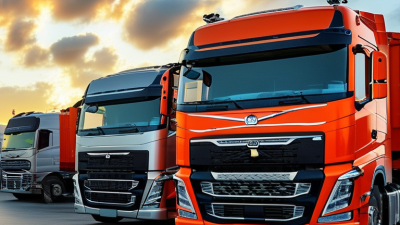
Heavy-duty trucks are designed for the toughest jobs. They can haul large loads over long distances. Their robust build provides durability and reliability. However, they may be challenging to maneuver in tight spaces. Choosing the right type requires careful consideration of your requirements. Reflecting on past experiences can help identify what works best for your situation. Balancing cost, capacity, and convenience is crucial in this decision-making process.
Assessing Your Carrying Capacity Needs for a Truck
Assessing your carrying capacity needs for a truck is crucial for effective transportation. Understanding your payload requirements can prevent costly mistakes. According to the American Trucking Association, the average truck carries about 26,000 pounds. However, your needs may vary. Consider what you will transport. Are you moving light materials or heavy equipment?
Measure the volume of items too. A standard truck bed is around 6 to 8 feet long. For bulk items like furniture, cubic feet matter. You might find that a truck with a 1,500-pound payload isn't sufficient. It’s vital to consider the total weight, including any accessories or equipment loaded onto the truck.
It's also worthwhile to assess the truck’s design. A flatbed may cater to different needs than a box truck. Each design has its limitations. A well-informed choice aligns with your specific carrying needs. Industry data shows that about 30% of small business owners underestimate their required carrying capacity. Being aware of this can help you avoid operational inefficiencies.
Key Features to Consider When Choosing a Carrying Truck
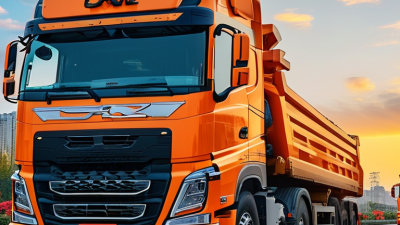
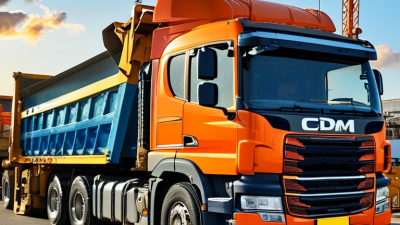
When selecting a carrying truck, one vital aspect is payload capacity. Depending on the type of project, a capacity of 10 to 15 tons may be required. According to industry reports, a dump truck with a lower capacity may not meet heavy-duty needs, leading to inefficiencies. It’s essential to match the truck’s capacity with your operational demands.
Another critical factor is the truck's materials and construction. Steel bodies provide durability but come at a higher cost. In contrast, aluminum trucks are lighter but may not withstand heavy loads as effectively. Research from the National Truck Equipment Association indicates that the choice between these materials can significantly impact maintenance costs and lifespan. Consider the frequency of use and the types of materials typically transported.
Fuel efficiency is also a key consideration. Many sectors are shifting towards more sustainable practices, and investing in a fuel-efficient dump truck can reduce long-term operational costs. Some studies show that trucks with better fuel economy can save up to 15% in costs annually. This transition may require upfront investment but can yield substantial returns. Reflect on the type of jobs you'll undertake. A more efficient truck may sometimes be less powerful, which can be a trade-off worth considering.
Evaluating the Fuel Efficiency and Operating Costs of Trucks
Evaluating the fuel efficiency and operating costs of trucks is crucial when making a purchase. Many potential buyers underestimate these factors. Fuel efficiency directly impacts your overall operating expenses. A truck with better mileage can save thousands over time. Don't ignore the power of a well-designed engine.
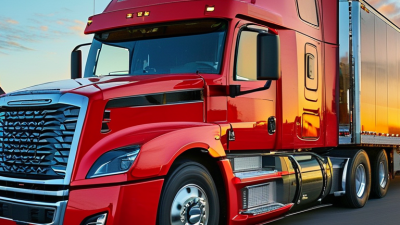
When assessing a truck, check its specifications. Look for a Tractor Truck Tractor Truck model that boasts advanced fuel-saving technologies. These innovations can help minimize environmental impact while keeping costs down. Compare the fuel economy ratings of similar trucks. Make sure to calculate the potential savings over the lifespan of the vehicle.
Consider maintenance costs as well. Some trucks may have lower fuel consumption but higher service costs. This is where wise choices matter. Failure to account for maintenance can lead to unintended expenses. Regularly updating your knowledge about industry standards helps in making informed decisions. Look for resources that provide insights into the long-term costs associated with ownership to avoid surprises.
Fuel Efficiency and Operating Costs of Different Truck Types
Safety Features and Regulations for Carrying Trucks
Choosing the right carrying truck involves understanding safety features and regulations. Safety should be your top priority. Consider trucks equipped with anti-lock brakes and stability control. These features help prevent accidents during sudden maneuvers. Next, look for trucks with reinforced cabins. They can significantly increase driver protection during collisions.
Regulations are crucial. Different regions have specific standards for carrying trucks. Ensure that the truck complies with local safety regulations. Check if it passes emission tests and has an up-to-date safety inspection. Always ask for compliance documentation. This ensures you won’t face penalties later.
Evaluate the requirements for transporting goods. Some loads may require special permits. Understanding weight limits is essential too. Overloading can lead to serious accidents. Remember, safety features are only effective if maintained properly. Regular inspections can reveal hidden issues. Consider both immediate and long-term safety needs when choosing your truck.
Budgeting for Your Carrying Truck Purchase or Lease
When considering the purchase or lease of a carrying truck, budgeting is crucial. Start by assessing your financial situation. According to a recent industry report, around 30% of small businesses struggle with budgeting for such investments. This understanding can inform your decisions. Determine what percentage of your budget can be allocated for a carrying truck. Doing this will help prevent financial strain in the long term.
Consider additional costs like insurance, fuel, and maintenance. These expenses can add up quickly. The Transportation Research Board indicates that operating costs can reach up to 50 cents per mile. Ensure you factor in these aspects to avoid surprises. A detailed, realistic budget will help you choose the right vehicle without overspending.
Evaluate different financing options. Leasing may provide lower monthly payments, but owning a truck, “Truck On Truck,” can be more beneficial in the long run. Weigh the pros and cons of each option. Also, keep an eye on your cash flow. It's often the pressure of ongoing bills that leads to hasty purchasing decisions. A thoughtful approach will lead to better outcomes.
Essential Tips for Choosing the Right Carrying Truck
| Feature |
Importance |
Budget Consideration ($) |
| Load Capacity |
High |
5000 - 15000 |
| Fuel Efficiency |
Medium |
2000 - 5000 |
| Maintenance Costs |
High |
1500 - 3000 annually |
| Insurance Costs |
Medium |
1200 - 2500 annually |
| Resale Value |
Low |
Depreciation Factors |
| Comfort & Convenience Features |
Medium |
500 - 3000 |
Maintenance and Longevity: Choosing a Durable Carrying Truck
When selecting a new carrying truck, durability is a top consideration. A truck’s material affects its lifespan and performance. Look for options made from high-strength steel or aluminum. These materials often provide a better weight-to-strength ratio. Consider factors such as rust resistance and whether the truck can withstand heavy loads. Inspect the construction for quality welds and reinforced areas. These details can significantly impact longevity.
Regular maintenance plays a crucial role in ensuring your new carrying truck stays in good condition. Routine checks for tire pressure, brake functionality, and electrics can prevent more significant issues. Don’t overlook the importance of cleaning and properly storing your truck to avoid corrosion. It’s easy to neglect minor dents or scratches, but they can worsen over time. Reflect on your maintenance habits to avoid costly repairs later.
Investing time in selecting a durable truck can prove invaluable. A well-maintained carrying truck serves you longer and saves money. Evaluate your choices carefully, considering all factors that affect performance and longevity. Your new carrying truck should meet your needs while standing the test of time.
Optimizing Efficiency and Performance: The Essential Features of the SHACMAN L3000 4X2 Tank Truck
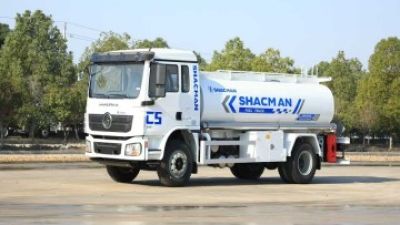
The SHACMAN L3000 4X2 tank truck is an exemplary model that revolutionizes efficiency and performance in transportation. Built on a sturdy chassis designed for strength and durability, the L3000 features a reliable driving type of 4×2, ensuring a seamless and stable driving experience. With a powerful 185HP engine, this truck can tackle various terrains while maintaining optimal performance levels.
One of the standout features of the L3000 is its ability to handle substantial loads, boasting a loading capacity of 12-15m³. This capability is crucial for industries requiring efficient bulk transport, such as agriculture, construction, and logistics. In a market where operational efficiency can dictate profitability, the L3000 provides the right balance of power and capacity. Furthermore, the truck is equipped with six tyres, enhancing stability and traction on diverse road conditions, addressing common vehicular challenges faced by operators.
The SHACMAN L3000 also offers customization in color, allowing businesses to project their brand identity while meeting operational needs. As companies prioritize sustainability, the lack of new energy sources in this model underscores a focus on traditional powertrains, catering to sectors where such technology remains a staple. With brand-new condition assurance, this truck exemplifies reliability and readiness for immediate deployment, making it an attractive option for fleets aiming to enhance their operational capabilities.
FAQS
: There are light-duty, medium-duty, and heavy-duty trucks available. Each serves different needs and capacities.
They're ideal for small loads and urban driving. They also offer better fuel efficiency.
They provide more power and cargo space, suitable for regular transport of heavier goods.
While they can haul large loads, they can be hard to maneuver in tight spaces.
Determine what portion of your budget can go to the truck. Factor in insurance, fuel, and maintenance costs.
Regular checks on tire pressure and brakes are crucial. Neglecting minor issues can lead to costly repairs.
High-strength steel and aluminum improve lifespan and performance.
Routine cleaning and maintenance are essential to prevent corrosion and more significant issues.
Leasing usually means lower monthly payments but owning may be more beneficial over time.
Operating costs can reach up to 50 cents per mile, so thorough budgeting is vital to avoid surprises.
Conclusion
When choosing the right carrying truck, it is essential to understand the various types available and assess your specific carrying capacity needs. Key features such as size, engine power, and storage options must be carefully considered to ensure you select a truck that meets your requirements. Additionally, evaluating fuel efficiency and operating costs will help you manage long-term expenses effectively.
Safety features and compliance with regulations are crucial when selecting a carrying truck, ensuring both the driver's and cargo's protection. Budgeting for your purchase or lease is also important, as it impacts your overall investment. Finally, prioritizing maintenance and durability will contribute to the longevity of your carrying truck, making it a reliable asset for years to come.

 +86 15596887398