Picking out the right big trucks these days isn’t just about comparing engine sizes, payload capacities, or the fancy tech inside the showroom. It’s way more than that. Buyers around the world have to think about things like duty cycles, road conditions, how easy it is to get fuel, maintenance skills available locally, how to finance the purchase, and even what it’ll be worth when it’s time to sell. For example, a heavy-duty tractor working on Australian highways needs totally different strengths than a construction truck dealing with rough roads in Brazil. Details like that really do matter.
According to the International Energy Agency’s Global EV Outlook 2024, electric trucks are growing fast—especially in China—though diesel trucks still dominate most long-distance routes. Meanwhile, the International Council on Clean Transportation keeps pointing out that heavy-duty vehicles are major contributors to transport emissions. All this suggests the market is shifting, but that doesn’t mean every diesel fleet is just going to disappear overnight. Honestly, that kind of transition can be a bit uncomfortable to face.
Mike Roeth, who’s the Executive Director at the North American Council for Freight Efficiency, puts it simply: “There’s no one-size-fits-all answer for every fleet.” And he’s right. Maybe a Volvo FH is perfect for hauling long distances efficiently, but a Scania R-Series might be better if driver comfort and service coverage are your top priorities. On the other hand, a Kenworth T680 fits well with North American logistics, while a Mercedes-Benz Actros could work better in Europe. But here’s the thing—reputation alone doesn’t guarantee performance. Things like tire wear, how long trucks sit idle, payload efficiency, and how easy it is to get parts locally often quietly influence how profitable a truck really is. This guide aims to compare leading big trucks by those practical details, backed up by industry data and real-world buyer considerations. Of course, some recommendations are still tentative because the “best” truck can change after a tough route, an unexpected breakdown, or new emissions rules. It’s all about being flexible and keeping those factors in mind.”
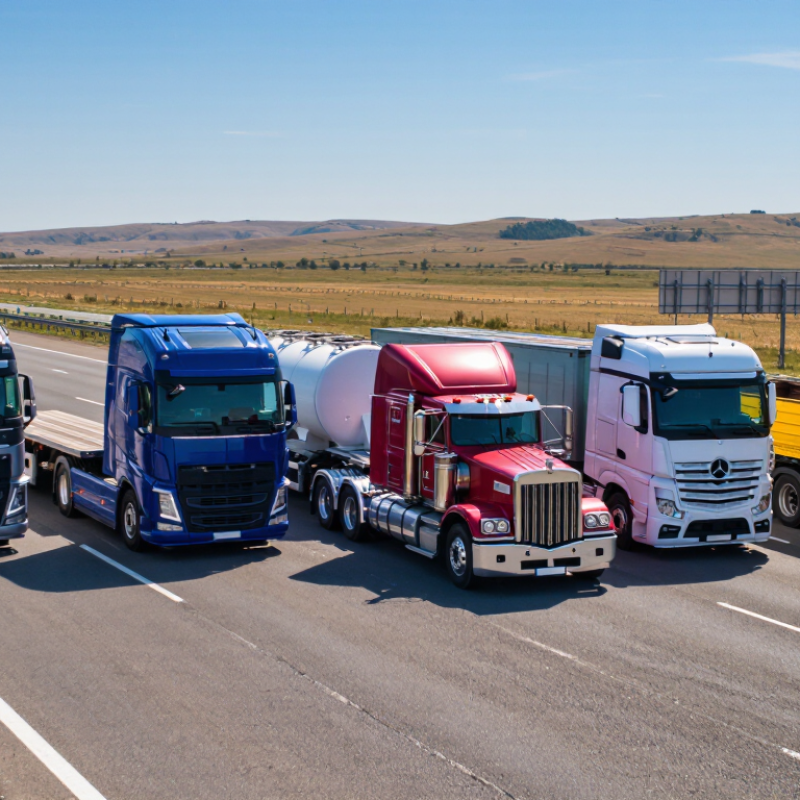
What defines a Big Rig Truck for global buyers? Size alone is a weak answer. A practical definition includes payload, tractor weight, trailer compatibility, axle layout, and operating environment. In North America, “big rig” commonly describes a heavy tractor-trailer combination. Other markets classify vehicles by gross vehicle mass, which can differ significantly. The buyer must check local road limits before comparing specifications.
The International Transport Forum’s Transport Outlook 2023 projects global freight demand could nearly double by 2050. That growth makes efficiency more important than impressive dimensions. The International Energy Agency reports that trucks consume more than three-quarters of global road freight energy. Therefore, aerodynamics, engine efficiency, rolling resistance, and service access deserve close attention. A truck carrying heavy loads through steep terrain needs different gearing from one operating on flat highways. Small details matter.
Cab space matters too. Drivers may spend several nights inside the vehicle. A narrow bunk, poor ventilation, or difficult controls can reduce productivity. In field evaluations, maintenance access often reveals the real quality of a truck. It should be possible to inspect filters, fluids, lights, and brake components without wasting hours. The ideal configuration is not always the largest one. Sometimes, buyers overestimate capacity and underestimate fuel cost. That is an uncomfortable mistake, but it happens. Use regional parts availability, climate data, road conditions, and verified fleet records before choosing a Big Rig Truck.
What Defines a Big Truck for Global Buyers?
Reference: European Union Directive 96/53/EC. Values are maximum permitted gross vehicle weights in metric tonnes for specified configurations.
Top Big Trucks for Global Buyers: Which Should You Choose?
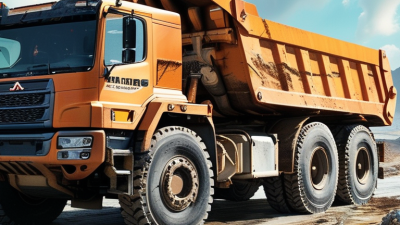
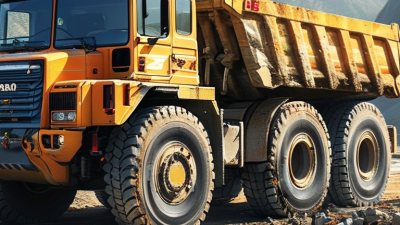
Big trucks serve different jobs, so vehicle categories matter more than impressive engine size. Heavy-duty tractor units suit long-distance freight and pull large trailers across highways. Rigid cargo trucks work well for regional deliveries, especially where narrow streets limit trailer access. Dump trucks carry stone, soil, and construction waste on demanding sites. Their reinforced beds need careful inspection after years of heavy loading.
Concrete mixers support building projects by keeping mixtures moving during transport. Tank trucks handle approved liquid cargo and require strict equipment checks before purchase. Off-road haulers are built for mines, quarries, and rough industrial roads. They usually have higher ground clearance, stronger axles, and slower operating speeds. The right category depends on payload, road quality, distance, and loading equipment.
For buyers comparing Trucks Used Trucks, maintenance records deserve serious attention. Check frame cracks, tire wear, hydraulic leaks, brake response, and cold-start behavior. A clean cab can hide expensive mechanical problems. It happens. Ask for service documents, chassis details, and an independent inspection. I have seen buyers focus on horsepower while overlooking axle ratings and local repair access. That choice often increases downtime. Fuel use, spare-part availability, driver comfort, and regional safety requirements should also guide the final decision. A perfect match is rare, and operating conditions may expose weaknesses after delivery.
When comparing Trucks Semi Trucks, engine power is only the starting point. Horsepower shows speed potential, while torque supports heavy movement at low engine speeds. A 450-horsepower engine may outperform a stronger unit if its transmission and axle ratio match the route. Check peak torque, torque range, and governed speed. Hill work exposes weak matching quickly.
Payload means the legal weight of cargo, passengers, fuel, and equipment. Calculate it as gross vehicle weight rating minus curb weight. Do not trust a rounded brochure figure. The U.S. Department of Energy’s 2023 Vehicle Technologies Market Report places typical highway tractor efficiency near 6 miles per gallon, so unnecessary weight also raises operating costs. A 1,000-pound difference can matter across long annual routes.
Towing capacity requires a stricter check. Use gross combined weight rating minus the actual loaded truck, not the advertised maximum alone. SAE J2807 testing evaluates acceleration, cooling, braking, and grade performance under controlled conditions. That makes its method more useful than a simple showroom claim. The International Energy Agency’s Global Fuel Economy Initiative reporting also identifies heavy trucks as major fuel users worldwide. Real routes remain messier than tests. Wind, altitude, tire pressure, and trailer shape can change results. I would compare three figures: rated payload, tested combined weight, and expected fuel use. A truck that looks powerful may carry less after safety equipment and a full tank are added. That detail is easy to miss.
Choosing a large truck for global work starts with its duty cycle, not its showroom size. A long-haul tractor may save fuel on highways but waste money on steep regional routes. The International Council on Clean Transportation reports that heavy-duty vehicles produce nearly one-quarter of road-transport carbon dioxide emissions worldwide. That makes fuel consumption an operational issue and an environmental one.
Fuel can represent roughly 20–30% of a fleet’s operating cost, according to U.S. Department of Energy fleet guidance. Small differences matter. A truck using 32 liters per 100 kilometers instead of 35 can save about 3,000 liters over 100,000 kilometers. Actual results vary with payload, tire pressure, traffic, and idling. Cold mornings are expensive. I would distrust any comparison using only laboratory figures. Real route trials should record fuel, cargo weight, speed, and idle hours for at least several weeks.
Emissions equipment also affects long-term cost. The ICCT notes that advanced heavy-duty standards can sharply reduce nitrogen oxide and particulate emissions, but maintenance quality remains critical. Cleaner engines may require suitable low-sulfur fuel, trained technicians, and reliable diagnostic tools.
The International Energy Agency identifies freight efficiency and vehicle utilization as major ways to reduce transport energy demand. A smaller engine is not automatically the better choice. Underpowered equipment can consume more fuel on hills, while excessive capacity carries unnecessary weight every day. Buyers should compare total cost per loaded kilometer, including fuel, service, tires, downtime, taxes, and local energy prices. The spreadsheet may still be wrong.
Top Big Trucks for Global Buyers: Which Should You Choose?
Cab design affects control, fatigue, and daily productivity. For Trucks Dump Trucks, buyers should inspect entry steps, handholds, mirror coverage, and floor visibility. A lower step height helps drivers climb safely after long shifts. Adjustable seats should support the lower back and reduce vibration. The International Road Transport Union’s 2023 Driver Shortage Report estimated 3.6 million unfilled truck-driver positions worldwide. Better comfort may help retention, although comfort alone cannot solve training gaps. I have found that small storage details matter. A secure phone shelf can prevent distractions and loose objects.
Safety systems deserve practical testing, not brochure praise. The World Health Organization reported approximately 1.19 million annual road deaths in its Global Status Report on Road Safety 2023. Choose trucks with automatic emergency braking, blind-spot alerts, lane-departure warnings, and stable electronic controls. Check how alerts behave in rain, dust, and crowded work zones. European safety rules increasingly require driver-assistance technologies, but local road conditions still vary widely. Some systems can feel over-sensitive. That is worth discussing honestly.
Tips: Sit in the cab for at least twenty minutes. Test the steering wheel, pedals, seat suspension, and display brightness. Ask for independent safety-test results, maintenance records, and system training materials. For hot regions, inspect ventilation near the driver’s knees. For cold regions, test windshield defrosting. A quiet cab is valuable, but excessive insulation can hide warning sounds. That trade-off deserves careful review.
| Truck Type | Typical Powertrain | Typical Gross Combination Weight | Cab Design | Visibility and Access | Core Safety Systems | Advanced Safety Options | Driver Comfort Features | Typical Long-Distance Suitability | Best For | Overall Fit for Global Buyers |
|---|---|---|---|---|---|---|---|---|---|---|
| Regional Day Cab Tractor | Diesel, approximately 220–330 kW; automated manual or automatic transmission; 4×2 or 6×2 axle layout | Approximately 30–44 tonnes, depending on local regulations and trailer combination | Short, low-roof cab with a compact rear wall; designed for frequent loading, unloading, and short-haul routes | Large windscreen, low step height, wide-opening doors, and heated electric mirrors; suitable for urban and regional maneuvering | Electronic stability control, anti-lock braking, traction control, daytime running lights, and seat-belt reminders | Automatic emergency braking, forward collision warning, lane-departure warning, and blind-spot monitoring may be available | Air-suspended driver seat, adjustable steering column, climate control, low interior noise, and multiple storage compartments | Good for daily routes of approximately 150–500 km; limited sleeping accommodation | Regional distribution, supermarket delivery, port operations, and mixed urban routes | ★★★★☆ |
| High-Roof Sleeper Tractor | Diesel, approximately 300–450 kW; automated manual transmission; 4×2, 6×2, or 6×4 configurations | Approximately 36–44 tonnes in many markets, with higher limits in selected jurisdictions | Full-width high-roof sleeper cab with a flat or nearly flat floor and an extended rear living area | Large mirrors or camera-monitor systems, wide windscreen, powered steps, and optional proximity sensors for easier trailer coupling | Electronic stability control, anti-lock braking, rollover mitigation, trailer stability control, and adaptive lighting | Adaptive cruise control, automatic emergency braking, lane-keeping assistance, driver-attention monitoring, and side-object detection | One or two berths, integrated mattress, refrigerator space, auxiliary climate control, sunroof or roof ventilation, and extensive storage | Excellent for multi-day routes, cross-border freight, and annual distances above 100,000 km | International transport, long-haul freight, and owner-operator applications | ★★★★★ |
| Heavy-Haul 6×4 Tractor | Diesel, approximately 350–500 kW; high-torque engine; automated manual or manual transmission | Approximately 44–100+ tonnes, subject to permits, axle spacing, road limits, and escort requirements | Reinforced cab structure, heavy-duty chassis, high-capacity cooling system, and increased ground clearance | Wide-angle mirrors, reinforced steps, high-mounted lamps, and optional camera systems to improve visibility around long combinations | Electronic stability control, anti-lock braking, engine brake management, trailer braking integration, and load-aware braking calibration | Forward collision warning, low-speed obstacle detection, tire-pressure monitoring, and remote vehicle diagnostics may be specified | Heavy-duty air seat, reinforced suspension, high-output climate control, robust interior materials, and optional sleeper compartment | Very good for controlled long-distance heavy transport; route planning and legal permits are essential | Construction machinery, energy equipment, mining cargo, and oversized industrial loads | ★★★★☆ |
| Vocational Construction Truck | Diesel, approximately 200–400 kW; manual, automatic, or automated manual transmission; 6×4 or 8×4 layout | Approximately 26–41 tonnes, depending on body type, axle count, and local regulations | Day cab with reinforced bumper, high approach angle, protected underbody components, and optional raised air intake | Low-mounted windscreen, corner windows, wide mirrors, grab handles, and durable steps for frequent cab entry and exit | Electronic stability control, anti-lock braking, traction control, hill-start assistance, and reversing alarms or cameras | Surround-view camera, pedestrian detection, blind-zone warning, tire-pressure monitoring, and fleet telematics | Suspended driver seat, washable interior surfaces, dust filtration, strong air conditioning, and ergonomic control layout | Moderate; optimized for repeated short trips, work sites, and stop-start operation rather than sleeper use | Dump bodies, concrete mixers, quarry work, municipal services, and off-road construction access | ★★★★☆ |
| Cab-Over-Engine Distribution Truck | Diesel, compressed natural gas, or battery-electric powertrain; approximately 120–300 kW; 4×2 or 6×2 layout | Approximately 12–26 tonnes, depending on regional vehicle classification | Cab positioned above the front axle to maximize cargo length within strict overall vehicle-length limits | Very short turning radius, low entry step, large side windows, close-range mirrors, and optional 360-degree camera coverage | Electronic stability control, anti-lock braking, speed assistance, reversing camera, and door-open warning systems | Automatic emergency braking, vulnerable-road-user detection, lane-departure warning, and cyclist blind-spot alerts | Three-seat layout, easy-clean materials, low cabin height, excellent forward visibility, automatic climate control, and reduced vibration | Good for urban and suburban routes; battery-electric versions are particularly suitable for predictable daily distances | City logistics, retail delivery, waste collection, and last-mile freight | ★★★★☆ |
| Battery-Electric Heavy Distribution Truck | Battery-electric drive, typically approximately 200–500 kWh usable battery capacity; single or dual electric motors | Approximately 16–44 tonnes, with payload affected by battery mass and local weight rules | Low-noise cab with a conventional day-cab or cab-over layout; battery packs are generally mounted between or beside the frame rails | Low-speed acoustic alerts, large windscreen, camera mirrors where permitted, and strong low-speed maneuverability | Electronic stability control, anti-lock braking, regenerative braking control, traction control, and high-voltage isolation monitoring | Automatic emergency braking, adaptive cruise control, lane-keeping assistance, driver monitoring, and predictive energy management | Very low drivetrain noise, reduced vibration, automatic climate control, ergonomic seating, and stationary climate operation without engine idling | Best for planned routes of approximately 150–500 km per day, depending on payload, weather, speed, and charging access | Urban distribution, depot-based fleets, environmentally regulated zones, and predictable regional routes | ★★★★☆ |
| Multi-Axle Heavy Rigid Truck | Diesel, approximately 250–450 kW; automatic or automated manual transmission; 8×4, 10×4, or other multi-axle layouts | Approximately 32–60 tonnes, subject to axle-load limits and national regulations | Day cab or short sleeper cab mounted on a reinforced rigid chassis with high-capacity suspension and body-mounting points | Wide mirrors, front and side cameras, strong entry handholds, and optional work lights for loading areas and night operations | Electronic stability control, anti-lock braking, traction control, load-dependent braking, and electronic parking brake systems | Forward collision warning, automatic emergency braking, blind-spot monitoring, tire-pressure monitoring, and body-mounted camera systems | Air-suspended seat, adjustable steering wheel, low-noise cab, efficient climate control, storage lockers, and optional berth | Good for heavy regional work and specialized body applications; less flexible than a tractor-trailer combination for some freight types | Tippers, tankers, crane trucks, refuse vehicles, fire and rescue units, and heavy municipal fleets | ★★★★☆ |
Note: The figures shown are representative industry ranges rather than specifications for a particular manufacturer. Actual power, weight limits, safety equipment, cab dimensions, payload, and driving range vary by country, vehicle configuration, road legislation, body equipment, climate, and customer options.
Choosing a big truck for international work begins with local rules, not engine size. A vehicle approved in one region may need different lights, mirrors, emissions equipment, or axle limits elsewhere. Check registration classes, road-weight limits, cabin dimensions, and inspection procedures before signing a purchase order. Small details matter. I have seen buyers focus on payload, then discover a route restriction near their main depot. Independent compliance advice is worth paying for, especially when regulations change without much notice.
Service support can decide whether a truck earns money or waits in a workshop. Map repair locations along regular routes, including border crossings and remote industrial areas. Ask about technician training, diagnostic tools, emergency response times, and warranty handling in writing. A polished sales promise is not enough. Talk with fleet operators who have used the same support network through a full working season. Their complaints may reveal delays that brochures never mention.
Parts availability deserves equal attention. Confirm stock levels for filters, brake components, belts, sensors, and suspension parts. Ask how long unusual components usually take to arrive and whether customs paperwork can delay delivery. Keep common wear items locally when storage conditions allow. Still, excessive inventory can waste cash and age on the shelf. My preference is to compare total downtime costs, not only the purchase price. A slightly cheaper truck becomes expensive when one missing part stops a loaded route.
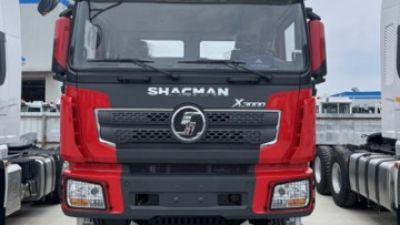
The X3000 6×4 tractor truck is designed to set a new standard for long-distance efficient transportation. Its heavy-duty six-wheel-drive configuration, high-torque powertrain, and aerodynamic cab support stable performance across highways, gradients, and varied loads. By combining optimized engine operation with intelligent transmission management, the truck can help reduce fuel consumption, operating costs, and unnecessary downtime—three factors that directly influence the productivity of modern freight fleets.
The International Energy Agency’s *The Future of Trucks* identifies road freight as a major and growing source of transport energy demand and carbon emissions, emphasizing the importance of improving vehicle efficiency alongside the transition to cleaner technologies. In this context, a long-haul tractor must deliver more than power: it needs dependable endurance, efficient load movement, and predictable maintenance performance. The truck’s reinforced chassis, spacious driver environment, and systems engineered for continuous operation are suited to demanding logistics routes.
Operational efficiency also supports the wider challenges highlighted by International Road Transport Union reports, including driver shortages and pressure to improve fleet utilization. By offering stable handling, comfortable long-distance operation, and strong capability in demanding working conditions, the 6×4 tractor truck helps transport operators move more cargo with fewer interruptions while advancing practical, measurable efficiency in long-distance freight.
Heavy-duty tractor units suit highway freight with large trailers. Check torque, axle ratings, fuel use, and repair access before buying. A powerful engine is not enough.
Rigid cargo trucks suit regional deliveries and narrow streets. They avoid trailer-access problems in crowded areas. Measure turning space carefully. That detail is easy to miss.
Dump trucks carry stone, soil, and construction waste. Off-road haulers handle mines, quarries, and rough industrial roads. Inspect reinforced beds, axles, ground clearance, and frame condition. Heavy loading leaves clues.
Horsepower indicates speed potential, while torque supports heavy movement. Compare peak torque, torque range, transmission, and axle ratio. A lower-powered truck may perform better on steep routes. It depends.
Subtract curb weight from the gross vehicle weight rating. Include cargo, passengers, fuel, tools, and safety equipment. Do not rely on rounded brochure figures. The full tank matters.
Subtract the actual loaded truck weight from the gross combined weight rating. Do not use the advertised maximum alone. Consider hills, cooling, braking, wind, altitude, and trailer shape. Test conditions are cleaner than real roads.
Check frame cracks, tire wear, hydraulic leaks, brake response, and cold-start behavior. Request service records and chassis details. Use an independent inspection. A clean cab can hide costly mechanical problems.
Look for low entry steps, strong handholds, wide mirrors, adjustable seats, and useful storage. Test steering, pedals, seat suspension, displays, ventilation, and windshield defrosting. Sit inside for twenty minutes. Comfort helps, but it cannot replace training.
Yes. Test emergency braking, blind-spot alerts, lane warnings, and electronic stability controls. Check performance in rain, dust, and crowded work zones. Some alerts may feel over-sensitive. Discuss that honestly.
Choosing the right Big Trucks for global operations requires more than comparing size and horsepower. Buyers should first identify the vehicle category that matches their work, such as heavy-duty haulage trucks, construction vehicles, long-distance tractors, or specialized transport units. Important comparisons include engine power, payload, towing capacity, fuel efficiency, emissions performance, and total operating cost. A truck with strong output is valuable, but its performance should also match road conditions, load requirements, and expected duty cycles.
Cab design and driver comfort can significantly affect safety and productivity during long working hours. Features such as visibility, ergonomic controls, advanced braking assistance, stability systems, and practical sleeping or storage areas should be carefully evaluated. Global buyers must also check regional weight limits, emissions standards, road regulations, service coverage, technician availability, and replacement-parts supply. The best choice is therefore a balanced vehicle that delivers reliable performance, manageable ownership costs, suitable safety equipment, and dependable support throughout its operating life.