inquiry
Leave Your Message
0%

These days, the global demand for dependable road tanker transport is really picking up across sectors like fuel, chemicals, food, and industrial supplies. The International Energy Agency’s Oil 2024 report predicts that worldwide oil demand could hit around 105.4 million barrels daily by 2030. That kind of projection keeps the buzz going around efficient Tanker Lorries. Of course, the specific needs will vary depending on the region and what kind of cargo we’re talking about.

At the same time, the freight industry is moving toward tighter standards for efficiency and traceability. According to the OECD’s International Transport Forum’s Transport Outlook 2024, if we don’t get serious with policy actions, freight activity could almost triple by 2050. So, for buyers, picking the right vehicle isn’t just about going for the biggest tank out there. It's about making sure the truck fits the payload, axle limits, road conditions, unloading setups, and local maintenance capabilities.

And safety? That’s still the top priority. The UN’s Economic Commission for Europe’s ADR framework sets pretty much the standard for carrying dangerous goods on roads. Before making a purchase, you really want to double-check the tank material, how the compartments are set up, pressure ratings, rollover protection, braking systems, inspection records, and certifications. When it comes to food-grade tanks, don’t forget about hygiene standards and stainless-steel construction—those are just as crucial.

This guide takes a look at some of the leading Tanker Lorries for sale, comparing practical factors like capacity, chassis durability, fuel efficiency, ease of service, and overall lifecycle costs. We’re focusing on well-known brands like Volvo Trucks, Scania, Mercedes-Benz, MAN, and DAF. Sure, brand reputation helps, but it’s not the only thing that matters. Sometimes, a well-maintained used truck can outshine a brand-new model that’s poorly specified. There’s no one-size-fits-all answer either—things like local rules, weather, terrain, and the driver’s experience can all influence what’s best in the end.
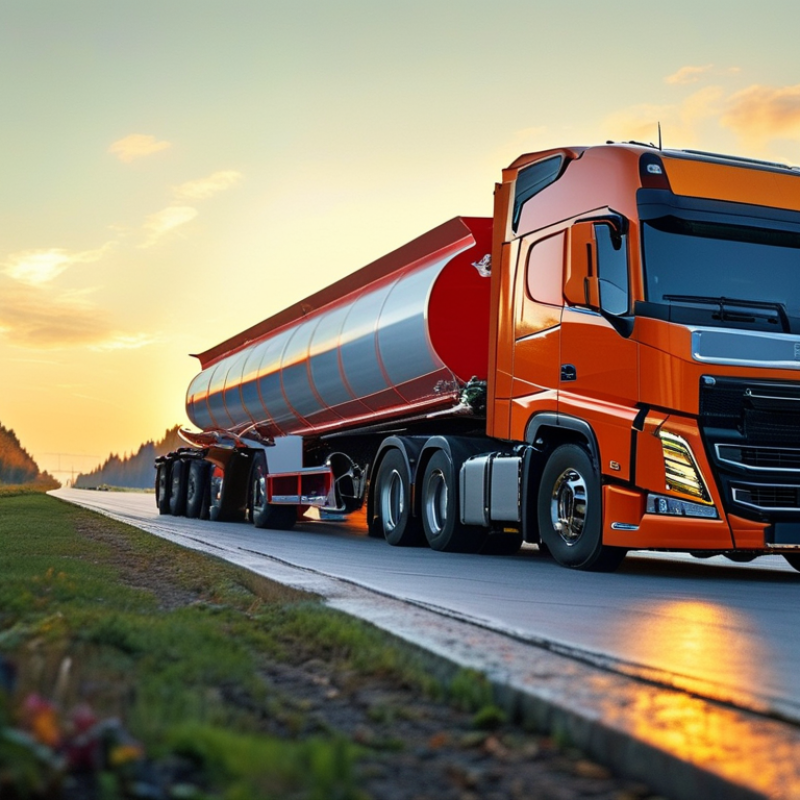
Top Tanker Lorries for Sale for Global Buyers

Tanker Lorry Types and Their Global Applications

Tanker lorries serve different cargoes, and their designs should match each application. Fuel tankers commonly transport diesel, petrol, and aviation fuel between terminals and service points. The IEA’s Oil 2024 report projects global oil demand will reach about 105.4 million barrels per day by 2030. This supports continued demand for efficient road tankers, especially in regions with expanding transport networks.

Water tankers support municipalities, construction sites, farms, and emergency supply operations. The WHO and UNICEF Joint Monitoring Programme reported that 2.2 billion people lacked safely managed drinking water in 2022. This figure shows why insulated, hygienic water tanks remain important for global buyers. Food-grade tankers need smooth internal surfaces, cleanable fittings, and controlled discharge systems. Small details matter.

Chemical tankers require compatible tank materials, separate compartments, and documented inspection records. Vacuum tankers handle wastewater and approved industrial liquids, but their pumps, seals, and pressure ratings need careful checking. Buyers should compare tank volume, axle limits, corrosion protection, insulation, and regional road rules. ADR requirements, or equivalent national standards, may affect the purchase.

A practical mistake is choosing capacity before checking loading access. Bigger is not always better. I have seen specifications look impressive, yet poor hose placement slowed daily operations. Used units also deserve attention. Service history, valve condition, tank certification, and previous cargo records can reveal hidden costs. Global applications differ, so a tanker lorry should be selected for its route, cargo, climate, and maintenance support.

Key Specifications Buyers Should Compare

Top Tanker Lorries for Sale for Global Buyers

Key Specifications Buyers Should Compare

Choosing a tanker lorry requires more than checking capacity and price. Buyers should compare tank volume, axle limits, tare weight, and payload together. A larger tank is not always better. It may reduce payload flexibility or create route restrictions.

Tank construction deserves close attention. Stainless steel suits many liquid applications, while coated steel may reduce costs. Check the tank’s thickness, compartments, baffle design, manholes, valves, and discharge system. Ask for pressure-test records and cleaning history. Inspect the chassis for cracks, corrosion, uneven tyre wear, and leaking seals. Engine hours matter, but maintenance records often reveal more. Some sellers provide incomplete documents. That is a warning, not a minor inconvenience.

Tips: Match the tanker to local roads, loading equipment, climate, and safety rules. Confirm dimensions, turning radius, braking performance, and electrical standards before payment. Request recent photographs, a cold-start video, and an independent inspection. Test the pump under realistic conditions. A brochure cannot show every weakness.

Buyers should also compare suspension type, spare-part availability, warranty terms, and delivery support. Check whether calibration certificates remain valid in the destination country. I have seen purchasing decisions focus heavily on tank volume, while axle compliance received too little attention. That mistake can become expensive. Specifications must fit the full operating environment, not just the sales listing.

Tanker Body Materials, Compartments, and Safety Features

Choosing a tanker lorry requires more than checking its price and payload. Tanker body materials affect weight, durability, and maintenance. Stainless steel suits many corrosive liquids, while aluminum reduces weight for fuel efficiency. Carbon steel offers strength but needs careful coating and inspection. Small rust marks around welds deserve attention.

Compartment design also matters. Separate chambers allow different approved liquids to be carried without mixing. Internal baffles reduce sudden movement during braking or cornering. Inspectors should check manholes, seals, discharge valves, and the condition of each partition. For Cement Lorries, a reinforced dry-bulk tank and reliable air delivery system support steady unloading. Clean access points make routine maintenance easier.

Safety features should be visible and practical. Look for pressure-relief devices, anti-slip walkways, secure handrails, emergency shut-off controls, reflective markings, and suitable fire equipment. A low center of gravity improves stability, but it cannot replace careful driving. Buyers should compare inspection records, load testing, corrosion reports, and local compliance requirements. Rules differ between countries, so imported vehicles need professional verification before purchase. No checklist is perfect. A bright repaint can hide old repairs, and a neat exterior proves little without service documents. A hands-on inspection by a qualified technician remains one of the most reliable steps.

Choosing the Right Tanker Lorry for Different Cargoes

Choosing the right tanker lorry starts with the cargo, not the advertised Tanker Trucks Capacity. A 30,000-litre tank may suit water, but it can waste payload when transporting dense edible oil. Density matters. Check the cargo’s weight per litre, viscosity, temperature range, and contamination risk before selecting the chassis.

Food-grade milk requires insulated stainless-steel tanks, smooth internal surfaces, and reliable cleaning access. The OECD-FAO Agricultural Outlook 2024–2033 projects global milk production to grow by about 1.6% annually, supporting continued demand for hygienic liquid transport. Edible oils need similar cleanliness, but their loading temperatures and discharge systems differ. Water tankers can use simpler designs, although baffles remain important for reducing liquid surge during braking.

Chemical cargoes require stronger material compatibility checks, separate hoses, emergency shut-off systems, and documented maintenance. Never assume one tank suits every liquid. The European Environment Agency’s 2024 transport data indicates heavy-duty vehicles produce roughly 27% of road-transport carbon dioxide emissions in Europe. Efficient routing, appropriate tank size, and lower empty-return mileage therefore matter financially and environmentally. A smaller lorry may outperform a larger one on short, frequent deliveries. I would still recheck axle limits, local road rules, cleaning records, and insulation performance before purchase. Tank size alone is an incomplete decision.

Global Standards, Regulations, and Certification Requirements

Global buyers should evaluate a tanker lorry beyond price, mileage, and polished paint. A Tanker Tractor must match the destination country’s safety rules, axle limits, and product requirements. UNECE ADR 2025 requires periodic tank inspection, generally every six years, with intermediate checks every three years. The inspection must verify shell condition, pressure resistance, valves, closures, and safety equipment. In the United States, FMCSA rules under 49 CFR 180.407 set different testing intervals for cargo tanks. A compliant vehicle in Europe may still need modification before operating in North America.

Tips: Request the original tank plate, inspection certificates, welding records, and calibration documents. Check whether the tank carries the correct UN specification and pressure rating. Photograph the outlet valves and emergency shut-off system before purchase. Ask an independent inspector to review corrosion beneath insulation.

Technical conformity also depends on construction quality. EN 13094 covers many low-pressure metallic tanks for dangerous goods, while EN 14025 addresses pressure receptacles. Buyers should verify material certificates and weld qualifications, not only a seller’s declaration. The 2024 IRU driver shortage report projected millions of unfilled professional truck-driver positions globally by 2028. That pressure can increase maintenance risks when fleets operate understaffed. Training records matter.

A checklist can still miss hidden damage. I have seen clean-looking tanks conceal worn seals and uneven brake wear. Local certification agencies should confirm registration eligibility before shipment. Import taxes, language requirements, and inspection appointments also affect delivery time. Standards change, and old paperwork is not proof of current compliance.

Top Tanker Lorries for Sale for Global Buyers

Global Standards, Regulations, and Certification Requirements

The chart shows representative nominal capacities commonly specified for different tanker lorry applications. Actual capacity depends on axle limits, tank material, compartment configuration, cargo density, operating temperature, and local road regulations.

Buyers transporting dangerous goods should verify applicable requirements under the ADR framework, UN dangerous goods recommendations, or national regulations such as 49 CFR. Tank approval, pressure and leak testing, periodic inspection, marking, loading equipment, and operator documentation may be required before the vehicle is placed into service.

Pricing, Inspection, Shipping, and Import Considerations

Top Tanker Lorries for Sale for Global Buyers

Pricing, Inspection, Shipping, and Import Considerations

The price of Tanker Vehicles depends on capacity, chassis age, tank material, axle layout, and equipment. A basic water tanker may cost less than a unit designed for fuel or food-grade transport. Ask for a complete quotation, including taxes, loading fees, spare parts, and documentation. A low price can hide expensive repairs. I have learned that unclear specifications create problems later.

Request recent photos, maintenance records, chassis details, and service history. Photographs are not enough. An independent inspector should check tank-wall thickness, welds, valves, pumps, brakes, tires, lights, and corrosion. Open the access hatch and inspect internal cleanliness. Ask for a pressure or leak test when appropriate. Small defects matter. A worn valve may delay delivery and increase repair costs. Inspection standards can vary, so buyers should use a written checklist.

Shipping plans should match the vehicle’s dimensions, weight, destination port, and local road rules. Confirm whether the lorry ships as a complete vehicle or requires special handling. Import documents may include the commercial invoice, packing list, transport document, ownership papers, conformity certificates, and origin records. Local customs and vehicle authorities may require emissions or safety approval. Check these requirements before payment. Port storage charges can grow quickly. I still allow extra time because paperwork and inspections rarely move perfectly. A local customs professional can review the file before shipment.

FAQS

What are tanker lorries commonly used for?

They transport fuel, water, food liquids, chemicals, wastewater, and dry bulk materials. Each cargo needs a suitable tank design.

How should buyers choose tanker capacity?

Check loading access, route limits, axle regulations, and daily demand before selecting volume. Bigger is not always better.

What materials are suitable for tanker bodies?

Stainless steel suits many corrosive liquids. Aluminum reduces weight, while coated carbon steel provides strength. Rust near welds needs careful inspection.

Why are compartments important in tanker lorries?

Separate chambers keep approved liquids from mixing. Inspect partitions, manholes, seals, and discharge valves for damage or leakage.

What safety features should a tanker lorry include?

Look for pressure relief devices, anti-slip walkways, secure handrails, emergency shut-off controls, and reflective markings. Practical details matter.

What should buyers inspect on a used tanker lorry?

Review service history, tank certification, valve condition, corrosion reports, and previous cargo records. A clean exterior proves little.

How do route and climate affect tanker selection?

Mountain roads may require stronger braking and stability. Hot or cold climates can affect insulation, seals, pumps, and maintenance needs.

Are water tankers different from fuel or chemical tankers?

Yes. Water tanks need hygienic interiors and cleanable fittings. Fuel and chemical tanks require compatible materials and controlled discharge systems.

Why are internal baffles useful?

Baffles reduce liquid movement during braking and cornering. They improve stability, but careful driving remains necessary.

Can imported tanker lorries be used immediately?

Not necessarily. Local road rules, inspection standards, axle limits, and safety requirements need professional verification before operation.

Conclusion

Tanker Lorries are specialized vehicles designed to transport liquids, gases, powders, and other bulk materials safely across regional and international markets. This overview explains the main tanker types and their applications, helping buyers compare essential specifications such as capacity, axle configuration, pressure ratings, pumping systems, fuel efficiency, and maintenance requirements. It also examines tanker body materials, compartment layouts, insulation, emergency shut-off systems, grounding equipment, and other safety features that influence performance and cargo protection.

Selecting the right tanker depends on the cargo’s density, temperature sensitivity, viscosity, and handling requirements. Buyers should also review applicable international standards, inspection procedures, certification documents, and operational regulations before purchasing. In addition, the guide highlights practical considerations including pricing, vehicle condition, factory or third-party inspections, shipping arrangements, customs documentation, insurance, and import duties. By evaluating these factors carefully, global buyers can choose reliable tanker lorries that match their transport needs, budget, compliance responsibilities, and long-term operating plans.
Lucas

Lucas

Lucas is a seasoned marketing professional with a profound expertise in heavy-duty vehicles and a strong commitment to showcasing the excellence of his company’s products. With over a decade of experience in the industry, he has developed an in-depth understanding of advanced manufacturing......
Previous 10 Truck Tractor Buying Tips for Global Buyers