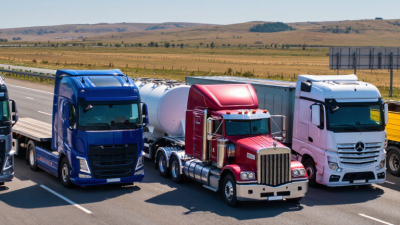
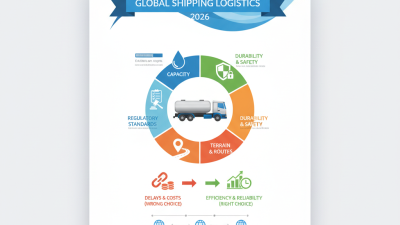
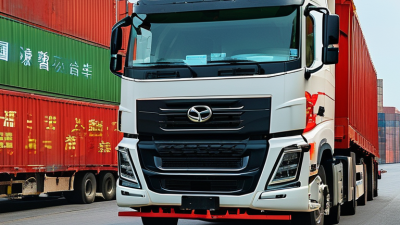
When it comes to sourcing trucks globally, things are changing. Buyers aren’t just looking at the sticker price anymore, even though it still matters. Now, they’re paying more attention to things like payload capacity, fuel efficiency, how easy it is to get maintenance done, and how readily available replacement parts are. These factors can actually tell you more about the real value of a vehicle than just the initial cost.
In 2023, the International Organization of Motor Vehicle Manufacturers reported that around 93.5 million vehicles were produced worldwide. That’s a huge number—more options, more suppliers, but also more variation in quality, specs, and after-sales support. Plus, the shift towards electric vehicles (EVs) is really gaining steam, especially for commercial trucks, according to the latest from the International Energy Agency’s Global EV Outlook 2024. This means buyers are comparing diesel, hybrid, and electric trucks more carefully. Sure, a battery range might look great on paper, but real-world performance depends on factors like load weight, road conditions, weather, and how easy it is to find charging stations.
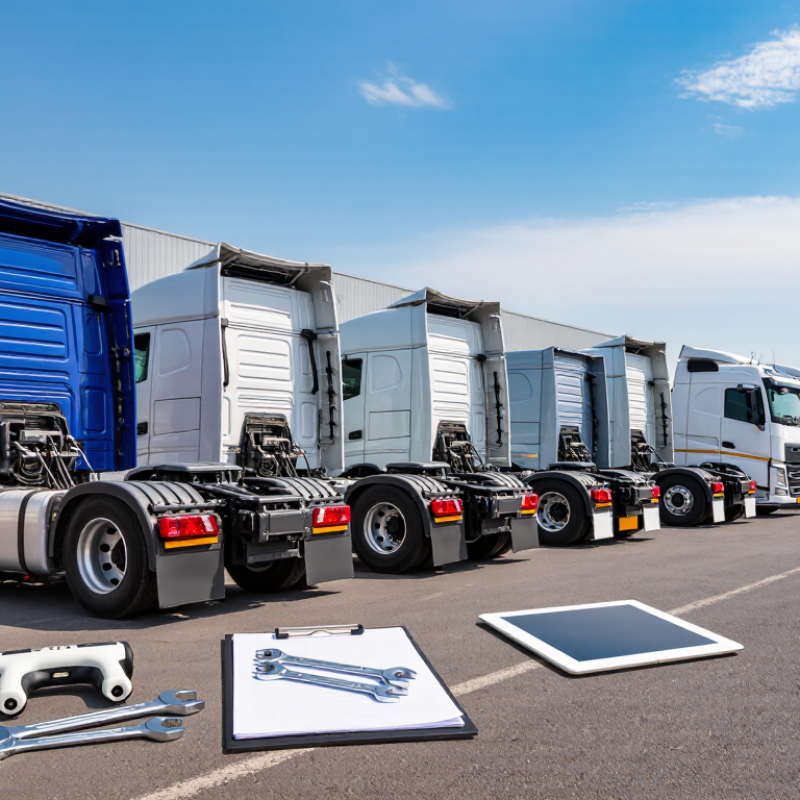
Details really do matter here. Experienced sourcing teams typically give trucks a thorough once-over—checking welding points, frame thickness, brake systems, and whether the diagnostic systems are compatible. They also confirm that factory audits are in place, warranties are clear, and that the supplier’s production capacity and delivery times for spare parts are solid. These inspections support what we call the E-E-A-T principles: practical experience, technical knowledge, solid evidence, and trustworthy decisions. Sometimes, a supplier might have great photos and a shiny website but lack consistent quality control—that’s a red flag you don’t want to ignore early on.
While reports from the International Energy Agency and OICA are super helpful to understand market trends, they’re not the whole story. You still need to double-check local certification, import rules, and what kind of after-sales support the supplier can actually offer. Choosing a truck for global sourcing is really about testing, gathering evidence, and making cautious comparisons. Remember: the cheapest quote today could end up costing you a lot more if downtime hits or maintenance turns out to be a nightmare.
A truck car is a road vehicle that combines a passenger cabin with a cargo-focused chassis. In global sourcing, the term often describes light commercial vehicles, pickup-style vehicles, or compact trucks designed for mixed transport. It is not a universal legal category. Buyers should confirm the vehicle class in each destination market.
This definition matters during supplier evaluation. A truck car may carry tools, parcels, or agricultural materials while remaining practical for daily driving. Its frame, payload rating, wheelbase, and suspension affect real performance. A vehicle carrying 800 kilograms needs different engineering from one carrying 1,200 kilograms. Buyers should request verified dimensions, load tests, service records, and clear production specifications.
Global sourcing teams also examine more than the unit price. They compare factory quality controls, spare-part availability, packaging strength, and delivery schedules. A sample inspection can reveal uneven panel gaps, weak welds, or unclear wiring labels. Small issues become expensive after ocean transport. Specs can drift. Therefore, approved samples, inspection checkpoints, and written change controls improve reliability. Local safety, emissions, labeling, and import requirements must also be checked before ordering.
The process is not always perfectly predictable. Forecasts may change, and a cheaper configuration may create higher ownership costs. That risk deserves honest discussion. Careful sourcing connects the truck car’s intended work with measurable engineering data, supplier capability, and market rules.
International sourcing gives fleet buyers access to wider production capacity, specialized engineering, and competitive pricing. A Commercial Vehicle Car can be configured for urban delivery, construction support, or long-distance transport. The right supplier should provide clear load ratings, service records, material specifications, and testing evidence. These details matter more than polished sales language. In practical sourcing work, a side-by-side comparison often reveals major differences in suspension strength, cabin protection, fuel efficiency, and maintenance access. Small details matter.
International suppliers may also offer flexible body designs and production volumes. Buyers can request refrigerated compartments, reinforced frames, or different wheelbase options. This flexibility helps companies match vehicles to local roads and working conditions. However, lower purchase prices do not automatically mean lower ownership costs. Freight charges, import duties, spare-part availability, and technician training must be calculated carefully. A reliable supplier should explain delivery schedules, inspection procedures, warranty coverage, and after-sales support in writing.
Risk remains part of the process. No spreadsheet captures every port delay or unexpected repair. A pilot order can expose packaging weaknesses, documentation errors, or difficult maintenance procedures before a larger commitment. Independent inspections and verified compliance records add practical protection. I would also ask for sample components, service manuals, and references from comparable buyers. Some sourcing decisions still involve uncertainty. That is why transparent communication, documented testing, and regular performance reviews are essential when selecting truck vehicles internationally.
Why Choose a Truck Car for Global Sourcing?
Main Truck Car Types for Different Transport Needs
Global sourcing often involves uneven roads, long distances, and changing cargo conditions. The right truck vehicle can reduce handling time and protect goods during transit. A pickup truck suits small loads, samples, tools, and short regional deliveries. Its open bed allows quick loading. However, exposed cargo needs proper covers and secure fastening.
A flatbed truck carries steel frames, timber, machinery, and oversized materials. Side access is useful at busy warehouses. A box truck offers better protection for cartons, furniture, and packaged products. For temperature-sensitive cargo, a refrigerated truck maintains controlled conditions during the journey. A tipper truck works well for sand, gravel, and other loose materials. It is practical, but unsuitable for fragile goods. Curtain-side trucks provide flexible loading from several directions. This can help when warehouse space is limited.
Tips: Match the truck to cargo weight, volume, loading method, and delivery distance. Check the floor condition, tie-down points, and weather protection before dispatch. Ask for loading photos and transport records when sourcing internationally. These details improve reliability, though they cannot remove every risk. In my experience, selecting the cheapest vehicle can create higher costs later. Delays, damaged packaging, and manual reloading are easy to underestimate. A careful comparison should include fuel use, maintenance history, insurance documentation, and local road suitability. A truck that performs well on highways may struggle on narrow rural roads. That difference matters.
| Truck Type | Typical Configuration | Approx. Payload Capacity | Typical Body or Cargo Area | Best-Suited Transport Needs | Key Global Sourcing Considerations |
|---|---|---|---|---|---|
| Light-Duty Pickup Truck | 2- or 4-wheel drive; open bed; single or double cab | 0.5–1.5 metric tons | Open cargo bed, usually 1.5–2.5 m long | Small-business deliveries, agricultural supplies, construction tools, service operations and mixed urban use | Check bed dimensions, payload rating, ground clearance, left- or right-hand drive, and local vehicle registration requirements. |
| Light-Duty Box Truck | Cab-over or conventional cab with an enclosed box body | 1.0–3.5 metric tons | Enclosed cargo box, commonly 8–20 m³ | Parcel distribution, retail replenishment, furniture, appliances and weather-sensitive goods | Compare internal volume with legal payload, door opening size, insulation options and suitability for narrow city roads. |
| Medium-Duty Flatbed Truck | Two-axle or three-axle chassis with an open flat platform | 3.5–10 metric tons | Open platform, commonly 4.5–7.5 m long | Steel products, timber, machinery, pipes, building materials and oversized cargo | Specify deck length, sideboards, load-securing points, crane compatibility and the required axle-load limits. |
| Medium-Duty Curtain-Sider | Rigid chassis with sliding fabric curtains and rear access | 4–12 metric tons | Enclosed flexible body, commonly 25–55 m³ | Palletized freight, route distribution, packaged goods and cargo requiring frequent side loading | Verify curtain durability, roof load rating, pallet capacity, body height and compatibility with loading docks. |
| Heavy-Duty Cargo Truck | Three-axle or multi-axle rigid truck with a cargo body | 10–25 metric tons | Flatbed, dropside, box or stake body; typically 35–70 m³ | Long-distance regional freight, industrial materials, bulk packaged cargo and infrastructure projects | Assess gross vehicle weight limits, axle configuration, fuel availability, service access and spare-parts logistics in the destination market. |
| Refrigerated Truck | Insulated box body with mechanical refrigeration unit | 2–20 metric tons | Insulated cargo body, commonly 15–70 m³ | Fresh food, frozen products, pharmaceuticals and temperature-sensitive chemicals | Define the required temperature range, pull-down performance, insulation thickness, data logging and standby-power requirements. |
| Tanker Truck | Rigid chassis with a cylindrical tank for liquid or dry bulk cargo | 5–30 metric tons | Tank capacity commonly 5,000–30,000 liters | Water, fuel, food-grade liquids, chemicals and other regulated bulk materials | Confirm tank material, compartment layout, pressure rating, grounding, cleaning access and applicable hazardous-cargo regulations. |
| Tipper or Dump Truck | Hydraulic lifting body mounted on a rigid chassis | 5–30 metric tons | Open steel or aluminum dump body, commonly 5–20 m³ | Sand, gravel, soil, demolition waste, mining materials and construction projects | Compare body volume with payload limits, tipping angle, hydraulic-system specifications, off-road capability and corrosion protection. |
| Car Carrier Truck | Rigid or tractor-based vehicle with a multi-level vehicle transport deck | 6–12 passenger vehicles | Adjustable ramps and upper/lower decks | Vehicle distribution between ports, storage yards, dealerships and regional hubs | Check deck height, ramp geometry, securing equipment, total vehicle length and clearance restrictions on intended routes. |
| Truck-Mounted Crane | Flatbed or platform truck equipped with a hydraulic loading crane | 3–20 metric tons | Open platform with crane lifting capacity generally 1–20 tonne-meters | Construction materials, utility equipment, machinery installation and self-loading deliveries | Evaluate crane reach, lifting chart, stabilizer footprint, platform size, operator training needs and local lifting-equipment certification. |
Choosing a Commercial Car supplier requires more than comparing catalog prices. The IEA’s Global EV Outlook 2024 reports that electric truck sales grew strongly in 2023, increasing pressure on manufacturers to prove battery quality, software stability, and service capability. Ask for recent production records, not only polished samples. Inspect welds, door alignment, chassis protection, and cable routing on a physical unit. Small details expose factory discipline.
Request third-party test reports for payload, braking, range, noise, and thermal safety. Verify whether the test cycle matches your roads, climate, and cargo weight. The World Bank’s Logistics Performance Index 2023 shows a wide gap in global logistics reliability, so delivery promises need measurable evidence. Check supplier lead times across several completed orders. Do not trust one successful shipment.
A serious manufacturer should provide traceable component lists, quality-control checkpoints, warranty terms, and spare-parts availability. Review its factory capacity during a live video inspection or an independent audit. Ask who handles software updates and field failures. Silence is information.
Price still matters, but an unusually low quotation may hide weaker batteries, limited testing, or unstable after-sales support. I have seen attractive samples fail when loaded repeatedly. That possibility deserves a written durability plan. Evaluate payment protection, production milestones, export documentation, and communication speed before signing. Supplier evaluation is imperfect, yet documented evidence reduces expensive surprises.
Why Choose a Truck Car for Global Sourcing?
Global sourcing for Auto Car Trucks depends on more than the factory price. A low quotation can hide duties, port charges, inland delivery, and currency risk. The World Bank’s Logistics Performance Index 2023 shows that customs efficiency and shipment tracking differ sharply between markets. A vehicle delayed at a border can also lose value while storage fees accumulate. Small delays become expensive.
Regulations create another cost layer. Importers may need safety certificates, emissions documents, translated labels, and detailed vehicle identification records. Requirements vary by destination and can change during a sourcing cycle. The OECD reports that trade facilitation reforms can reduce trade costs by more than 10% in some developing economies. That figure supports careful document preparation, not blind optimism. I have seen a complete vehicle shipment pause because one technical file used an outdated test standard. The spreadsheet looked correct. It was not.
Tips: Compare total landed cost, not the supplier’s unit price. Ask for a document checklist before production. Confirm tariff codes with a licensed customs professional. Use shipment tracking and keep a buffer for port congestion. The World Bank’s 2023 report also emphasizes reliable logistics connections and timely delivery. Choose routes with predictable handovers, even when they cost slightly more. A cheaper route may be slower, less visible, and harder to correct. Personally, I would test one small shipment first. It may expose weaknesses that a large order would make painfully expensive.
Costs, Regulations, and Logistics in Cross-Border Sourcing
This planning benchmark estimates the landed cost of one medium-duty truck shipped internationally. The model assumes a vehicle value of USD 60,000, a 12% customs duty, ocean freight, inland haulage, cargo insurance, port handling, and basic compliance costs. Actual charges vary by vehicle classification, origin, destination, trade agreement, emissions standard, and local tax treatment.
When sourcing a truck car globally, quality control must begin before the purchase order. A polished listing proves very little. I check the vehicle identification number, service history, payload rating, brake condition, and emission documentation. Photos can hide frame corrosion, uneven tire wear, or leaking hydraulic lines. A small inspection failure can become an expensive port delay.
UNCTAD’s Review of Maritime Transport 2023 states that maritime shipping carries over 80% of global merchandise trade by volume. That exposure makes transport planning a risk-control task. The World Bank’s Logistics Performance Index 2023 surveyed 4,090 logistics professionals across 139 countries. It measures customs, infrastructure, tracking, and delivery reliability. I therefore require pre-shipment inspection, sealed loading photographs, and documents checked against the physical unit. For Dump Truck Dump Truck purchases, payload and hydraulic testing deserve extra attention.
The process is not perfect. My checklist can miss a hidden repair. An independent inspector can also overlook intermittent faults. That is why I use staged payments, clear acceptance criteria, and a written remedy process. Suppliers should provide cold-start videos, underbody images, diagnostic reports, and serial-number records. I also compare declared specifications with the destination country’s safety and registration requirements. A second inspection before loading may feel repetitive, but it is cheaper than discovering damage after customs clearance.
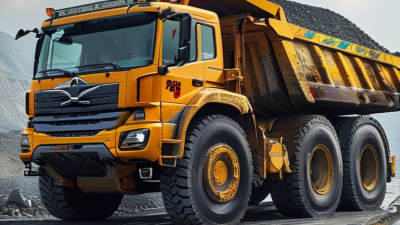
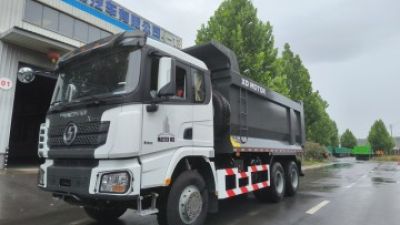
The X3000 6×4 dump truck is engineered for demanding mining and construction operations where power, payload control, and dependable performance are essential. Its 380HP engine provides strong output for steep gradients, heavy loads, and frequent stop-and-go cycles, while the 6×4 driving configuration improves traction on rough, muddy, or unpaved surfaces. With 11 tyres, the vehicle offers stable load distribution and enhanced road contact, supporting safer and more consistent operation on challenging worksites.
Efficiency is increasingly important in heavy-duty transport. According to the International Energy Agency’s *Global EV Outlook 2024*, heavy trucks account for approximately one-quarter of road-transport carbon dioxide emissions despite representing less than 10% of road vehicles, highlighting the value of improving productivity per operating hour. The X3000 combines a robust chassis with a practical diesel powertrain to deliver reliable performance without compromising working capacity. Its brand-new condition also helps reduce early maintenance risks and supports longer service planning.
Built for durability, the truck is suitable for quarrying, earthmoving, infrastructure development, and bulk-material transport. Its customizable color options allow fleet operators to match company or project requirements, while the reinforced 6×4 platform is designed to withstand demanding daily workloads and variable terrain.
A truck car combines a passenger cabin with a cargo-focused chassis. It may be a pickup-style vehicle or compact commercial truck. The term has no universal legal definition. Confirm its classification in the destination market.
It can transport tools, parcels, agricultural materials, or small equipment. Payload ratings vary widely. An 800-kilogram load needs different engineering from a 1,200-kilogram load. Check the frame, suspension, wheelbase, and load tests.
A pickup-style truck suits tools, samples, and small loads. Its open bed allows quick loading. Use strong covers and tie-downs for exposed cargo. Loose items can shift during sudden braking.
A box truck protects cartons, furniture, and packaged products from rain and road dust. A refrigerated truck suits temperature-sensitive cargo. Check temperature records, door seals, and cooling performance. Small details matter.
A flatbed suits timber, steel frames, machinery, and oversized materials. A tipper suits sand, gravel, and other loose materials. Neither choice is ideal for fragile goods. Match the body design to the cargo.
Request verified dimensions, service records, payload ratings, and production specifications. Inspect panel gaps, welds, wiring labels, tires, brakes, and the underside. Photos can hide corrosion or leaking hydraulic lines. Mistakes still happen.
Use an independent inspection before shipment. Require loading photographs, diagnostic reports, and serial-number records. Compare documents with the physical vehicle. Staged payments and written acceptance rules can limit disputes.
Compare fuel use, maintenance history, spare-part access, packaging strength, insurance documents, and delivery schedules. Include possible reloading and port delays. The cheapest vehicle may cost more later. That risk deserves honest review.
Local rules may cover safety, emissions, labeling, registration, and import procedures. A vehicle suitable for highways may struggle on narrow rural roads. Confirm requirements before placing the order. Specifications can drift.
A Truck Car is a versatile commercial vehicle designed to move goods efficiently across different distances and operating conditions. In global sourcing, it can support distribution, construction, agriculture, emergency services, and general freight transport. International sourcing offers access to broader vehicle choices, competitive pricing, specialized configurations, and flexible production capacity. Buyers can select light-duty, medium-duty, heavy-duty, refrigerated, flatbed, or specialized Truck Car types according to payload, route, cargo, and climate requirements.
Successful sourcing depends on carefully evaluating suppliers and manufacturers through production capability, technical specifications, certifications, after-sales support, communication, and delivery records. Buyers should calculate the full cost, including vehicle price, customization, shipping, insurance, duties, inspections, and maintenance. They must also confirm that the vehicle meets destination-market safety, environmental, and registration requirements. Clear contracts, pre-shipment inspections, sample verification, spare-parts planning, and secure payment procedures can reduce quality and delivery risks, helping ensure a reliable and cost-effective global purchase.