+86 15596887398
Leave Your Message
-
WhatsApp
-

-

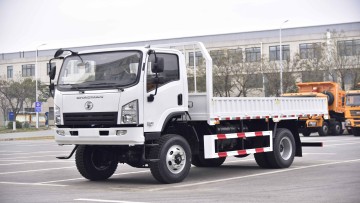
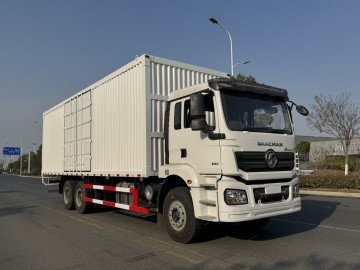
Explore our specialized cargo fleet designed to maintain strict thermal parameters across urban, regional, and cross-country haulage routes.
The global logistics landscape is undergoing a monumental shift, driven by the explosive growth of fresh food e-commerce and the strict regulatory frameworks governing pharmaceutical distribution. Within this context, temperature-controlled cargo equipment is no longer just a transport utility; it has evolved into a highly integrated mobile environment. Ensuring that life-saving vaccines, clinical trial materials, fresh produce, and seafood arrive at their destinations without thermal degradation is a major technological and industrial challenge.
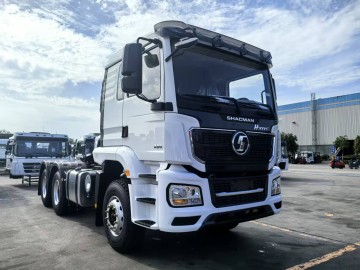
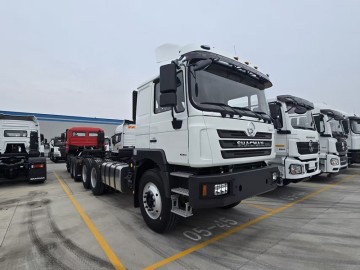
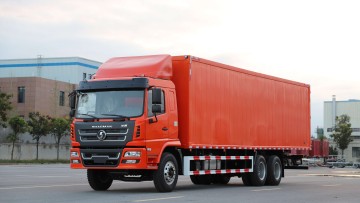
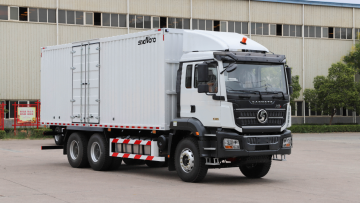
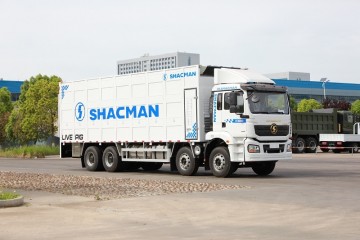
Heavy-duty cargo trucks, specialized refrigerated box units, and high-performance tractor heads form the backbone of this cold chain. Without reliable chassis performance, precise thermal insulation, and advanced telematics, supply chains risk catastrophic product loss. In the pharmaceutical sector alone, temperature excursions during transport account for billions of dollars in losses annually. This highlights the critical need for advanced, robust, and smart heavy transport solutions.
"The integration of real-time IoT monitoring, hybrid-power refrigeration units, and multi-temperature zone cargo compartments is redefining efficiency limits in modern cold-chain infrastructure."
While both sectors fall under the "cold-chain" umbrella, their operational demands differ significantly. Fresh food distribution relies heavily on high-volume throughput, rapid cycle times, and cost-effective operations. The cargo equipment must withstand frequent door openings during urban multi-drop deliveries while maintaining humidity and temperature levels to prevent bacterial growth and spoilage.
Pharmaceutical distribution, conversely, mandates absolute precision and compliance. Under Good Distribution Practice (GDP) guidelines, cargo vehicles must offer redundant cooling systems, continuous data logging, and high-security containment. The temperature range must be strictly locked—typically between 2°C to 8°C for biologics, or down to -20°C and lower for specialized compounds. Any variance can compromise the efficacy of the drug, making the choice of a stable, high-torque tractor unit and structurally reinforced box body a matter of public health safety.
To address these diverse demands, modern cargo equipment incorporates several cutting-edge innovations:
Looking ahead, the decarbonization of logistics is pushing manufacturers to develop electric and hydrogen-powered refrigerated trucks. Furthermore, predictive diagnostics powered by artificial intelligence are beginning to forecast refrigeration system maintenance needs before a mechanical failure occurs. Investing in high-quality cargo equipment today ensures fleet operators remain compliant, efficient, and competitive in a rapidly evolving global market.
How our manufacturing heritage and commitment to safety, quality, and innovation support global cold-chain distribution networks.



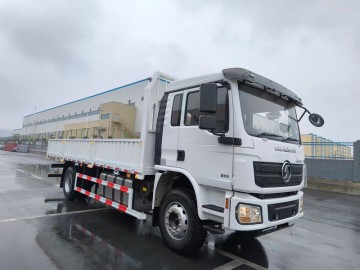
From agile last-mile distribution cargo trucks to heavy-duty cross-border tractor heads, discover our full range of transport equipment.