+86 15596887398
Leave Your Message
-
WhatsApp
-

-

Nigeria, as the economic giant of West Africa, relies heavily on road transportation to move goods, raw materials, and agricultural produce. Over 90% of all domestic freight traffic within the country depends on commercial trucks. With a rapidly growing population and expanding urban centers like Lagos, Abuja, Kano, and Port Harcourt, the demand for robust, durable, and cost-effective heavy-duty commercial vehicles has reached unprecedented heights. This has positioned Nigeria as a critical market for global commercial truck factories and suppliers.
The operational landscape in Nigeria presents unique challenges. Truck fleets must navigate diverse terrains, ranging from the humid, coastal roads of the south to the arid, sandy pathways of the north. Furthermore, varying road conditions demand vehicles built with reinforced chassis, superior suspension systems, and highly efficient powertrains. Consequently, local businesses, logistics companies, and government agencies prioritize suppliers that offer vehicles customized for these demanding African terrains, backed by reliable spare parts supply chains and local technical support.
Because Nigeria's rail infrastructure is still undergoing modernization, heavy-duty trucks serve as the primary vascular system of the national economy. From hauling cement for real estate projects to distributing petroleum products and agricultural goods, the efficiency of commercial trucks directly impacts the country's GDP growth and inflation rates.
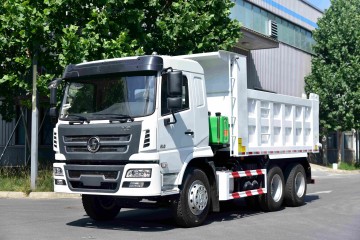
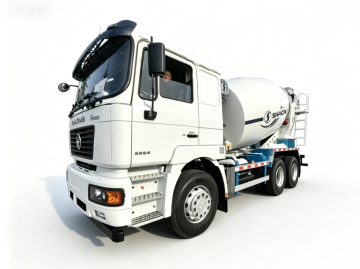
In recent years, the Nigerian government and private sector have launched massive infrastructure projects. The development of the Lekki Free Zone, the construction of the Dangote Petroleum Refinery, and extensive interstate highway expansions have triggered a massive surge in the demand for specialized construction vehicles. Dump trucks, concrete mixers, and heavy-haulage tractors are constantly deployed to support these mega-projects.
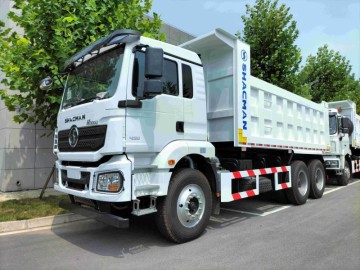
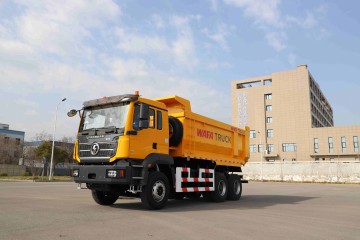
Simultaneously, the mining sector in Nigeria is undergoing a quiet renaissance. The extraction of solid minerals such as coal, limestone, iron ore, and gold requires rugged mining tippers capable of carrying high-payload capacities under extreme conditions. Suppliers that can provide heavy-duty mining dump trucks equipped with high-torque engines and wear-resistant cargo beds are highly sought after by mining concessions operating in states like Kogi, Nasarawa, and Zamfara.
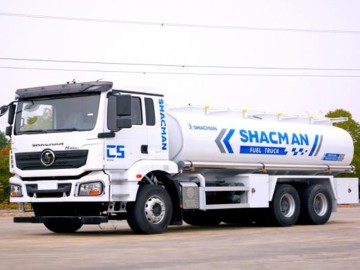
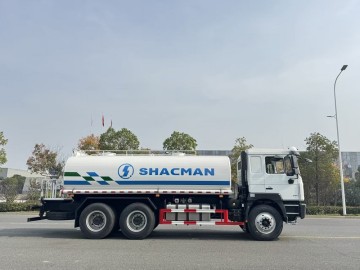
To understand the commercial truck market in Nigeria, one must look at how these vehicles are applied day-to-day. In urban centers, municipal management relies on specialized vehicles like water tankers and sprinkler trucks. For instance, in cities undergoing rapid expansion, dust suppression on construction sites and the delivery of clean water to industrial zones are essential. High-capacity water tank trucks ensure that municipal services and private industries maintain operational continuity despite municipal water supply deficits.
Another major application scenario is the logistics corridor connecting the Lagos ports (Apapa and Tin Can Island) to inland destinations, including neighboring landlocked countries like Niger and Chad. High-capacity cargo trucks and tractor heads haul containers day and night. Fuel efficiency and driver comfort during long-haul journeys across the country are crucial factors that fleet managers evaluate when choosing a commercial truck supplier. Vehicles must be equipped with fuel-efficient engines to offset fluctuating diesel prices, ensuring profitability for logistics operators.
In the agricultural sector, which employs a significant portion of the Nigerian workforce, trucks are needed to transport harvested crops from rural farms in the Middle Belt to processing plants in urban industrial zones. Reliable cargo trucks prevent post-harvest losses by ensuring timely delivery over long distances, making them indispensable to Nigeria's food security strategy.
The Nigerian government's National Automotive Industry Development Plan (NAIDP) has encouraged global truck manufacturers to transition from importing Fully Built Units (FBU) to establishing local Semi-Knocked Down (SKD) and Completely Knocked Down (CKD) assembly plants. This policy shift has successfully attracted top-tier truck manufacturers, including SHACMAN, to partner with local assembly companies.
Assembling trucks locally in Nigeria offers significant advantages. It reduces import tariffs, lowers logistics costs, and generates employment opportunities for local technicians. More importantly, it allows manufacturers to implement strict quality control measures tailored to the specific demands of the local market. For Nigerian truck buyers, local assembly translates into faster delivery times, easier access to genuine spare parts, and specialized maintenance support from technicians trained by the original equipment manufacturers (OEM).
A robust supplier network is the backbone of this system. Having strategically located dealerships and service centers in major cities like Lagos, Enugu, Kaduna, and Port Harcourt ensures that fleet operators can minimize vehicle downtime, which is critical for maintaining supply chain efficiency in a fast-paced economic environment.
The commercial truck industry in Nigeria is on the cusp of a technological revolution. One of the most prominent trends is the transition toward alternative fuels, particularly Compressed Natural Gas (CNG). In response to rising diesel costs and global environmental regulations, the Nigerian government has actively promoted the Presidential CNG Initiative. Fleet owners are increasingly looking for commercial truck suppliers that offer CNG-powered or dual-fuel heavy-duty vehicles, which significantly reduce operating costs while lowering carbon emissions.
Furthermore, the integration of telematics and smart fleet management systems is transforming how logistics companies operate. Modern heavy-duty trucks are equipped with GPS tracking, fuel consumption monitoring, and real-time engine diagnostics. These features enable fleet managers to optimize routes, prevent fuel theft, monitor driver behavior, and schedule preventive maintenance, thereby extending the lifespan of the vehicles and maximizing the return on investment.
Safety technology is also receiving increased attention. Advanced braking systems, lane departure warnings, and reinforced cabin structures are becoming standard requirements for companies operating heavy haulage fleets along Nigeria's challenging highway networks, contributing to safer roads for all users.
SHACMAN is a leading manufacturer of heavy-duty trucks in China. With over 50 years of deep engagement in the industry, it has earned a global reputation for its exceptional manufacturing craftsmanship, advanced technologies and robust performance.
We specialize in the full range of light, medium and heavy-duty trucks as well as genuine original spare parts. Our product portfolio covers versatile core models to high-performance flagship models, catering to the diverse transportation needs worldwide. Adhering to independent R&D, we focus on fuel efficiency and safety upgrades. Backed by scientific management and professional services, we ensure every vehicle delivers outstanding cost performance, stable operation and superior durability.
Upholding the philosophy of Integrity & Win-Win and practicing sustainable development, we are committed to providing integrated commercial vehicle solutions for global customers and fulfilling our brand promise of Exceeding Value for Money.
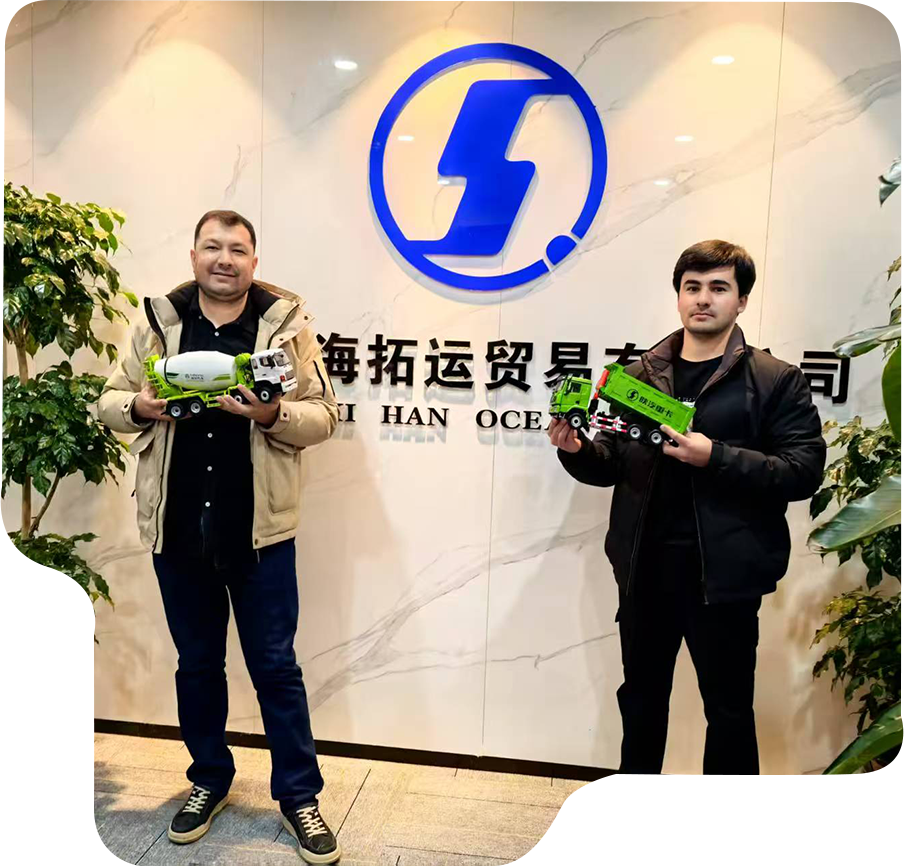
At SHACMAN, we are committed to leveraging cutting-edge technologies to empower our customers to achieve business success. We harness big data to deliver comprehensive, customized solutions that streamline and optimize our customers’ business operations. Our support enables customers to boost operational efficiency, service quality, safety and compliance, as well as enhance engagement with their own customers and partners. We strive to build long-term, mutually beneficial partnerships with our customers, supporting their day-to-day operations and sustainable growth. We are more than just a truck manufacturer – we are your trusted business partner.