
 +86 15596887398
Leave Your Message
-
WhatsApp
-

-

Engineered to meet the intensive demands of modern intercity express networks. These premium commercial vehicles provide unmatched reliability, cargo volume optimization, and fuel efficiency for high-frequency regional parcel delivery operations.
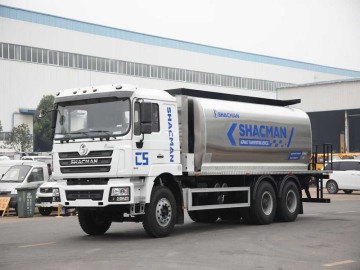
Logistics Hub Construction
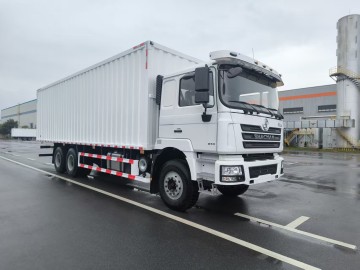
Intercity Courier Fleet
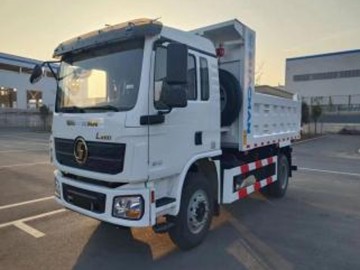
Urban Hub Support
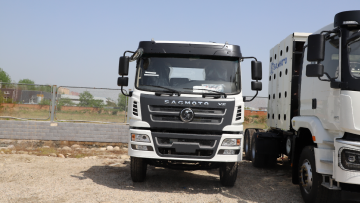
Middle-Mile Express
The global retail landscape has undergone a monumental paradigm shift over the past decade, driven by the exponential growth of e-commerce platforms. As consumers increasingly demand rapid fulfillment, including same-day and next-day deliveries, the logistics networks supporting these services have had to evolve at an unprecedented pace. At the core of this logistical revolution is the "middle-mile" segment—specifically, the transport of goods between regional fulfillment centers, sorting hubs, and urban distribution points located in adjacent cities. The commercial truck is the indispensable workhorse of this intercity e-commerce courier and parcel delivery service sector, bearing the weight of millions of daily shipments.
Unlike traditional freight operations that rely on bulk transportation and flexible shipping windows, e-commerce courier logistics operates under extremely tight schedules. Service Level Agreements (SLAs) dictate precise arrival times at sorting facilities to ensure that downstream parcel sorting, dispatch, and last-mile delivery occur without interruption. Consequently, the commercial trucks deployed in intercity courier services must offer high reliability, optimized volumetric cargo capacity, exceptional fuel efficiency, and state-of-the-art telematics integration to allow real-time fleet tracking and dynamic routing.
Optimized for non-stop hub-to-hub transit cycles, ensuring strict delivery window compliance across regions.
Engineered box configurations maximizing cubic capacity for lightweight, high-volume e-commerce parcels.
Integrated fleet telematics systems that stream diagnostics, location, and route optimization data live.
To fully comprehend the engineering requirements of these vehicles, it is critical to analyze the diverse scenarios in which they operate. The intercity courier ecosystem is not uniform; it consists of multiple specialized transport lanes that demand tailored vehicle specifications:
1. High-Speed Trunk Line Hauling: This is the backbone of intercity logistics. Heavy-duty tractor-trailers, such as the SHACMAN X5000 series, haul double-deck or high-cube trailers between mega-sorting hubs located hundreds of kilometers apart. These vehicles operate almost continuously, often utilizing dual-driver shifts. The primary requirements in this scenario are powertrain durability, high fuel efficiency at highway cruising speeds, and advanced driver assistance systems (ADAS) to mitigate driver fatigue and enhance safety during night runs.
2. Medium-Duty Regional Shuttles: Connecting regional hubs to urban distribution centers typically involves distances of 50 to 200 kilometers. For these routes, medium-duty box cargo trucks, like the SHACMAN F3000 and L3000 series, are ideal. They must navigate a mix of high-speed expressways and congested suburban arterials. Excellent maneuverability, responsive braking, and quick acceleration are vital for maintaining schedules in variable traffic conditions.
3. Cold Chain Parcel Delivery: The surge in online grocery platforms and pharmaceutical e-commerce has led to a major expansion in temperature-controlled parcel delivery. Commercial trucks configured with insulated boxes and high-efficiency refrigeration units are required to transport perishable goods between cities, ensuring that the cold chain remains unbroken from the warehouse to the urban distribution depot.
SHACMAN is a leading manufacturer of heavy-duty trucks in China. With over 50 years of deep engagement in the industry, it has earned a global reputation for its exceptional manufacturing craftsmanship, advanced technologies and robust performance.
We specialize in the full range of light, medium and heavy-duty trucks as well as genuine original spare parts. Our product portfolio covers versatile core models to high-performance flagship models, catering to the diverse transportation needs worldwide. Adhering to independent R&D, we focus on fuel efficiency and safety upgrades. Backed by scientific management and professional services, we ensure every vehicle delivers outstanding cost performance, stable operation and superior durability.
Upholding the philosophy of Integrity & Win-Win and practicing sustainable development, we are committed to providing integrated commercial vehicle solutions for global customers and fulfilling our brand promise of Exceeding Value for Money.
As intercity e-commerce courier and parcel delivery services continue to scale globally, SHACMAN has positioned itself as a premier technology partner for logistics enterprises. By integrating advanced aerodynamics, fuel-efficient engines, and high-strength, lightweight chassis designs, SHACMAN commercial trucks allow fleet operators to decrease transit times, maximize payload volumes, and significantly reduce total operating costs.

The operational landscape of intercity e-commerce courier services is highly competitive, forcing fleet operators to constantly seek ways to optimize efficiency. Several key technological trends are currently redefining the commercial trucks utilized in this sector:
Modern commercial trucks are no longer just mechanical vehicles; they are highly sophisticated, data-generating mobile nodes. Integrated telematics systems continuously monitor engine health, fuel consumption rates, driver behavior, and real-time GPS coordinates. By leveraging big data analytics, logistics companies can predict mechanical failures before they occur, reducing unplanned downtime. Furthermore, AI-powered routing software can dynamically redirect trucks based on traffic patterns, weather conditions, or urgent dispatch requests, ensuring that intercity parcel delivery schedules are consistently met.
Environmental regulations and corporate sustainability targets are pushing the commercial vehicle industry toward cleaner energy solutions. For long-distance intercity trunk lines, high-efficiency diesel engines paired with automated manual transmissions (AMT) remain the standard due to their range and reliability. However, natural gas (LNG) trucks are increasingly popular in regions with developed fueling infrastructures, offering substantial fuel cost savings and lower emissions. For shorter intercity routes, battery-electric (BEV) and hydrogen fuel cell commercial trucks are transitioning from pilot programs to active fleet deployment, paving the way for zero-emission middle-mile logistics.
At highway speeds, aerodynamic drag accounts for a massive portion of a commercial truck's fuel consumption. To combat this, manufacturers are designing cabs with highly swept-back profiles, integrated roof fairings, side skirts, and active grille shutters. These aerodynamic enhancements, combined with low-rolling-resistance tires, allow logistics operators to save thousands of dollars in fuel costs per vehicle annually, directly improving the bottom line of tight-margin courier operations.
With the global logistics industry facing a chronic shortage of qualified long-distance drivers, the design of the truck cab has become a critical factor in driver retention. Modern intercity trucks feature spacious, ergonomic cabs equipped with advanced noise insulation, high-comfort sleeper berths, intuitive dashboard layouts, and advanced climate control systems. By prioritizing driver well-being, fleet operators can reduce fatigue-related accidents and maintain a more stable, experienced workforce.
At SHACMAN, we are committed to leveraging cutting-edge technologies to empower our customers to achieve business success. We harness big data to deliver comprehensive, customized solutions that streamline and optimize our customers’ business operations. Our support enables customers to boost operational efficiency, service quality, safety and compliance, as well as enhance engagement with their own customers and partners. We strive to build long-term, mutually beneficial partnerships with our customers, supporting their day-to-day operations and sustainable growth. We are more than just a truck manufacturer – we are your trusted business partner.

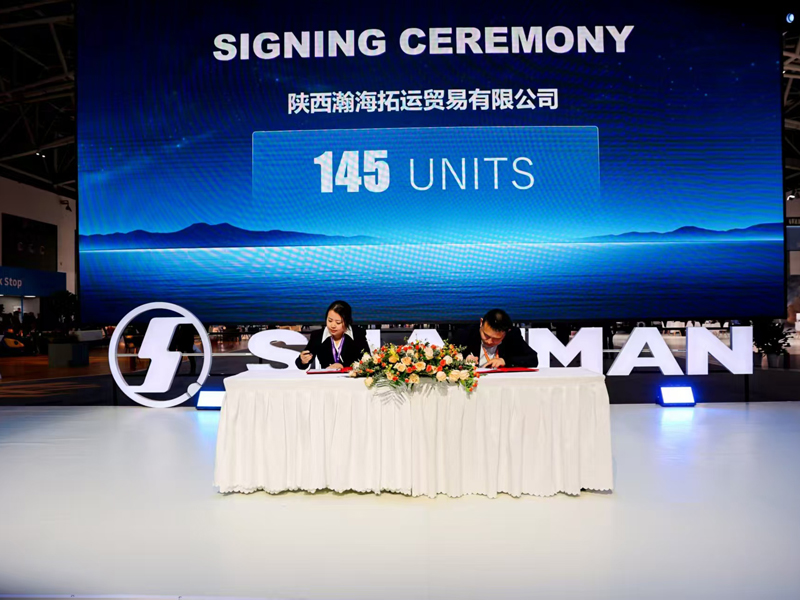


Explore our comprehensive lineup of commercial trucks, specialized support vehicles, and heavy-duty haulers designed to optimize every phase of your intercity e-commerce courier and parcel delivery operations.
Infrastructure Support
Intercity Courier Fleet
Urban Hub Support
Middle-Mile Express
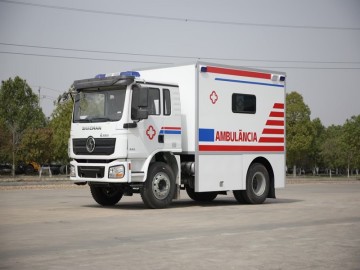
Safety & Support
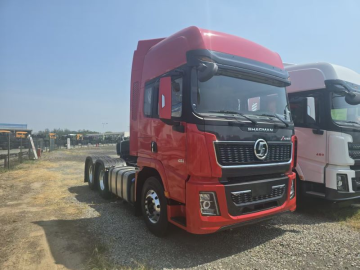
Trunk Line Express
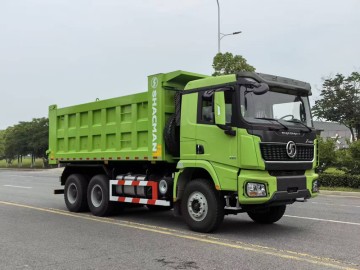
Logistics Infrastructure
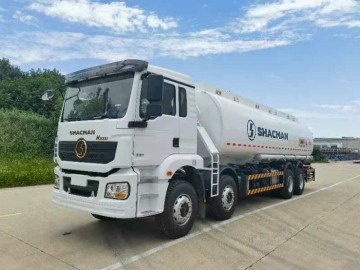
Fleet Refueling & Support