+86 15596887398


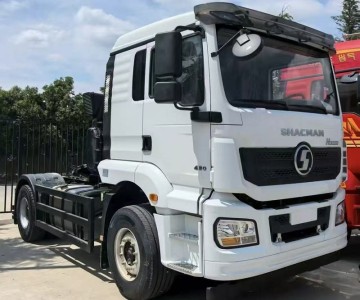
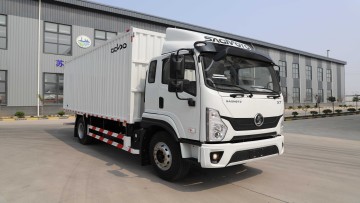
Dumpster Truck For Oil And Gas Exploration In Harsh Desert Terrains
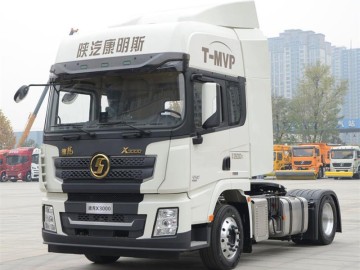
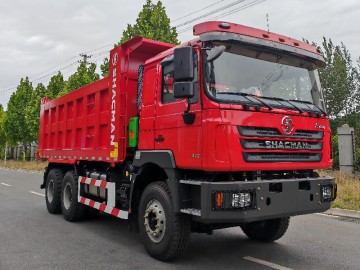
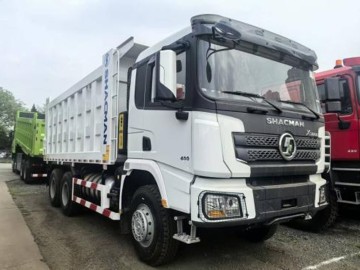
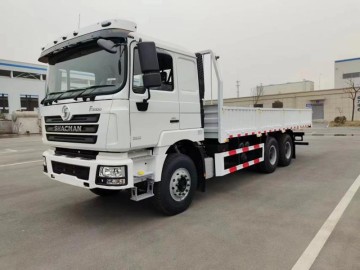
Oil and gas exploration in remote desert environments represents one of the most challenging engineering and logistical frontiers on Earth. To tap into the hydrocarbons hidden beneath shifting sand dunes and vast arid plains, energy companies rely on a highly specialized fleet of heavy vehicles. Among these, the off-road dumpster truck—often configured as a heavy-duty dump truck, cargo transporter, or specialized prime mover—serves as the backbone of logistical operations. Without these robust transport units, establishing drilling sites, hauling structural materials, and managing exploration waste in extreme conditions would be impossible.
The Commercial and Industrial Landscape of Desert Oil & Gas Logistics
In the contemporary energy landscape, easily accessible oil and gas reserves are rapidly depleting. This has forced exploration companies to venture deeper into harsh, undeveloped desert terrains, such as the Rub' al Khali (Empty Quarter) in the Middle East, the Sahara in North Africa, and the Gobi Desert in East Asia. The commercial feasibility of these remote extraction projects hinges almost entirely on supply chain efficiency. Logistics costs can account for up to 30% to 40% of the total capital expenditure (CAPEX) for a desert drilling campaign.
Within this industrial context, heavy-duty dumpster trucks and multi-axle cargo vehicles are not merely support equipment; they are strategic assets. Fleet operators look for vehicles that minimize the Total Cost of Ownership (TCO) through fuel efficiency, low downtime, and high structural durability. Standard highway trucks fail rapidly under these conditions, leading to costly operational delays. Consequently, there is a booming global market for customized heavy trucks equipped with desert-specific modifications, heavy-duty suspension systems, and high-torque engines designed to operate continuously in ambient temperatures exceeding 50°C.
⚙️
Critical Logistics Metric
In desert exploration, a single hour of drilling rig downtime due to delayed logistics can cost operators upwards of $20,000 to $50,000. High-durability trucks are essential to maintaining project timelines.
Engineering Challenges: Surviving Harsh Desert Terrains
Operating heavy machinery in desert terrains presents unique environmental threats that demand sophisticated engineering solutions. The primary challenges include:
- Extreme Thermal Stress: Daytime temperatures in deserts can soar above 50°C (122°F), while nighttime temperatures can drop below freezing. This extreme cycling stresses engine cooling systems, hydraulic fluids, and electronic controls.
- Abrasive Sand and Dust: Microscopic silica particles easily penetrate standard air filters, leading to rapid engine wear. Sand also acts as an abrasive agent on moving parts, bearings, brake assemblies, and hydraulic cylinders.
- Unstable and Shifting Ground: Shifting sand dunes, loose gravel, and salt flats offer extremely poor traction. Standard tires sink immediately under heavy loads, requiring specialized wide-profile off-road tires and advanced tire pressure management systems.
- Vast Distances and Isolation: Exploration sites are often hundreds of kilometers away from the nearest service hub. Vehicles must carry auxiliary fuel tanks, extensive toolkits, and maintain extremely high reliability to prevent crew isolation in life-threatening environments.
Deep Dive into Application Scenarios in Desert Oil & Gas Projects
1. Seismic Surveying and Site Preparation
Before drilling begins, geological teams must map the subsurface using seismic surveying. This involves deploying heavy vibrator trucks and thousands of geophone sensors across vast desert grids. Specialized cargo trucks and lightweight, agile tractor units are used to transport camp infrastructure, water, fuel, and seismic equipment to these mobile bases. The agility and speed of the support fleet directly impact how quickly the seismic grid can be mapped.
2. Heavy Rig Mobilization and Assembly
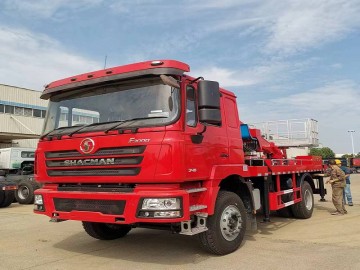
Moving a modern drilling rig is a massive logistical undertaking, often requiring the transport of over 1,500 tons of structural steel, generators, and drilling equipment. This process, known as a "rig move," requires a coordinated fleet of heavy-duty tractor trucks, flatbed cargo haulers, and truck-mounted cranes. In desert terrains, these vehicles must navigate off-road paths without getting stuck. Truck-mounted cranes play a vital role here, allowing crews to self-load and unload heavy components without waiting for separate crane units to arrive at the site.
3. Infrastructure Development and Pipeline Construction
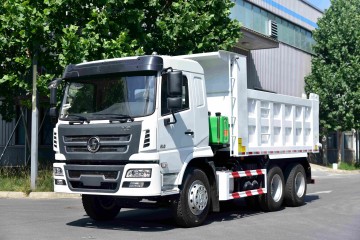
Once a commercial reservoir is discovered, permanent infrastructure must be built. Heavy-duty dumpster trucks are used to haul millions of tons of aggregate, gravel, and sand to construct stable access roads and drilling pads. Additionally, cargo trucks are utilized to transport long steel pipe segments across the desert to build pipelines that will carry the crude oil or natural gas to processing facilities. The structural integrity of the truck frame is put to the test during these heavy hauling operations over uneven, rocky desert terrain.
4. Waste Management and Drilling Fluid Transport
Environmental regulations require oil and gas operators to strictly manage drilling waste, including drilling muds, cuttings, and produced water. High-capacity dumpster trucks, equipped with sealed, leak-proof dump beds, are used to transport these materials to designated disposal facilities. This prevents the contamination of the fragile desert ecosystem and ensures compliance with local environmental laws.
💡
Innovative Sand-Proof Filtration
Modern desert-spec trucks utilize multi-stage oil bath air pre-cleaners. These systems spin out up to 99% of heavy dust and sand particles before the air ever reaches the primary paper filter, extending filter life by up to 500%.
Developmental Trends: The Future of Desert Logistics
The desert oil and gas transport sector is undergoing a rapid technological transformation. One of the most significant trends is the integration of **AI-driven telematics and fleet management systems**. These systems monitor vehicle health in real-time, predicting component failures before they cause a breakdown in the middle of the desert. For instance, tire pressure monitoring systems (TPMS) can automatically alert the driver if a tire is losing pressure or overheating due to high ambient temperatures.
Another major trend is the development of **alternative drivetrains**. While diesel remains the dominant fuel source due to its high energy density and availability, manufacturers are exploring hybrid and Liquefied Natural Gas (LNG) options for desert operations. LNG trucks are particularly attractive in oil and gas fields where natural gas is readily available, allowing operators to fuel their fleets directly from the field resources, thereby reducing logistics costs and carbon emissions.
Finally, **autonomous driving technology** is being tested for desert convoy operations. In vast, unpopulated desert areas, autonomous trucks can follow a lead vehicle equipped with a human driver. This reduces driver fatigue, increases safety, and allows for 24/7 logistics operations, significantly speeding up project timelines.
Preserving Our Core Operational Principles
To support these intense logistical demands, our heavy-duty truck manufacturing division operates on three core pillars: Quality, Safety, and Innovation. These values ensure that every dumpster truck, cargo truck, and tractor unit we deliver is capable of outstanding performance in the world's most demanding environments.