+86 15596887398
Leave Your Message
-
WhatsApp
-

-

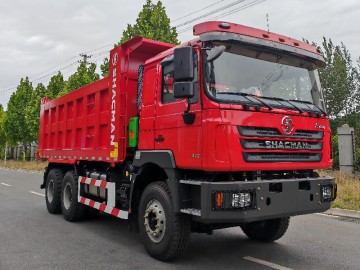
The global oil and gas exploration landscape is increasingly shifting toward remote frontiers, with vast desert basins in the Middle East, North Africa, Central Asia, and Western China serving as primary focal points. These geographical zones present some of the most unforgiving environments on Earth, characterized by shifting sand dunes, extreme temperature fluctuations from sub-zero nights to scorching daytime highs exceeding 50°C, and complete lack of infrastructure. In this challenging context, the role of the heavy dump truck for oil and gas exploration in harsh desert terrains has evolved from basic transport machinery into a highly specialized, mission-critical engineering asset.
Conventional transport vehicles fail within hours in deep desert operations. The combination of loose, low-traction sand and steep dune gradients requires extreme tractive power, specialized high-flotation tires, and advanced all-wheel-drive configurations (such as 6x6 and 8x8). Furthermore, the omnipresence of fine silica dust poses a continuous threat to internal combustion engines, hydraulic systems, and cabin electronics, demanding heavy-duty filtration and cooling systems engineered to military-grade standards. Energy corporations and exploration service providers recognize that logistics downtime in remote desert fields can cost hundreds of thousands of dollars per day, making vehicle reliability and structural durability the ultimate metrics of success.
Equipped with high-displacement engines and multi-stage planetary gearboxes to maintain continuous momentum over soft sand dunes.
Oversized radiators and advanced cooling circuits designed to operate reliably in ambient temperatures up to 55°C.
Oil-bath and cyclone pre-filters that capture 99.9% of fine desert dust before it reaches the combustion chamber.
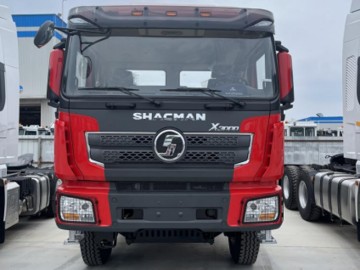
Historically, oilfield logistics relied on standard highway trucks modified with wider tires. However, the rapid expansion of deep-well drilling and horizontal exploration has vastly increased the weight of equipment and structural components. Today's exploration projects require the transport of massive drilling rig subbases, high-pressure fracturing pumps, and thousands of tons of drilling mud and chemicals. This shift has catalyzed the development of heavy-duty tactical dump trucks and multi-axle desert tractor units capable of hauling payloads exceeding 50 tons over trackless sand sheets. The modern desert heavy dump truck integrates robust mechanical architecture with smart telematics to ensure continuous uptime under the harshest operational profiles.
The application of heavy dump trucks and support vehicles in desert oilfield environments extends far beyond simple earthmoving. These vehicles are integral to every stage of the upstream exploration and production lifecycle.
Before drilling begins, geophysical crews must map subsurface geological structures. This involves deploying heavy seismic vibrator trucks and laying out miles of geophone cables. Heavy dump trucks and cargo carriers are deployed to transport geophones, recording cabins, and support machinery across trackless dunes. Because these operations move continuously across vast areas, the vehicles must possess superior off-road maneuvering capabilities to navigate uncharted terrain without getting bogged down in soft sand pockets.
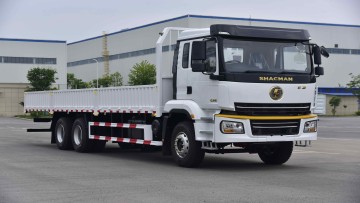
Moving a drilling rig from one wellsite to another—often referred to as a "rig move"—is one of the most complex logistical operations in the oil and gas industry. A single rig move can involve transporting over 1,000 tons of steel structures, engines, mud tanks, and drill pipes. Heavy dump trucks and flatbed tractors operate in tandem, navigating steep desert slopes to deliver these critical loads. Any delay in rig mobilization directly translates to lost drilling time, highlighting the need for high-torque drivetrains and heavy-duty planetary axles that can handle extreme drawbar pull.
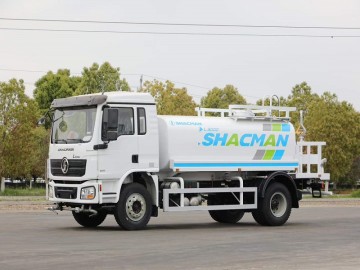
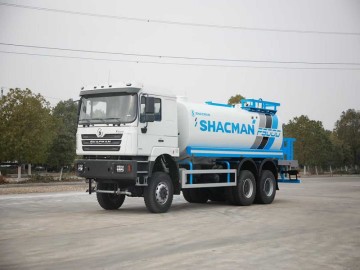
Prior to erecting a drilling rig, the wellsite pad must be graded and compacted to support the immense weight of the derrick. Heavy dump trucks are utilized to haul aggregate, gravel, and clay from distant borrow pits to construct stable well pads and access roads. In addition, specialized water sprinkler trucks (such as the SHACMAN F3000 6x6) are utilized to spray thousands of gallons of water onto the dry sand, facilitating compaction and controlling dust, which otherwise compromises visibility and accelerates machinery wear.
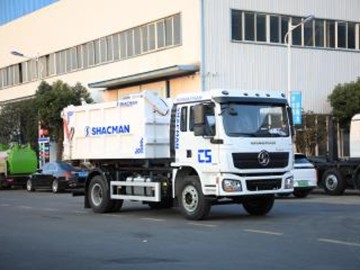
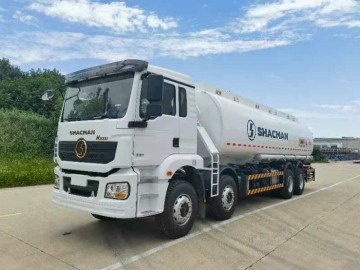
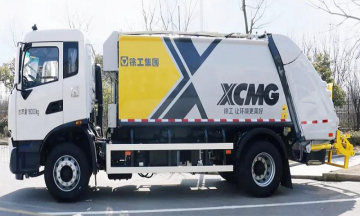
Desert drilling camps are isolated ecosystems that require a continuous influx of consumables. Heavy tank trucks transport diesel fuel to power the rig's generators, while dedicated water tankers supply fresh water for drilling mud formulation and camp consumption. Simultaneously, hook lift trucks and refuse compactors manage the waste generated by the offshore-style desert camps, ensuring compliance with environmental regulations and maintaining sanitary conditions in remote base camps.

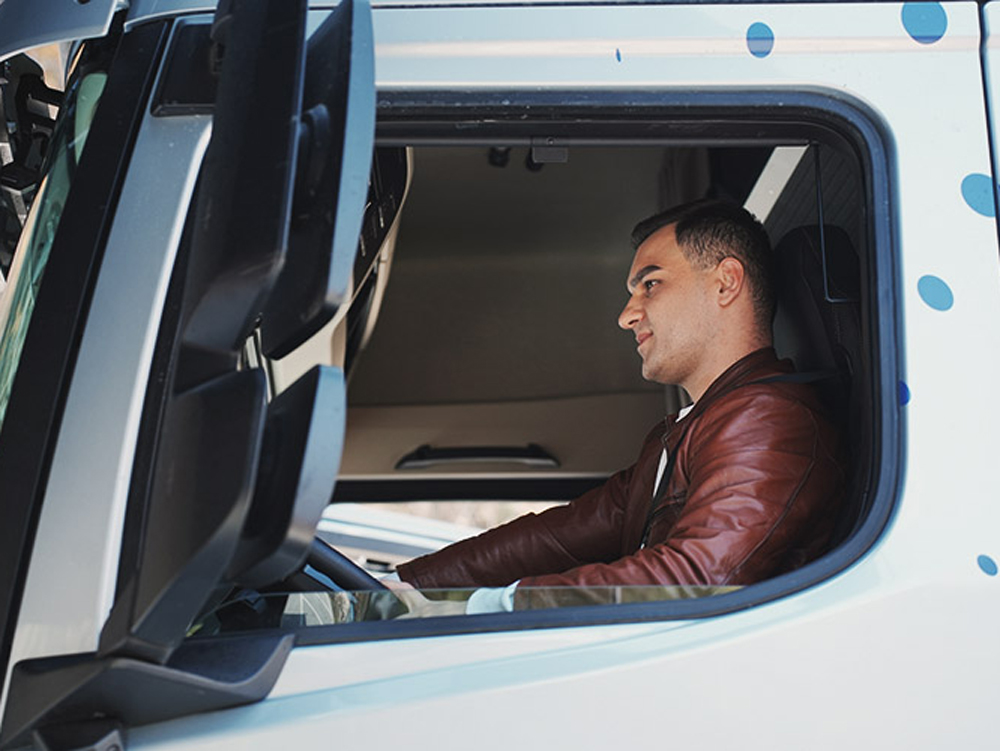

The manufacturing and design of heavy trucks for desert oilfield operations are undergoing rapid technological transformations. As exploration companies target deeper reserves in more remote regions, vehicle manufacturers must integrate state-of-the-art engineering solutions to meet these challenges.
One of the most critical advancements for desert mobility is the Central Tire Inflation System (CTIS). CTIS allows the driver to adjust tire pressure directly from the cabin while the vehicle is in motion. When transitioning from hard-packed desert roads to soft, shifting dunes, the driver can reduce tire pressure to increase the tire's footprint (contact patch). This significantly reduces ground pressure, preventing the heavy truck from sinking and maximizing traction. Once back on firmer ground, the tires can be reinflated to normal pressures to ensure high-speed stability and reduce tire wear.
In deep desert terrains, cellular network coverage is non-existent. Modern heavy dump trucks designed for these environments are increasingly equipped with dual-mode telematics systems that automatically switch to satellite communication when cellular signals are lost. This allows fleet managers to track vehicle coordinates in real-time, monitor engine health, and receive diagnostic trouble codes. Predictive maintenance algorithms analyze data such as oil temperature, transmission slip, and air filter restriction, allowing maintenance teams to address potential mechanical issues before they lead to a catastrophic breakdown in the middle of the desert.
Operating a heavy dump truck over rough desert terrain is physically demanding. Shifting sand dunes, corrugated gravel tracks, and extreme heat contribute to rapid driver fatigue, which is a leading cause of off-road accidents. Modern cabs are designed with advanced air-suspension seating, heavy-duty air conditioning systems with dust filtration, and ergonomic control layouts. Noise, vibration, and harshness (NVH) levels are minimized through high-grade cabin insulation, ensuring that operators remain alert and productive throughout long shifts.