+86 15596887398
Leave Your Message
-
WhatsApp
-

-

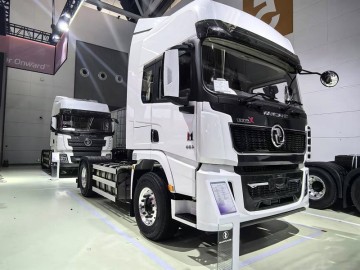
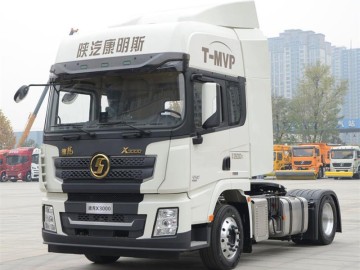
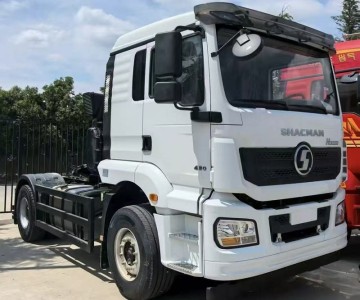
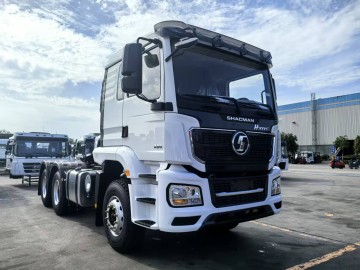
The Sultanate of Oman is strategically positioned at the crossroads of global trade routes linking East Asia, the Indian subcontinent, East Africa, and Europe. With a massive coastline along the Arabian Sea and the Gulf of Oman, the nation serves as a pivotal maritime gateway. Guided by the ambitious Oman Vision 2040, the country is rapidly diversifying its economy away from oil dependency, transforming itself into a world-class logistics and industrial hub. The success of this economic transition relies heavily on the strength of its domestic and cross-border land transport networks. Consequently, high-quality semi tractors have become the indispensable backbone of Oman’s industrial movement.
From the deep-water ports of Sohar, Salalah, and Duqm to the rugged oil concessions in the interior deserts, heavy-duty transport vehicles are required to pull massive payloads. Whether hauling shipping containers, dry bulk minerals, construction machinery, or petrochemicals, fleet operators require premium prime movers that can deliver maximum uptime, low fuel consumption, and compliance with strict regional regulations. Partnering with a reliable semi tractor factory and supplier that understands the unique demands of the Middle Eastern market is a critical factor for business success in Oman.
Oman's geography presents distinct challenges. Major industrial cities and ports are separated by vast desert stretches and steep mountain ranges, such as the Al Hajar Mountains in the north and the Dhofar range in the south. A typical long-haul journey from Muscat to Salalah covers over 1,000 kilometers of desert highway (Route 31), where temperatures routinely exceed 50°C in summer. Semi tractors operating here must be specifically engineered to handle extreme heat, abrasive sand, and continuous long-distance operations without overheating or mechanical failure.
Different sectors of the Omani economy place unique demands on commercial vehicle fleets. High-quality semi tractor manufacturers must offer tailored solutions to meet these diverse application scenarios:
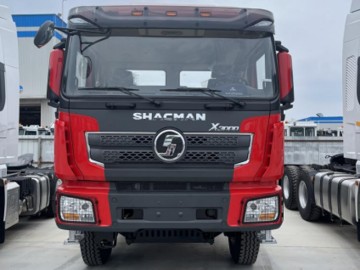
Oman’s ports are among the most efficient in the world. The Sohar Port and Freezone serves as a gateway to the GCC, requiring a constant stream of 4x2 and 6x4 tractor trucks to move import and export containers to Muscat, Nizwa, and across the border into the United Arab Emirates and Saudi Arabia. For these high-speed, long-distance highway routes, fuel efficiency and aerodynamic design are paramount. Agile models like the SHACMAN X5000 4x2 provide the perfect solution, reducing fuel consumption and operational costs for fleet operators.
The oil and gas sector remains a critical pillar of Oman's economy. Concession areas operated by companies like Petroleum Development Oman (PDO) are located in remote, inhospitable desert regions like Marmul, Nimr, and Fahud. Moving drilling rigs, heavy pipes, and specialized equipment across unpaved desert tracks requires heavy-duty 6x4 prime movers. These trucks must feature high-torque engines, reinforced chassis frames, and multi-stage air filtration to prevent sand ingestion. Furthermore, they must comply with the strict PDO SP2000 and SP2001 safety specifications, which mandate roll cages, speed limiters, and advanced driver assistance systems.
Oman possesses abundant mineral wealth, including gypsum, limestone, marble, and copper. The Dhofar region is a major global exporter of high-grade gypsum. Transporting millions of tons of minerals from quarries to the Port of Salalah demands robust 6x4 semi tractors pulling high-capacity tipper trailers. The trucks must navigate steep, winding mountain passes, requiring powerful auxiliary braking systems like engine compression brakes and hydraulic retarders to ensure safe descents under heavy loads.


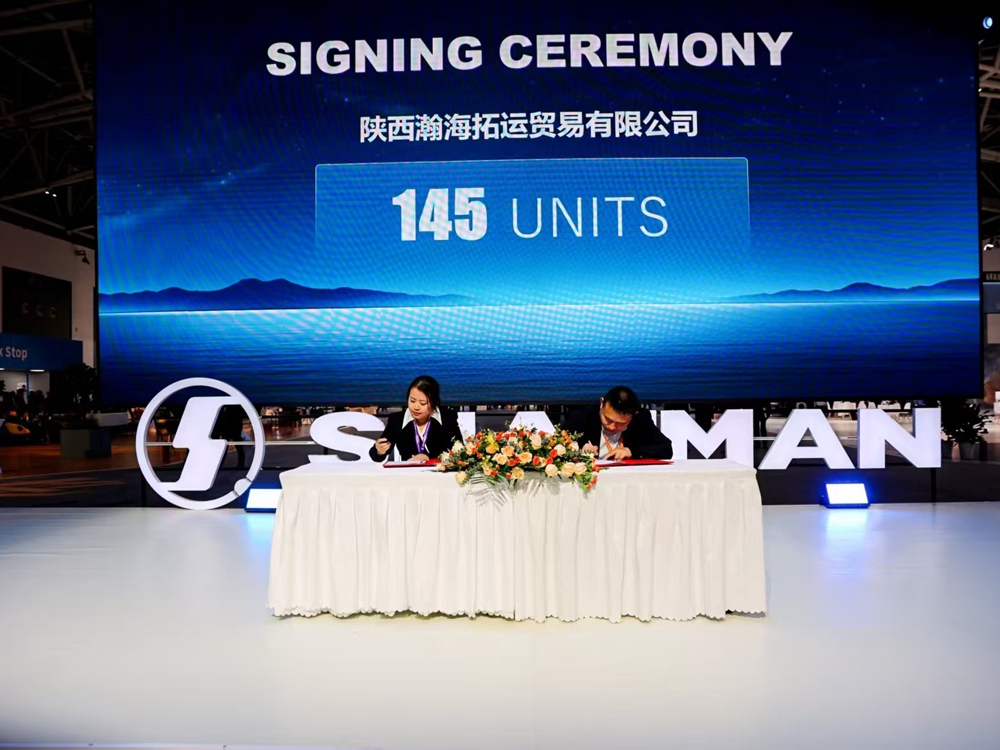
Standard heavy-duty trucks designed for temperate climates often struggle in the Middle East. As a dedicated semi tractor supplier serving the Oman market, our vehicles undergo comprehensive engineering modifications to guarantee top-tier performance:
The logistics and transport sector in Oman is evolving rapidly. Fleet operators are looking beyond the initial purchase price, focusing on the Total Cost of Ownership (TCO). Key trends shaping the market include:
Real-time vehicle tracking, fuel monitoring, and driver behavior analysis are becoming standard requirements for Omani fleets. Fleet managers use these tools to optimize routes, reduce idling time, prevent fuel theft, and schedule preventive maintenance, thereby reducing unexpected downtime.
In line with global sustainability goals and Oman's commitment to reducing greenhouse gas emissions, there is a growing demand for highly efficient diesel engines that meet Euro V and Euro VI standards, as well as exploration of alternative fuels like LNG (Liquefied Natural Gas) for heavy-duty long-haul transport.
With major corporate clients like PDO, BP Oman, and OQ enforcing strict transport safety guidelines, suppliers must offer trucks equipped with advanced driver-assistance systems (ADAS), electronic stability control (ESC), and robust rollover protection structures (ROPS).