+86 15596887398
Leave Your Message
-
WhatsApp
-

-

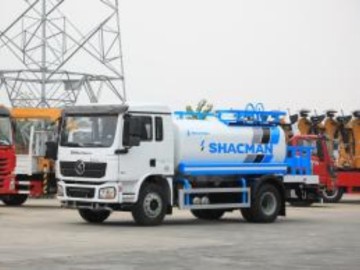
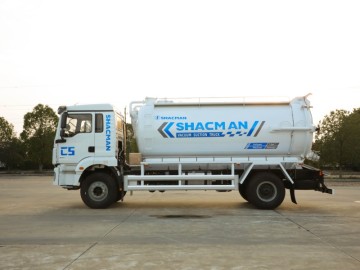
In modern industrial logistics, the term "tipper vehicle" often conjures images of heavy gravel, sand, and mining debris. However, as supply chains grow increasingly complex and global demand for fresh produce and temperature-sensitive medical compounds skyrockets, heavy-duty engineering is merging with thermal science. The specialized tipper vehicle configured for cold-chain fresh food and pharmaceutical distribution represents a major technological leap. These vehicles are no longer just basic transport units; they are mobile, climate-controlled environmental systems engineered to move bulk perishable cargo and raw pharmaceutical compounds while maintaining absolute thermal integrity.
Advanced polyurethane insulation and double-sealed hydraulic tailgates prevent thermal bridges, maintaining interior temperatures between -25°C and +15°C.
Integrated temperature monitors, GPS tracking, and hydraulic pressure sensors stream real-time logistics analytics directly to fleet managers.
Constructed with food-grade SUS304/SUS316L stainless steel interiors, ensuring zero chemical contamination and effortless chemical washdowns.
The global cold-chain logistics market is experiencing exponential growth, driven by changing consumer habits, urbanization, and strict regulatory frameworks like the FDA’s Food Safety Modernization Act (FSMA) and the European Union’s Good Distribution Practice (GDP) guidelines for medicinal products. Traditionally, cold-chain logistics relied heavily on standard refrigerated box trucks (reefers). However, reefers are optimized for palletized cargo and packaged items. They fail to deliver operational efficiency when dealing with bulk, unpalletized raw ingredients, agricultural harvests, marine catches, or large-volume pharmaceutical inputs.
This is where the specialized tipper vehicle enters the commercial landscape. For industries handling bulk fresh food (such as raw seafood transported in crushed ice, harvested grapes, sugar beets, or processing-grade vegetables) and large-scale pharmaceutical raw materials (like fermentation biomass, biological waste, or bulk chemical intermediates), manual unloading is economically unviable and introduces significant contamination risks. A temperature-controlled tipper vehicle enables rapid, touchless discharge of massive bulk volumes directly into processing hoppers, cutting unloading times from hours to minutes, minimizing temperature fluctuations, and reducing labor costs.
In the industrial seafood sector, keeping fresh catches at near-freezing temperatures is critical to prevent bacterial growth and histamine formation. Once a fishing vessel docks, tons of fish packed in crushed ice must be quickly moved to processing plants. Standard tipper trucks leak melt-water and lack insulation, causing the ice to melt and the cargo to spoil. A cold-chain tipper vehicle features a sealed, insulated cargo body with an integrated drainage and filtration system. The thermal insulation prevents the ice from melting, while the hydraulic tipping mechanism lets the truck discharge the entire load of iced fish directly into the processing facility's intake system, preserving the cold chain from dock to plate.
The pharmaceutical industry relies on bulk fermentation processes to produce vaccines, antibiotics, and active pharmaceutical ingredients (APIs). These processes generate vast amounts of biological raw materials and organic waste that must be kept at precise temperatures to prevent degradation or biohazard leaks. Insulated tipper vehicles with hermetic hydraulic seals are essential here. They transport these sensitive materials between fermentation facilities and extraction plants. The automated tipping action ensures that personnel do not come into direct contact with the biological materials, maintaining a sterile environment and preventing cross-contamination.
During peak harvest seasons, processing plants for frozen vegetables, juices, and purees operate around the clock. Freshly harvested crops must be transported from fields to processing plants within tight timeframes. Standard open-top tippers expose crops to ambient heat, accelerating spoilage and nutrient loss. Insulated tippers with retractable thermal covers and integrated cooling units protect the harvest from solar radiation and heat buildup. Upon arrival, the tipping mechanism discharges the crop directly onto washing conveyors, ensuring maximum freshness and processing yield.
To meet the demands of both heavy-duty hauling and precise temperature control, modern tipper vehicles incorporate several engineering innovations:
The future of cold-chain tippers is closely tied to the broader trends of commercial vehicle electrification and smart fleet management. As cities enforce strict low-emission zones, logistics operators are transitioning to hybrid and fully electric heavy-duty chassis. Electric tippers use high-capacity battery packs to power both the drivetrain and the refrigeration unit, eliminating emissions during transit and unloading. Furthermore, the integration of autonomous tipping controls and automated loading docks will further reduce human intervention, maximizing safety and efficiency in the cold chain.