
 +86 15596887398
Leave Your Message
-
WhatsApp
-

-

Engineered to withstand the relentless operational tempo of commercial ready-mix concrete suppliers and municipal civil engineering projects. High-durability equipment delivering proven operational longevity and uptime.
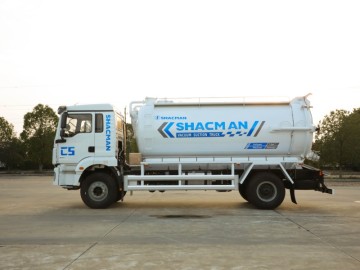
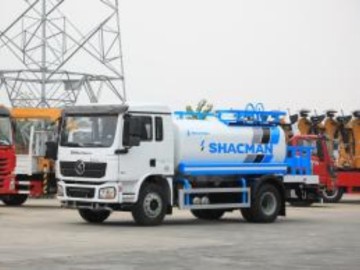
Metropolitan civil expansion, mass rapid transit construction, underground utility tunnels, and multi-tier highway flyovers represent the defining hallmarks of 21st-century urban engineering. At the structural core of this relentless transformation lies a synchronized logistics loop comprising raw aggregate extraction, cement clinker conveyance, batching plant formulation, and on-site ready-mix concrete placement. Within this interdependent ecosystem, specialized tipper vehicles and auxiliary municipal platforms function not merely as transport units, but as mission-critical production assets whose mechanical availability directly governs construction scheduling integrity and project profitability.
Commercial ready-mix concrete (RMC) suppliers operate under severe operational restrictions. Concrete is a perishable chemical composite characterized by strict initial setting windows—typically ranging from 90 to 120 minutes from batching to continuous agitation and final pour. The production plants that create this material consume millions of metric tons of coarse gravel, crushed limestone, river sand, and volcanic pozzolans annually. If the tipper vehicle fleets transporting these input aggregates suffer mechanical downtime, aggregate bins run empty, kilns stall, and pouring schedules across hundreds of downtown job sites face cascading operational paralysis.
Simultaneously, municipal zoning authorities worldwide are implementing stringent environmental mandates, low-emission zones (LEZ), axle-load distribution regulations, and noise pollution ceilings. Tipper vehicles engineered for modern urban civil infrastructure must satisfy a multi-objective optimization problem: delivering maximum volumetric payload efficiency and extreme chassis torsional rigidity to traverse soft excavation pits, while maintaining compact turning radii, ultra-clean emissions, and active pedestrian safety envelopes to navigate narrow, congested central business districts.
High-tensile alloy steel rails (850 MPa yield strength) treated with multi-stage cathode electrodeposition, resisting twisting forces during uneven dumping on unstable construction ground.
Electronically controlled common-rail diesel platforms outputting high low-end torque (up to 2,200 Nm below 1,100 RPM), combined with automated mechanical transmissions for continuous stop-and-go efficiency.
Multi-stage telescopic cylinders boasting rapid lifting cycles (<16s) and controlled, shock-damped descent profiles that shield vehicle chassis members from shock wave stress.
The mission profiles of tippers supporting ready-mix concrete operators and municipal infrastructure contractors extend far beyond standard highway haulage. These vehicles are exposed to high dynamic loads, abrasive abrasive dust environments, structural vibration, and frequent stop-start cycles that severely test traditional mechanical assemblies.
A standardized 120 m³/h commercial batching facility consumes approximately 240 metric tons of aggregate, 60 tons of cement, and thousands of liters of admixtures every hour during peak continuous pours. Tipper vehicles serving as feedstock shuttles operate in tight 15 to 45-kilometer delivery radiuses, cycling between hard-rock quarries, river dredging terminals, and elevated concrete plant charging hoppers. Fast tipping cycles, abrasive-resistant body liners (such as Hardox steel plates), and automatic pneumatic tailgate latches are paramount to prevent material sticking and cycle delays.
In deep basement excavation and underground subway station projects, tippers are required to descend steep 18% to 22% subterranean temporary haul ramps covered in wet clay, slurry, and fractured rock. The powertrain requires high reduction planetary hub axles, inter-wheel and inter-axle differential locks, and high ground clearance approach angles. Braking systems must incorporate engine decompression brakes and hydraulic retarders to ensure total descent safety without overheating friction linings.
Ready-mix concrete manufacturing produces substantial volumes of truck wash-out wastewater, alkaline slurry, and sediment buildup in aggregate settling ponds. Dedicated municipal support variants—such as vacuum sewage cleaning tippers and high-pressure washing vehicles—maintain environmental compliance across plant premises and adjoining urban roadway corridors, ensuring zero illegal runoff into city storm sewers.
| Operational Metric | Standard Commercial Dump Truck | Heavy-Duty Urban Infrastructure Tipper | Dedicated RMC Auxiliary Platform |
|---|---|---|---|
| Chassis Tensile Strength | 510 – 610 MPa Single Layer | 850+ MPa Reinforced Double/Triple Flange | 700 MPa Optimized Utility Rail |
| Axle Configuration | 6×4 Single Reduction | 6×4 / 8×4 Hub Reduction with Diff-Locks | 4×2 / 6×4 Specialized Wheelbase |
| Hydraulic Cycle Time | Lift: 22s | Lower: 18s | Lift: 14-16s | Lower: 12s Damped | Continuous Hydraulic Auxiliary PTO |
| Dust & Water Ingress | Standard IP54 Harnesses | IP67 Sealed Connectors & Breathers | IP68 Waterproof Electrical Architecture |
| Telematics & Axle Weighing | Optional GPS Fleet Tracking | Integrated On-Board Weighing (OBW) & AI Camera | Integrated Flow-Rate & Pressure Sensors |
During urban arterial resurfacing, tipper vehicles interface directly with continuous road asphalt pavers and cold milling machinery. This demands extremely smooth creep-speed transmission calibrations (under 2 km/h) without clutch overheating, along with heat-insulated asphalt dump bodies equipped with electric canvas tarp systems to preserve asphalt binder temperature above 150°C during cold-weather paving operations.
Built upon decades of engineering mastery, our manufacturing legacy combines precision heavy-truck engineering with an uncompromising commitment to customer-driven durability, driver life safety, and sustainable innovation.

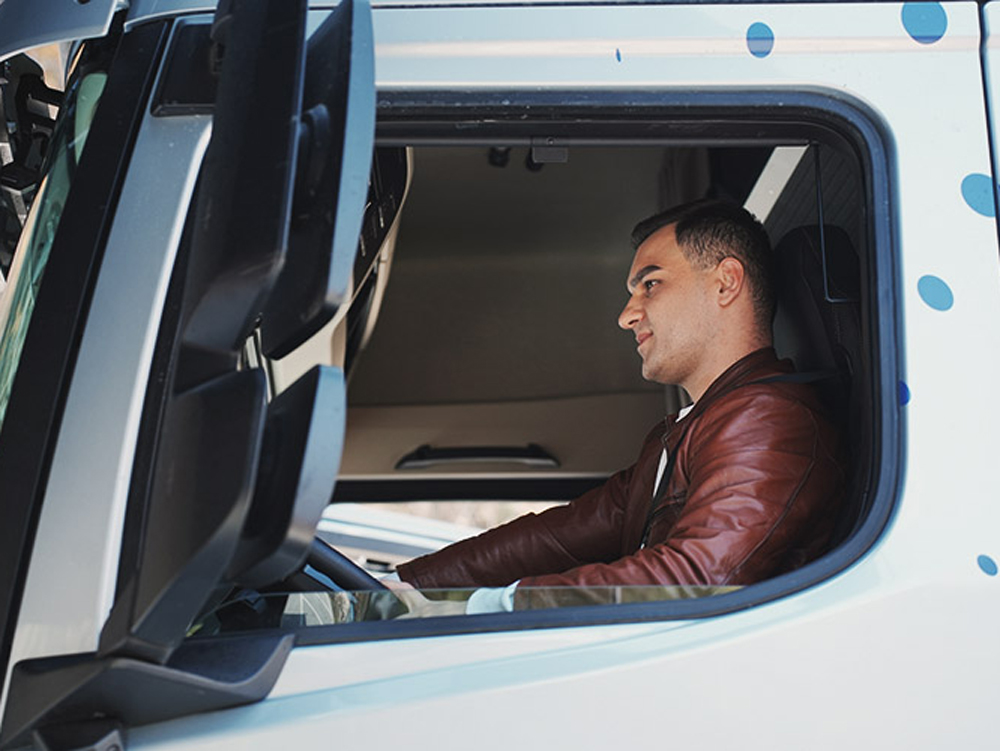
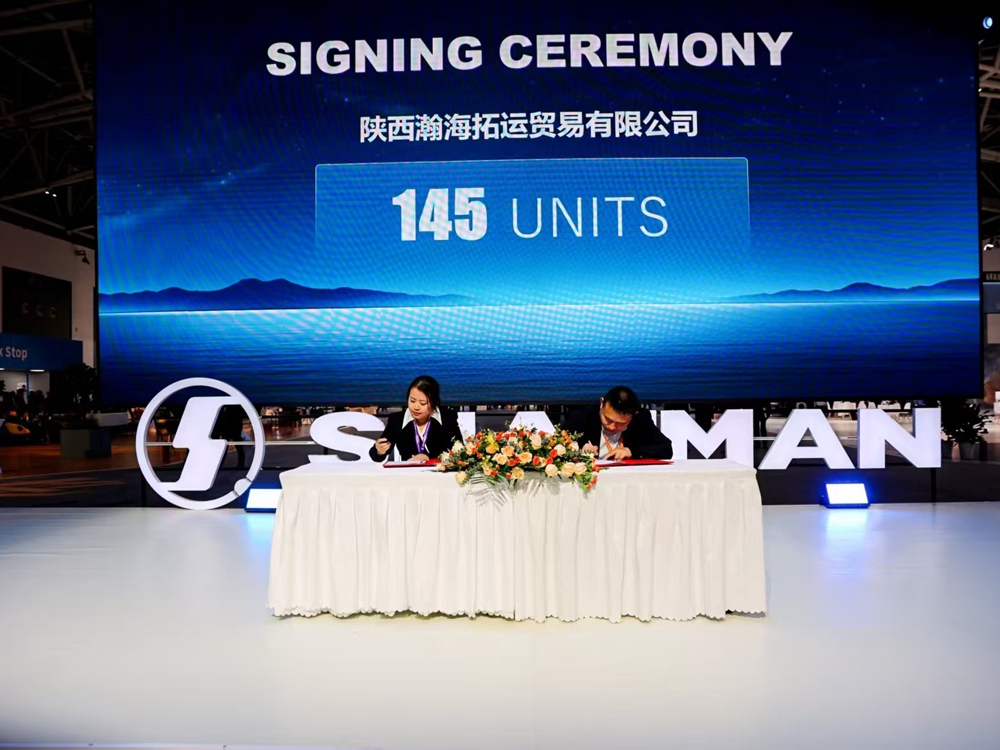
As commercial concrete producers and municipal contractors target net-zero carbon pledges, the vocational tipper segment is undergoing the most radical technological evolution since the advent of internal combustion engines. Battery Electric Vehicles (BEV) and Fuel Cell Electric Vehicles (FCEV) are migrating rapidly from experimental pilot fleets into standard operations across urban low-emission zones.
Pure electric heavy tippers powered by lithium-iron-phosphate (LFP) chemistry with centralized battery swap capabilities can recharge or replace spent packs in under five minutes. For short-haul aggregate shuttles operating along fixed routes between suburban quarries and inner-city batching nodes, battery swapping eliminates downtime and reduces per-ton fuel expenditures by upwards of 40% compared to conventional diesel tractors. Furthermore, regenerative braking recuperates energy on downhill descent runs, returning substantial kilowatt-hours directly into the battery pack while sparing mechanical foundation brakes from thermal degradation.
In conjunction with zero-emission propulsion, intelligent vehicle architectures leverage edge-computing IoT devices. On-Board Weighing (OBW) sensors transmit axle payload metrics in real time over 5G networks, eliminating dangerous overload states that damage municipal bridges while preventing under-loading inefficiencies. Predictive health management algorithms continuously evaluate differential lubricant viscosity, oil soot loading, hydraulic hoist pressure spikes, and brake pad wear—alerting maintenance supervisors to execute proactive interventions before an on-road breakdown halts batching operations.
Automated aggregate dumping permission systems triggered only when satellite positioning confirms exact plant intake hopper coordinates, preventing cross-contamination of aggregates.
Application of composite lightweight steels and wear-resistant structural floors maximizes net legal payload margins by up to 1,500 kilograms per transport cycle.
Millimeter-wave radar arrays and AI blind-spot optical cameras identify cyclists and pedestrians near the vehicle's turning arc in busy urban delivery scenarios.
Browse our comprehensive lineup of heavy-duty municipal and construction support platforms engineered for ready-mix batch plants, infrastructure contractors, and metropolitan civil works.