+86 15596887398
Leave Your Message
-
WhatsApp
-

-

Deploying cutting-edge 4×2 and 6×4 tractor units built specifically to handle high-capacity liquid tanker semi-trailers with unmatched dynamic stability and fuel economy.
Downstream petroleum replenishment forms the circulatory system of global transport and industrial economies. Heavy tractor trailers bridge primary catalytic cracking refineries and coastal bulk fuel tank farms directly to retail gasoline forecourts, municipal bus depots, and civil aviation reserves, maintaining continuous operation without inventory starvation.
Carrying highly flammable Class 3 dangerous liquids—such as Unleaded 95/98 gasoline, ultra-low sulfur diesel, and aviation kerosene—mandates strict compliance with international ADR, DOT-406, and national dangerous goods transportation frameworks. Chassis integrity and electrical grounding are paramount.
Modern gas stations operate on slim underground storage buffer margins (often 24 to 48 hours of sales volume). Tractor trailer prime movers must maintain 99.8% mechanical availability, navigating congested urban arteries and high-speed toll networks to execute uncompromised night and day multi-drop replenishment.
The contemporary downstream energy landscape is undergoing monumental structural changes driven by fluctuating oil prices, stringent decarbonization mandates, and the digital transformation of fleet management. Petroleum logistics operators are challenged to minimize tare weight, maximize legal liquid payload per trip, prevent evaporative emissions (VOCs), and guarantee zero-spill operations under severe operating temperatures ranging from -35°C arctic winters to +50°C desert heatwaves.
To address these multi-variable logistical parameters, modern tractor units coupling with multi-compartment aluminum alloy or stainless steel semi-trailers have evolved from standard freight haulers into highly specialized mobile hazmat powerhouses. The integration of explosion-proof electrical harnesses, spark arrestors, high-efficiency retarders, and telematics-integrated electronic braking systems ensures that every cubic meter of hydrocarbon payload arrives securely at the dispenser sump.
Handling fluid cargo presents unique vehicle dynamics due to continuous liquid surge and shifting centers of gravity during acceleration, deceleration, and high-speed cornering.
When pulling 30,000 to 50,000-liter tanker trailers, the prime mover must deliver predictable low-RPM torque while preventing driveline shock that could destabilize fluid baffles. Equipped with advanced high-displacement diesel engines producing up to 550 horsepower and 2500 Nm of torque, paired with automated manual transmissions (AMT) featuring specialized tank-transport software, our tractors deliver seamless gear shifting without torque interruption.
Furthermore, Electronic Stability Control (ESC), Anti-Slip Regulation (ASR), and Roll Movement Intervention (RMI) systems continuously analyze lateral acceleration and yaw rates. If a rollover threshold is approached during sharp roundabout navigation or highway exit ramps, individual wheel brakes are actuated instantaneously to bring the combination back into equilibrium.
Different stages of the downstream petroleum distribution matrix impose distinctly varied demands on tractor trailer powertrains, wheelbases, and cabin ergonomic configurations.
Operating Profile: Continuous 24/7 trunkline haulage between major coastal oil refineries, pipeline railheads, and inland provincial distribution hubs (200km - 800km per leg).
Vehicle Demand: Heavy-duty 6×4 tractors with high-torque engines (480-550HP), dual high-capacity fuel tanks for extended range, dual-sleeper cabins for two-driver rotation teams, and maximum gross combination weight (GCW) up to 50–60 tons.
Operating Profile: Regional distribution from intermediate terminals to 4-8 dense urban retail forecourts daily. Navigating roundabouts, tight radius station corners, and congested streets.
Vehicle Demand: Agile 4×2 or compact 6×4 prime movers with short wheelbases (3200-3400mm), 360-degree blind-spot surround monitoring, low-entry cabs for frequent driver ingress/egress, and rapid PTO hydraulic pump connectivity for high-speed unloading.
Operating Profile: Heavy diesel replenishment for open-pit mining operations, mega infrastructure construction projects, agricultural farming co-ops, and remote desert power generators.
Vehicle Demand: Enhanced heavy-duty 6×4 tractors featuring reinforced double-layer chassis rails, hub-reduction rear drive axles with cross and inter-wheel differential locks, high ground clearance, and multi-stage desert air filters.
The intersection of AI analytics, cloud fleet dispatching, and alternative fuels is shaping the next generation of hydrocarbon transport machinery.
Modern petroleum replenishment cannot tolerate transit volume discrepancies, cross-contamination, or fuel adulteration. Intelligent SHACMAN telematics hardware interfaces directly with tanker valve sensors and electronic seal management systems. The tractor's onboard computing gateway continuously tracks GPS location, route compliance, engine fuel burn, and bottom-valve discharge locks.
If an unapproved tank manifold opening is detected outside an authorized geofenced gas station zone, real-time alerts are instantly transmitted to the central command center, and the tractor's engine management system can remotely limit torque to immobilize unauthorized fuel drainage.
As international oil majors and state petroleum corporations pursue aggressive Scope 1 and Scope 2 carbon emission cuts across their supply chains, tractor fleets are rapidly adopting liquefied natural gas (LNG) and hybrid prime movers. LNG-powered heavy tractors offer up to 20% carbon dioxide reduction, negligible particulate matter, and substantial fuel cost savings on high-mileage trunk replenishment routes exceeding 100,000 kilometers per annum.
Furthermore, aerodynamic cab redesigns, low rolling resistance intelligent tire inflation systems, and high-strength lightweight alloy chassis brackets contribute directly to lowering operational emissions per ton-kilometer transported.
Our global manufacturing excellence and safety pedigree back every heavy-duty tractor delivering volatile energy across the world's most demanding transport corridors.


We care deeply about the well-being of drivers, passengers and other road users. For this reason, our trucks are equipped with a full range of advanced active safety features and technologies, including Autonomous Emergency Braking, reverse assist systems, Tire Pressure Monitoring Systems, Intelligent Speed Assistance, 360-degree surround view systems, and driver drowsiness and attention detection. These features work together to prevent accidents, reduce injury risks and enhance driving performance.
In addition to active safety configurations, SHACMAN trucks are fitted with sophisticated passive safety measures such as reinforced cabin frames, specially engineered crash zones and active airbag systems, all designed to effectively protect occupants in the event of a collision. We also provide professional driver and service training to ensure the proper operation and maintenance of our trucks.
Our ultimate goal is to ensure that our customers can complete every journey safely and reliably and return home to their families. A SHACMAN truck is your trustworthy partner on the road.
Continuous innovation is essential to meeting the ever-growing demands of our customers, the industry and society at large. That is why we invest heavily in developing innovative solutions to address key challenges in truck transportation, including fuel efficiency, environmental impact, safety and productivity.
Our smart technologies deliver real-time feedback, alerts and guidance during vehicle operation, empowering drivers with actionable insights for optimized driving. Through these innovations, we help drivers streamline route planning, cut fuel consumption, reduce emissions and prevent accidents, all while enabling a more comfortable and rewarding driving experience.
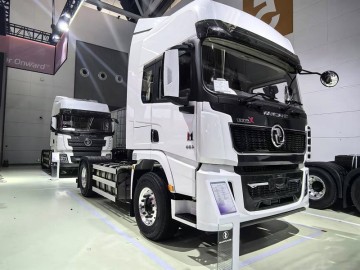
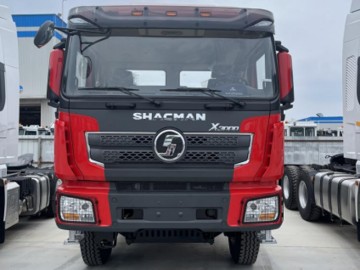
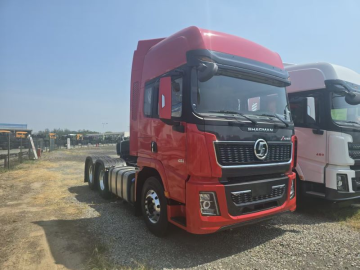
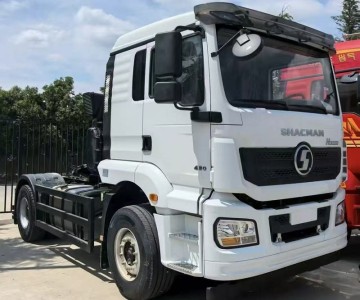
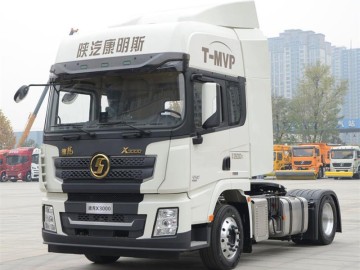
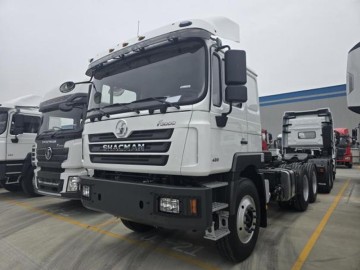
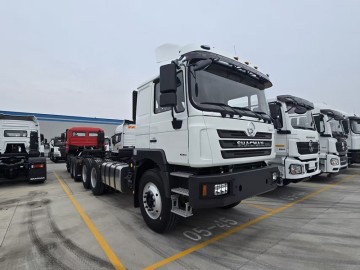
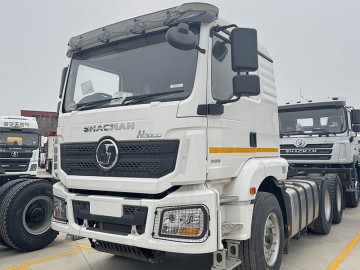
Select from our comprehensive lineup of tractor trucks, precision-engineered for various haulage lengths, gross payload targets, and environmental operating conditions.
Downstream petroleum replenishment fleets cannot afford unexpected on-highway breakdowns. A ruptured air line or a seized wheel hub bearing on a fully loaded 45,000L fuel tanker introduces catastrophic safety liabilities. Preventive maintenance regimens must incorporate high-frequency inspections of electrical anti-spark conduits, fifth-wheel kingpin locking mechanisms, ground bonding cables, and brake pad wear sensors.
SHACMAN tractors feature computerized instrument clusters that monitor air reservoir pressures, engine oil viscosity degradation, transmission fluid temperatures, and differential thermal levels in real time, alerting maintenance managers before component thresholds are breached.
Human factors remain central to hazardous materials transport. Our ergonomically engineered cabs are fitted with air-suspended orthopedically contoured driver seats, multi-function steering wheels, low-glare digital dashboards, and soundproof insulation maintaining interior cabin noise below 65 dB(A). By significantly mitigating driver fatigue during long night shifts between terminals and retail petrol stations, our tractor units actively safeguard lives, expensive capital equipment, and surrounding communities.