+86 15596887398
Leave Your Message
-
WhatsApp
-

-

High-payload configurations engineered with reinforced chassis structures, planetary axles, and high-torque powertrains for hostile quarry and mineral haulage environments.
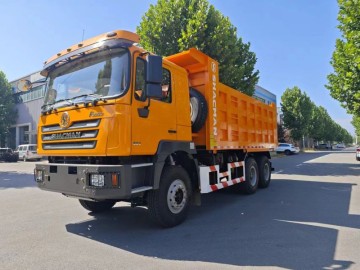
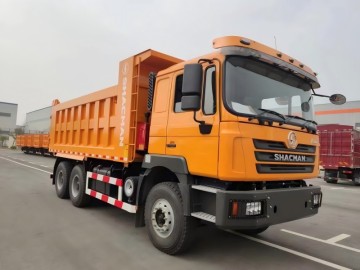
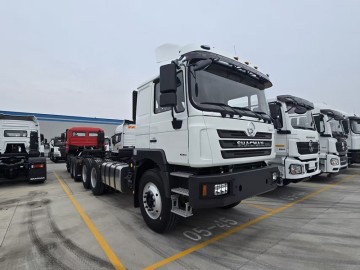
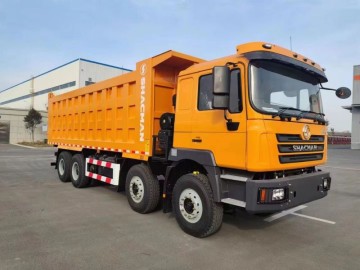
Analyzing operational realities, engineering architectures, and fleet economics driving the transition toward high-efficiency heavy transport lorries in contemporary surface mines.
The global mining sector is experiencing an unprecedented structural shift. Rapid global electrification, infrastructure modernization, and clean-energy transitions have propelled historic demand surges for critical raw materials, including copper, nickel, bauxite, lithium, iron ore, and manganese. In open-pit (surface) mining operations, the logistical bottleneck has decisively shifted from ore fragmentation and shovel loading to continuous material haulage.
Historically, surface mines relied almost exclusively on ultra-heavy rigid dump trucks (RDTs). While RDTs excel in mega-scale pit benches with expansive haul roads, their astronomical capital expenditure (CAPEX), specialized repair mandates, high tire attrition rates, and inflexibility across medium-to-long distance surface routes create acute operational risks. Consequently, global mining concessionaires, contracting conglomerates, and earthwork operators are increasingly deploying specialized heavy-duty transport lorries (such as high-torque 6×4 and 8×4 heavy dump chassis) to fulfill critical roles across the ore logistics chain.
Heavy transport lorries deliver a fraction of the initial purchase and maintenance cost compared to traditional rigid mining haulers, lowering per-ton haulage expenditure significantly across medium hauling cycles.
Multi-stage hub reduction axles coupled with intelligent transmission gearing deliver uncompromising traction across 8% to 15% severe mining gradients and unpaved, mud-slicked haul roads.
Modular driveline components and standardized parts availability enable field technicians to perform fast scheduled overhauls, maintaining fleet availability above 92% in 24/7 continuous operations.
Open-pit mining presents one of the most mechanically hostile working environments in modern heavy industry. A transport lorry engineered for mineral ore haulage must continuously endure extreme structural stresses, abrasive dust ingestion, heavy cyclic shock loading from hydraulic excavators, and high thermal variations. High-performance mining lorries incorporate dedicated engineering countermeasures across their entire structural assembly:
Under repeated loading cycles of high-density mineral ores (often exceeding 2.2 to 2.8 t/m³ in specific gravity), standard commercial truck frames succumb to torsional cracking and bending deformation. Mining-grade chassis utilize multi-layer reinforced riveted construction forged from ultra-high-yield alloy steel (e.g., 850×300 mm web-and-flange profiles). This structural geometry absorbs lateral deflection when articulating across unpaved benches while resisting shock loads when large mineral boulders are dropped into the tipper bucket.
Traction management is critical in deep-pit extractions where trucks must climb out of low bench elevations under maximum gross vehicle weight (GVW). Double-reduction drive axles fitted with inter-wheel and inter-axle differential locks ensure that torque is delivered evenly without axle shaft shearing. Cast steel axle housings provide the rigid deflection resistance necessary to carry 16-ton to 25-ton axle loadings over severe terrain.
"In heavy ore extraction, transport efficiency is measured not merely in horsepower, but in structural integrity, thermal dissipation under prolonged descent, and the driveline's resilience against cyclic shock loading."
The cargo box of a mineral transport lorry is exposed to extreme impact and severe sliding abrasion during dump cycles. Premium mining tippers feature U-shaped or square-bottom buckets fabricated from high-strength wear-resistant steels (such as NM450 or Hardox equivalent) ranging from 8mm to 12mm floor thickness and 6mm to 8mm side thickness. The reinforced subframe and front-end multi-stage hydraulic telescopic cylinders guarantee rapid dumping stability even on slightly uneven discharge platforms.
| Haulage Parameter | Standard Commercial Road Truck | Specialized Open-Pit Mining Lorry | Operational Impact in Mineral Haulage |
|---|---|---|---|
| Frame Construction | Single layer 8mm steel frame | Reinforced 8+8mm or 8+5mm double-layer | Prevents frame deformation under severe boulder impact |
| Drive Axle Technology | Single-stage reduction axle | Dual-reduction cast steel planetary axle | Magnifies wheel-end torque for steep pit gradient climbs |
| Braking & Retardation | Pneumatic drum/disc without retarder | Dual-circuit air + Engine Jake Brake + Hydraulic Retarder | Eliminates brake fade during long loaded descents |
| Intake Air Filtration | Standard single-stage paper filter | Multi-stage cyclone oil-bath filtration | Protects engine cylinder walls against micro-abrasive silica dust |
| Tire Configuration | Radial highway rib pattern | Heavy deep-lug rock pattern (12.00R20 / 14.00R20) | Resists rock punctures and maximizes unpaved traction |
The operational versatility of heavy-duty mining lorries allows fleet managers to deploy them across diverse nodes of the mineral extraction and supply chain matrix:
Modern open-pit mineral haulage relies heavily on real-time data connectivity. Smart mining lorries are equipped with integrated Controller Area Network (CAN-bus) telematics systems, weight sensors, and geo-fencing transceivers. Fleet controllers monitor fuel burn rate per haul cycle, engine coolant temperature, transmission oil viscosity degradation, and tire pressure in real-time. By leveraging predictive algorithms, mining operations can identify transmission or hub overheating hours before mechanical failure occurs, converting catastrophic downtime into planned, minor workshop maintenance.
In high-tonnage mining contracts, margins are dictated by cost-per-ton-kilometer ($/tkm). Heavy-duty transport lorries achieve competitive TCO advantages through optimized fuel mapping (saving 8% to 14% compared to legacy fleets), longer tire service lifespans due to balanced axle weight distribution, and global parts availability that minimizes capital tie-up in spare parts inventory. When managed properly, a modernized mining transport fleet lowers overall mineral transport operational expenditures by up to 25% over a five-year lifecycle.
Pioneering world-class commercial transport engineering with unwavering dedication to build quality, operator safety, and intelligent technological breakthroughs.


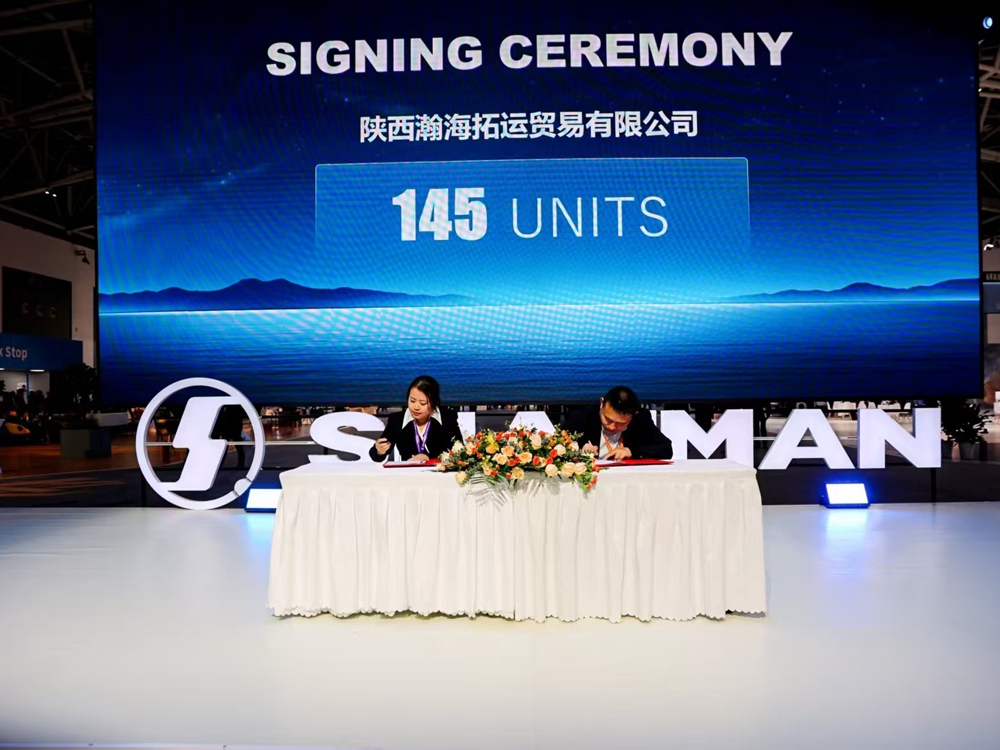
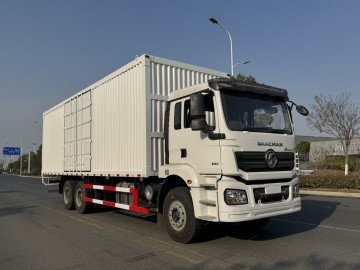
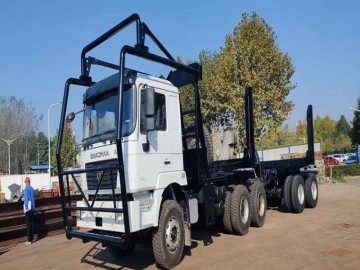
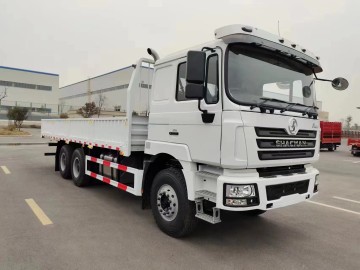
Explore our complete portfolio of heavy dumpers, cargo lorries, flatbeds, and tractor units built to master rigorous extractive and industrial logistics.