+86 15596887398
Leave Your Message
-
WhatsApp
-

-

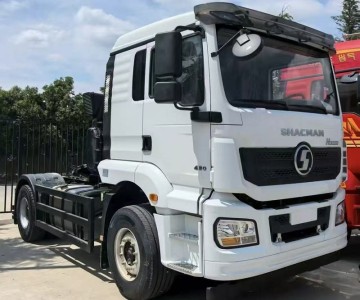
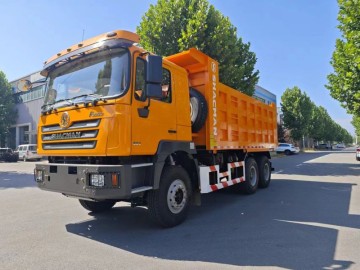
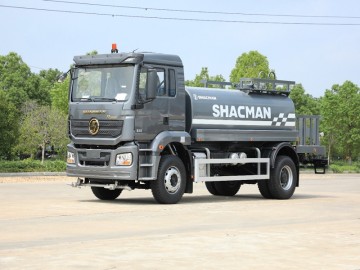
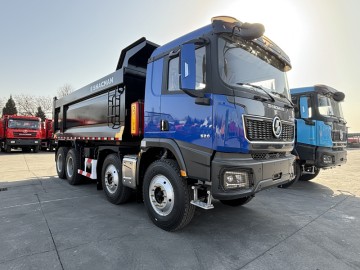
In modern open-pit mining and quarry operations, the efficiency of material handling directly dictates profitability. Overburden stripping—the process of removing layers of soil, stone, and weathered rock to expose valuable mineral or ore deposits—requires an aggressive, continuous haulage strategy. Because these materials are typically non-revenue generating, minimizing the cost per ton of overburden moved is paramount. This is where specialized transport trucks step in, serving as the backbone of high-intensity, deep-pit earthmoving operations.
Deep-pit earthmoving presents a unique set of challenges that standard on-highway commercial vehicles cannot withstand. The haul roads in these environments are characterized by steep, sustained gradients, sharp switchbacks, highly abrasive surfaces, and unpredictable traction conditions. Hauling loads weighing dozens of tons from the pit floor up to the surface waste dumps demands vehicles engineered with exceptional structural integrity, high-torque powertrains, and sophisticated braking systems. A failure in any of these areas leads to costly operational bottlenecks, highlighting the need for purpose-built mining transport trucks.
Industry Insight: The global demand for raw aggregates and minerals is pushing quarries deeper than ever before. As pit depth increases, the haulage cycle time lengthens, making vehicle reliability and powertrain efficiency the primary drivers of site productivity.
To fully appreciate the engineering behind a quarry-ready transport truck, one must understand the geotechnical forces at play. When a truck ascends from a deep pit, it battles gravity on grades that frequently exceed 8% to 12%. Under full load, this places immense stress on the engine, transmission, and drive axles. Continuous operation under such high loads generates extreme thermal energy, requiring heavy-duty cooling packages to prevent engine and transmission overheating.
Furthermore, rolling resistance on unpaved quarry roads is significantly higher than on asphalt. Loose gravel, mud, and water accumulation require trucks to possess superior traction control. Inter-wheel and inter-axle differential locks are standard requirements, allowing vehicles to maintain forward momentum even when individual wheels lose grip. The suspension systems must also be highly resilient, balancing the need to cushion the chassis from violent impact loads during shovel loading with the stability required to prevent body roll when navigating tight turns at speed.

Founded in 1968, we have been committed to delivering products and services of the highest quality to our customers. For us, quality is more than just a word; it is an integral part of our identity and hallmark. We believe that quality means not only meeting customers’ expectations and demands, but also exceeding them to ensure their complete satisfaction.
To this end, we have established and implemented a systematic quality management process, which guarantees the consistency, reliability and safety of all our trucks and services. We adopt a diverse range of quality assurance measures, including quality control, quality audits, quality improvement and quality certification, to monitor and optimize our performance and continuously enhance the customer experience. Quality is our fundamental principle, and it is also our unwavering commitment to all customers and partners.
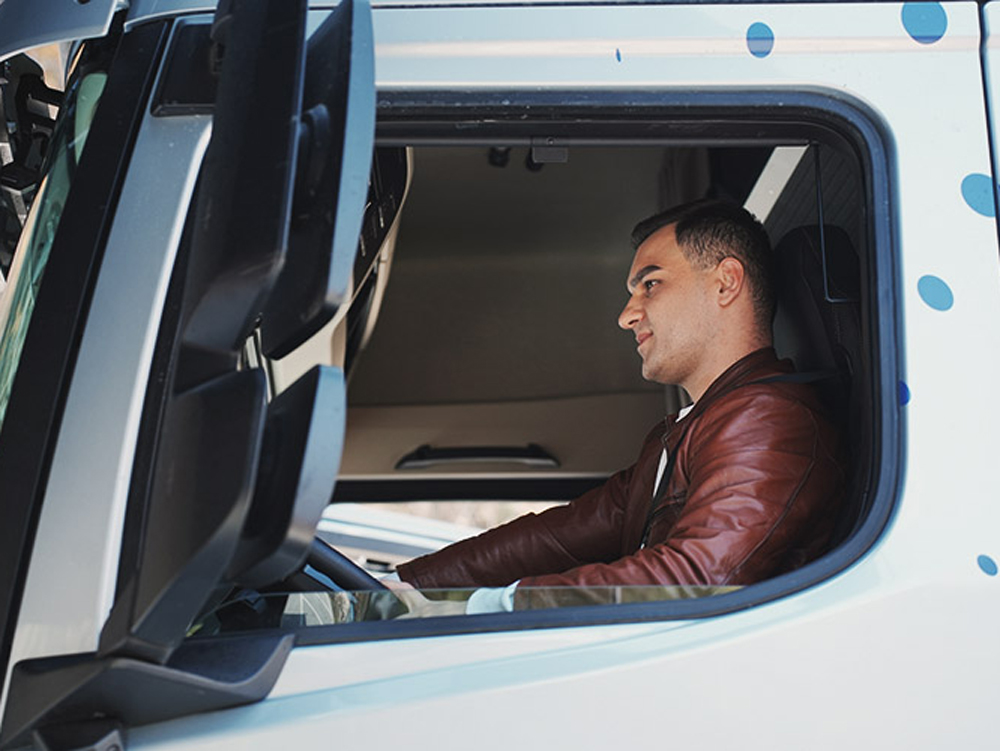
We care deeply about the well-being of drivers, passengers and other road users. For this reason, our trucks are equipped with a full range of advanced active safety features and technologies, including Autonomous Emergency Braking, reverse assist systems, Tire Pressure Monitoring Systems, Intelligent Speed Assistance, 360-degree surround view systems, and driver drowsiness and attention detection. These features work together to prevent accidents, reduce injury risks and enhance driving performance.
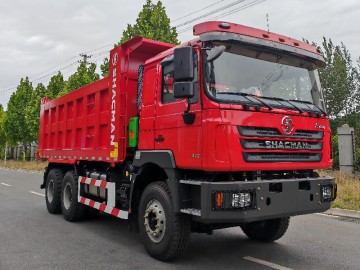
In addition to active safety configurations, SHACMAN trucks are fitted with sophisticated passive safety measures such as reinforced cabin frames, specially engineered crash zones and active airbag systems, all designed to effectively protect occupants in the event of a collision. We also provide professional driver and service training to ensure the proper operation and maintenance of our trucks.
Our ultimate goal is to ensure that our customers can complete every journey safely and reliably and return home to their families. A SHACMAN truck is your trustworthy partner on the road.

Continuous innovation is essential to meeting the ever-growing demands of our customers, the industry and society at large. That is why we invest heavily in developing innovative solutions to address key challenges in truck transportation, including fuel efficiency, environmental impact, safety and productivity.
Our smart technologies deliver real-time feedback, alerts and guidance during vehicle operation, empowering drivers with actionable insights for optimized driving. Through these innovations, we help drivers streamline route planning, cut fuel consumption, reduce emissions and prevent accidents, all while enabling a more comfortable and rewarding driving experience.
The selection of a transport truck for quarry overburden stripping must begin with a rigorous analysis of the powertrain. A high-displacement engine, optimized for low-end torque, is crucial. Mining haulage does not require high top speeds; instead, it demands maximum tractive effort at speeds between 10 to 25 km/h. Modern heavy-duty engines utilize advanced common-rail fuel injection and variable geometry turbochargers to deliver flat torque curves, ensuring the truck can pull out of the deepest pits without bogging down.
Equally important is the transmission. Heavy-duty automated manual transmissions (AMT) or robust manual gearboxes with crawler gears are preferred. AMTs reduce driver fatigue and prevent shifting errors that could lead to loss of momentum on steep inclines. Additionally, integration with a hydraulic retarder is essential. The retarder uses transmission fluid to dissipate kinetic energy during descents, allowing the driver to control vehicle speed without relying on the service brakes. This not only increases safety but also drastically reduces wear on brake linings and drums, lowering maintenance overheads.
When an excavator drops several cubic meters of heavy rock into a dump body, the truck's frame is subjected to massive shock loads. The frame must be constructed from high-strength, low-alloy steel, often featuring a double-layer design to resist permanent deformation. The suspension system, typically utilizing multi-leaf springs with dual-acting shock absorbers or rubber-metal suspensions, must distribute these loads evenly across the axles. Hub reduction axles are highly recommended for deep-pit operations, as they multiply torque at the wheel end, reducing the stress on the differential and axle shafts, thereby preventing axle breakage under high-torque demands.
As the mining and quarrying industries strive for higher efficiency and safer operations, technology integration has accelerated. Telematics systems are now standard, providing fleet managers with real-time data on payload weights, fuel consumption, speed, and geographical location. This data allows for precise cycle-time analysis, enabling operators to identify bottlenecks in the loading or dumping zones and optimize fleet deployment.
AI-driven predictive maintenance is another revolutionary development. By monitoring vibration, oil temperature, and pressure sensors across critical components, AI algorithms can predict failures before they occur. This shifts maintenance from reactive to proactive, ensuring that trucks are serviced during planned downtime rather than breaking down mid-slope. Furthermore, the development of autonomous haulage systems (AHS) is reshaping large-scale quarrying. Driverless transport trucks can operate continuously, adhering to optimized speed profiles that minimize fuel consumption and tire wear while eliminating the safety risks associated with driver fatigue in hazardous environments.
With global pressure to reduce carbon footprints, manufacturers are focusing on eco-friendly power alternatives. While diesel remains the dominant energy source due to its high energy density, hybrid powertrains, LNG (Liquefied Natural Gas) engines, and full-electric mining trucks are gaining traction. Electric dump trucks equipped with regenerative braking systems are particularly suited for deep-pit mining. When descending into the pit loaded, the electric motors act as generators, converting gravity and braking force back into electricity to recharge the battery pack, which is then used to haul the empty truck back up the ramp.