+86 15596887398
Leave Your Message
-
WhatsApp
-

-

High-performance transport trucks optimized for rapid parcel transit and hub-to-hub operations.
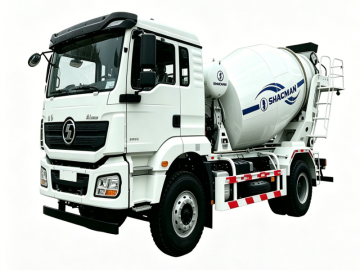
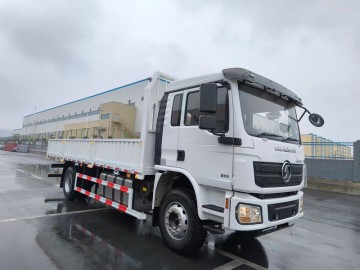
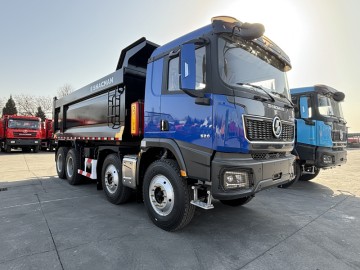
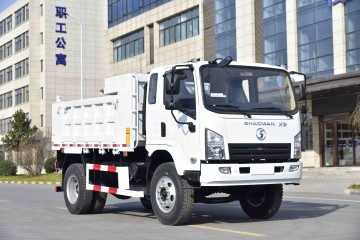
The global e-commerce landscape has experienced a monumental paradigm shift over the past decade. Driven by consumer demands for rapid fulfillment, "next-day delivery," and seamless return processes, the logistics industry has had to reinvent its supply chain architecture. At the core of this transformation is intercity logistics—the critical bridge connecting regional fulfillment centers, urban sorting hubs, and last-mile distribution networks. To sustain this high-velocity flow of goods, logistics operators rely heavily on specialized Transport Trucks for Intercity E-Commerce Courier and Parcel Delivery Services. These vehicles are no longer merely mechanical haulers; they are highly integrated, technologically advanced logistics nodes designed for maximum uptime, efficiency, and safety.
Intercity courier services operate under intense pressure. Unlike traditional bulk freight, where delivery windows are measured in days, e-commerce parcel delivery is governed by strict Service Level Agreements (SLAs) with windows often limited to hours. The rise of direct-to-consumer (D2C) brands, cross-border e-commerce, and seasonal shopping surges (such as Black Friday or Double 11) demands an incredibly agile fleet. Transport trucks operating in this space must balance high payload capacity with speed, fuel efficiency, and structural reliability.
Currently, the market is seeing a consolidation of logistics networks. Large e-commerce giants and third-party logistics (3PL) providers are establishing mega-hubs outside major metropolitan areas. Consequently, transport trucks must continuously shuttle between these hubs, covering distances ranging from 100 to 500 kilometers daily. This operational profile requires vehicles that can endure high-frequency, high-mileage duty cycles while minimizing total cost of ownership (TCO). Fleet operators are increasingly looking for trucks that offer optimized aerodynamics, advanced telematics, and low-maintenance drivetrains to ensure profit margins remain sustainable in a highly competitive environment.
According to recent logistics research, intercity trucking accounts for over 40% of the total logistics cost in the e-commerce supply chain. Optimizing vehicle efficiency by even 5% through aerodynamic design and intelligent route integration can yield millions of dollars in annual savings for large-scale fleets.
To meet the evolving demands of e-commerce delivery, transport trucks are undergoing a rapid technological evolution. Several key trends are defining the next generation of logistics vehicles:
The application of transport trucks within intercity e-commerce courier services is highly specialized. Depending on the logistics node and cargo type, different truck configurations are deployed:
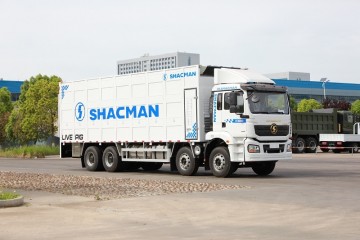
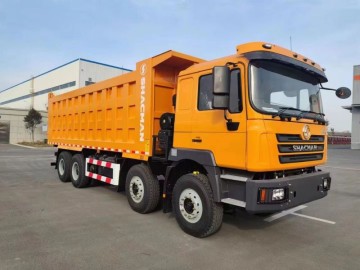
This is the backbone of intercity logistics. Heavy-duty tractors and large box trucks (such as 8x4 configurations) transport massive volumes of unsorted parcels between primary regional sorting centers. These vehicles operate almost continuously, often employing dual-driver teams to keep the wheels turning 24/7. Reliability is paramount here, as a single breakdown can delay thousands of customer orders down the line. High-capacity, fuel-efficient engines coupled with spacious, comfortable driver cabins are essential for these long-haul routes.
Once parcels reach regional hubs, they must be distributed to urban sorting offices or local distribution centers. This is where 4x2 flatbed and medium-duty box cargo trucks excel. These vehicles require excellent maneuverability to navigate suburban roads and semi-urban environments, combined with rapid loading and unloading capabilities. Easy-to-operate drivetrains and agile handling are critical for drivers who must make multiple stops per day.
The rapid growth of online grocery shopping and pharmaceutical e-commerce has created a massive demand for refrigerated intercity transport. Trucks in this category must support reliable Power Take-Off (PTO) systems to power refrigeration units continuously, ensuring that fresh produce, meats, and temperature-sensitive medical supplies remain within strict temperature limits during transit across cities.
Aligning with the industry's strict demands requires a manufacturing philosophy built on three core pillars: Quality, Safety, and Innovation. By integrating these principles into every truck we produce, we enable e-commerce logistics providers to meet their tightest delivery windows confidently. Our heavy-duty and medium-duty vehicles are engineered to withstand the rigorous demands of daily intercity cycles, ensuring that your fleet remains on the road, operational, and profitable.
Our foundational principles drive the engineering excellence behind every commercial transport vehicle we build.



Explore our full range of heavy-duty, medium-duty, and specialized support vehicles for comprehensive e-commerce logistics infrastructure.