+86 15596887398
Leave Your Message
-
WhatsApp
-

-

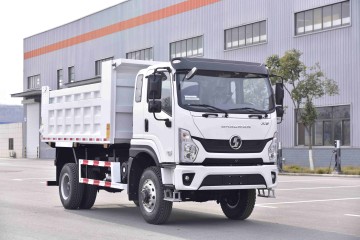
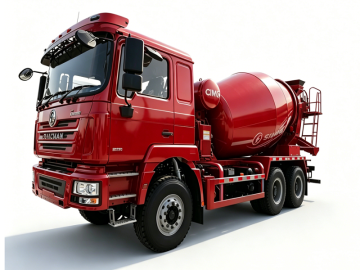
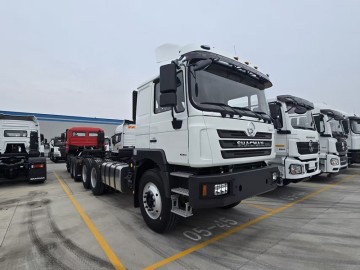
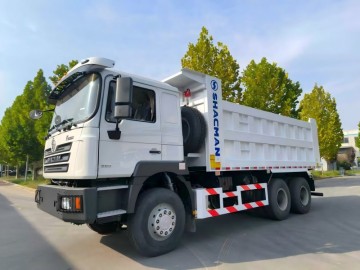
France stands as one of the most critical logistical hubs in the European Union, serving as a primary transit corridor connecting the Iberian Peninsula, Italy, the United Kingdom, and Central Europe. With a highly sophisticated network of autoroutes and major shipping ports like Marseille, Le Havre, and Dunkirk, the demand for robust, high-performance transport trucks is continuously expanding. The French road freight market is characterized by a push toward maximum efficiency, strict adherence to European safety standards, and a rapid transition to low-emission transport alternatives.
Local transport truck services and suppliers face a unique set of regional demands. In metropolitan logistics hubs such as Île-de-France, Lyon (Auvergne-Rhône-Alpes), and Lille, fleet operators require agile, smart, and clean vehicles to navigate dense urban centers. Conversely, cross-country freight lines operating along the A7 (Autoroute du Soleil) or crossing the Pyrenees and Alps demand heavy-duty tractor units with high torque, exceptional braking systems, and ergonomic cabins for long-distance driver comfort.
Northern Corridor (Lille-Paris): Heavy cross-border container traffic coming from Benelux ports.
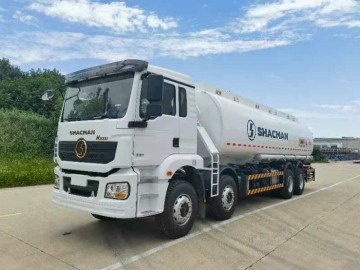
Rhône Valley (Lyon-Marseille): A critical industrial backbone requiring heavy chemical transport, bulk tankers, and distribution vehicles.
South-West Hub (Bordeaux-Toulouse): Driven by aerospace, agriculture, and construction logistics.
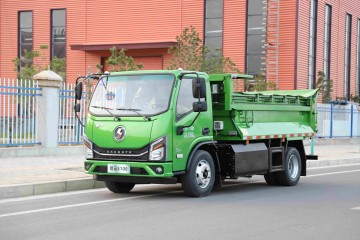
Infrastructure expansion projects across France—most notably the massive Grand Paris Express transit project—require heavy-duty construction vehicles that can operate in confined urban spaces while carrying heavy payloads. Compact dump trucks equipped with 4x4 drive systems, such as the SAGMOTO X9, are highly sought after by French civil engineering contractors. These units provide the necessary traction for muddy excavation sites while remaining maneuverable enough to safely navigate historical city streets.
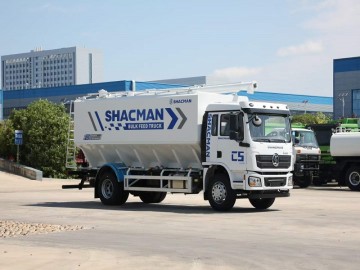
As home to the Rungis International Market—the largest fresh food market in the world—France relies heavily on temperature-controlled and bulk agricultural transport. Suppliers must provide highly specialized transport trucks, including bulk feed trucks and refrigerated units, that comply with strict food safety regulations and can guarantee uninterrupted cold chains from rural farms in Brittany or Occitanie directly to urban centers.
Container transport from France's major ports to inland dry ports requires high-horsepower tractor heads capable of continuous operation under heavy loads. The SHACMAN F3000 series tractor units are engineered to meet these demanding long-haul cycles, offering fuel-efficient engines and robust chassis designs that minimize downtime for shipping lines and third-party logistics (3PL) providers operating across France's borders.
The Drive Toward Decarbonization: France has established ambitious environmental goals, including the expansion of Low Emission Zones (Zones à Faibles Émissions - ZFE-m) in over 40 metropolitan areas. By restricting older diesel trucks, these regulations have accelerated the adoption of electric light-duty trucks (such as the SAGMOTO I9 Electric) and alternative fuel vehicles (LNG/CNG and hydrogen). Fleet operators are actively restructuring their fleets to secure Crit'Air certification, ensuring uninterrupted access to city centers.
Advanced Telematics & AI Fleet Integration: Smart logistics is no longer a luxury in France; it is an operational necessity. Modern transport trucks are increasingly integrated with real-time telematics platforms that monitor fuel consumption, track carbon emissions, predict vehicle maintenance needs, and optimize route planning. This technological shift helps French logistics companies offset rising fuel costs and comply with stringent European corporate sustainability reporting directives.

Founded in 1968, we have been committed to delivering products and services of the highest quality to our customers. For us, quality is more than just a word; it is an integral part of our identity and hallmark. We believe that quality means not only meeting customers’ expectations and demands, but also exceeding them to ensure their complete satisfaction. To this end, we have established and implemented a systematic quality management process, which guarantees the consistency, reliability and safety of all our trucks and services. We adopt a diverse range of quality assurance measures, including quality control, quality audits, quality improvement and quality certification, to monitor and optimize our performance and continuously enhance the customer experience. Quality is our fundamental principle, and it is also our unwavering commitment to all customers and partners.
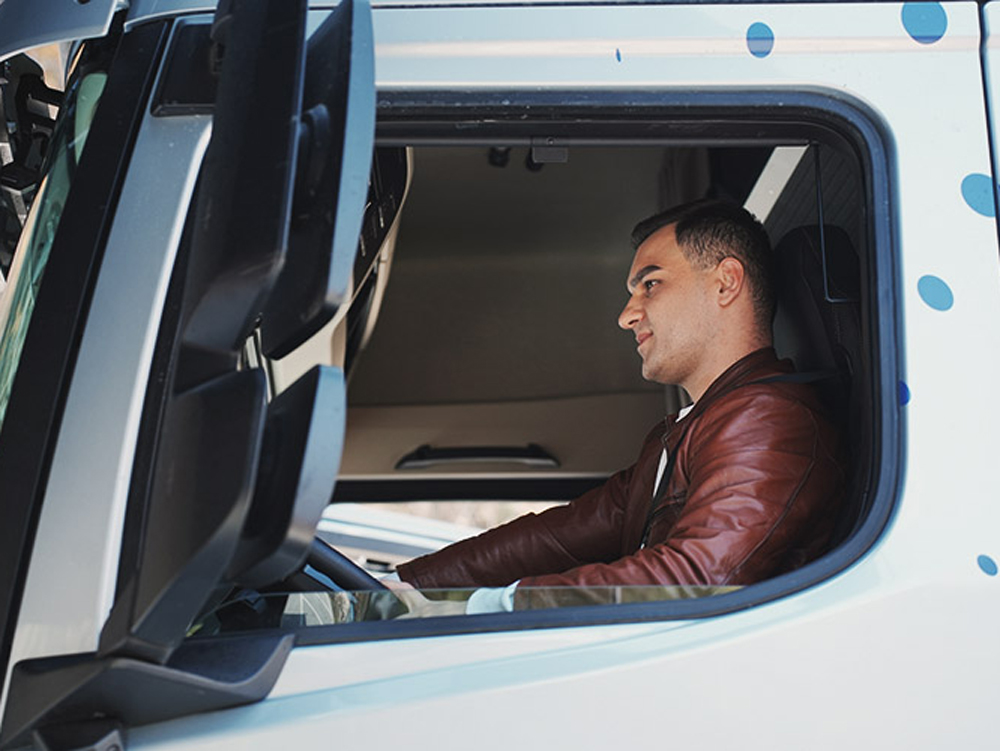
We care deeply about the well-being of drivers, passengers and other road users. For this reason, our trucks are equipped with a full range of advanced active safety features and technologies, including Autonomous Emergency Braking, reverse assist systems, Tire Pressure Monitoring Systems, Intelligent Speed Assistance, 360-degree surround view systems, and driver drowsiness and attention detection. These features work together to prevent accidents, reduce injury risks and enhance driving performance.
In addition to active safety configurations, SHACMAN trucks are fitted with sophisticated passive safety measures such as reinforced cabin frames, specially engineered crash zones and active airbag systems, all designed to effectively protect occupants in the event of a collision. We also provide professional driver and service training to ensure the proper operation and maintenance of our trucks. Our ultimate goal is to ensure that our customers can complete every journey safely and reliably.
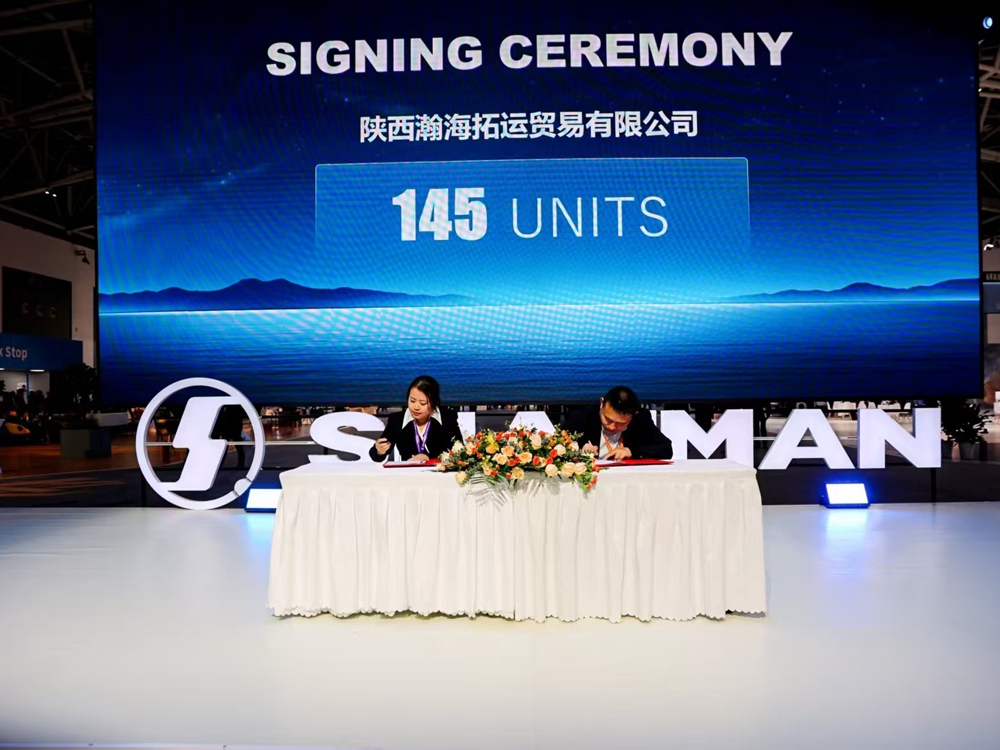
Continuous innovation is essential to meeting the ever-growing demands of our customers, the industry and society at large. That is why we invest heavily in developing innovative solutions to address key challenges in truck transportation, including fuel efficiency, environmental impact, safety and productivity.
Our smart technologies deliver real-time feedback, alerts and guidance during vehicle operation, empowering drivers with actionable insights for optimized driving. Through these innovations, we help drivers streamline route planning, cut fuel consumption, reduce emissions and prevent accidents, all while enabling a more comfortable and rewarding driving experience.
When evaluating suppliers in the French market, fleet managers must look beyond the initial purchase price. Total Cost of Ownership (TCO) is the primary metric used by French logistics firms. A reliable partner must offer robust after-sales support, rapid spare parts delivery networks, and specialized technical assistance.
Furthermore, compliance with European type-approval standards (WVTA) and local environmental regulations is non-negotiable. Suppliers must provide vehicles that are not only durable and powerful but also future-proofed against changing regulatory landscapes, ensuring that investments made today continue to deliver value for years to come.