
 +86 15596887398
Leave Your Message
-
WhatsApp
-

-

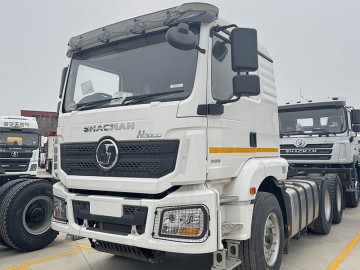
The downstream oil and gas sector represents one of the most logistically demanding supply chains in the world. Transferring refined petroleum products—ranging from highly volatile gasoline and diesel to liquefied petroleum gas (LPG)—from massive, complex oil refineries to local gas stations requires a seamless, secure, and highly efficient transport network. At the heart of this critical distribution system is the heavy-duty truck tractor. Designed to pull high-capacity fuel semi-trailers, these specialized commercial vehicles serve as the vital link that keeps global economies moving and energy networks constantly replenished.
Petroleum logistics demands 24/7 reliability. A single day of transport delays can result in empty fuel pumps at retail gas stations, disrupting regional transit and causing significant economic losses. Modern truck tractors engineered for petroleum replenishment are built with a primary focus on safety compliance, fuel economy, and maximum payload capacity.
In today's global market, the demand for petroleum products remains robust, requiring continuous logistics optimization. Oil refineries are typically situated in industrial coastal areas or strategic inland hubs, far removed from the urban and suburban markets where gas stations operate. This geographic gap requires a diverse and dynamic fleet of tractor trucks capable of operating over long distances, negotiating heavy highway traffic, and safely maneuvering through tight urban retail zones.
Commercially, fleet operators face intense pressure to reduce total cost of ownership (TCO) while adhering to strict environmental mandates. Fuel consumption accounts for a significant portion of operating costs. Consequently, engine efficiency, aerodynamics, and lightweight chassis design have become critical competitive factors. Manufacturers like SHACMAN have responded by developing advanced powertrains and integrated telematics systems that allow operators to monitor fuel usage, optimize routing, and minimize idle times during refinery loading and gas station unloading procedures.
The journey of a petroleum transport truck tractor can be divided into three distinct operational scenarios, each presenting unique engineering and operational challenges:
In this scenario, heavy-duty 6x4 tractor units are coupled with large-capacity aluminum or steel tankers, carrying up to 40,000 liters of refined fuel. The primary requirements here are raw power, torque, and structural integrity. Vehicles must climb steep grades when exiting refinery basins and maintain stable cruising speeds on major highways. High-torque engines, reinforced chassis frames, and advanced suspension systems are critical to managing the high center of gravity associated with liquid cargo.
Delivering fuel to retail gas stations requires navigating urban environments, narrow streets, and compact forecourts. Here, maneuverability and driver visibility are paramount. Tractors must feature optimized turning radiuses, advanced camera systems to eliminate blind spots, and responsive braking systems. Because these deliveries often happen overnight to minimize traffic disruption, low-noise engine technology and quiet cab insulation are highly valued to comply with municipal noise ordinances.
Supplying remote mining operations, construction sites, and agricultural hubs requires tractors built for harsh terrains. These units must feature high ground clearance, robust differential locks, and heavy-duty air filtration systems to handle unpaved roads, dust, and extreme temperature variations. The tractor must maintain structural integrity under continuous vibration while carrying hazardous payloads over rough terrain.
Transporting liquids introduces the challenge of "sloshing" or surge, where the movement of fuel inside the tank creates dynamic forces that can destabilize the vehicle during braking or cornering. Modern truck tractors integrate Electronic Stability Control (ESC) and advanced anti-lock braking systems (ABS) that communicate directly with the trailer to mitigate these forces, ensuring the vehicle remains grounded and controllable under all conditions.
Safety is the absolute priority in hazardous chemical logistics. Truck tractors designated for petroleum transport must comply with international standards such as the Agreement concerning the International Carriage of Dangerous Goods by Road (ADR). These regulations dictate specific vehicle modifications to prevent fire hazards and ensure structural stability:
The future of petroleum replenishment logistics is driving toward two major milestones: decarbonization and automation. While the cargo remains petroleum, the vehicles transporting it are adopting cleaner propulsion technologies:
Liquefied Natural Gas (LNG) tractors are already gaining traction in long-haul logistics due to their lower carbon emissions and reduced operating costs compared to traditional diesel. For short-haul and regional distribution, hydrogen fuel cell and battery-electric heavy-duty tractors are undergoing rigorous testing, offering zero-emission operations that align with global sustainability targets.
Modern fleets leverage big data and AI to transform operations. Real-time telematics allow fleet managers to monitor fuel levels, track vehicle locations, assess driver behavior, and perform predictive maintenance. By analyzing engine performance data, companies can schedule maintenance before a component fails, preventing costly breakdowns on the road and ensuring continuous replenishment cycles.
SHACMAN is a leading manufacturer of heavy-duty trucks in China. With over 50 years of deep engagement in the industry, it has earned a global reputation for its exceptional manufacturing craftsmanship, advanced technologies and robust performance.
We specialize in the full range of light, medium and heavy-duty trucks as well as genuine original spare parts. Our product portfolio covers versatile core models to high-performance flagship models, catering to the diverse transportation needs worldwide. Adhering to independent R&D, we focus on fuel efficiency and safety upgrades. Backed by scientific management and professional services, we ensure every vehicle delivers outstanding cost performance, stable operation and superior durability.
Upholding the philosophy of Integrity & Win-Win and practicing sustainable development, we are committed to providing integrated commercial vehicle solutions for global customers and fulfilling our brand promise of Exceeding Value for Money.





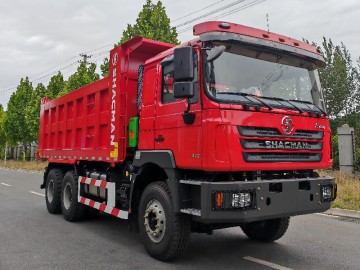
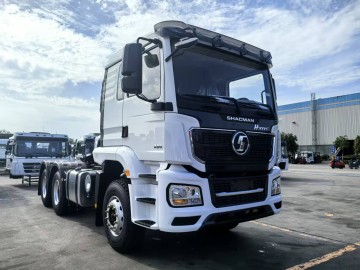
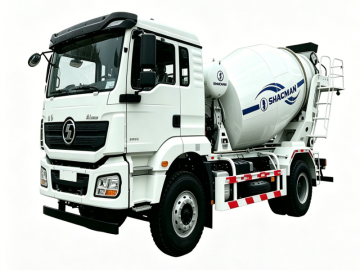
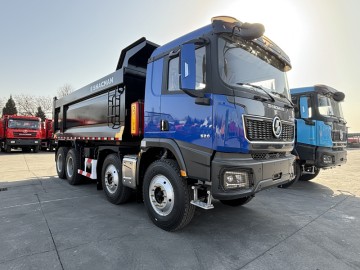
At SHACMAN, we are committed to leveraging cutting-edge technologies to empower our customers to achieve business success. We harness big data to deliver comprehensive, customized solutions that streamline and optimize our customers’ business operations. Our support enables customers to boost operational efficiency, service quality, safety and compliance, as well as enhance engagement with their own customers and partners. We strive to build long-term, mutually beneficial partnerships with our customers, supporting their day-to-day operations and sustainable growth. We are more than just a truck manufacturer – we are your trusted business partner.