+86 15596887398
Leave Your Message
-
WhatsApp
-

-

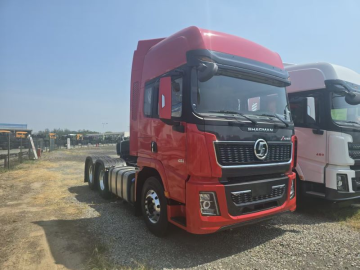
Explore our premier heavy-duty truck tractors engineered to excel in high-intensity, short-haul industrial environments.
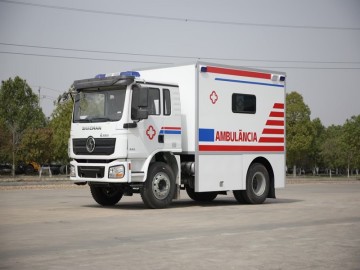
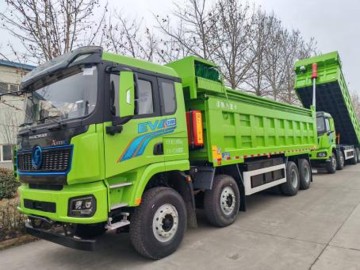
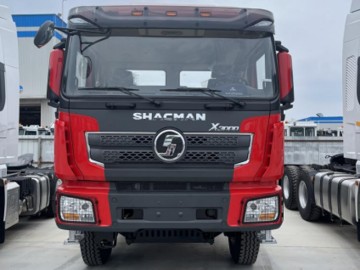
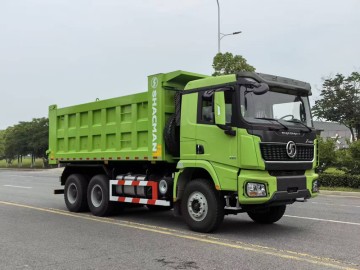
The global steel industry is undergoing an unprecedented paradigm shift. As one of the largest industrial contributors to carbon emissions, steel manufacturers are under immense pressure from regulatory bodies, investors, and global markets to achieve carbon neutrality. While much of the public focus remains on green hydrogen-based direct reduced iron (DRI) and electric arc furnaces (EAF), internal logistics decarbonization represents a massive, highly accessible lever for immediate carbon reduction.
Steel mill internal logistics are characterized by harsh operating environments, continuous 24/7 cycles, extreme payloads, and short-haul transit routes. Historically, these operations relied heavily on diesel-powered truck tractors. These vehicles idle for extended periods during loading and unloading, emitting significant amounts of greenhouse gases (GHGs), particulate matter (PM2.5), and nitrogen oxides (NOx) within confined industrial zones. Transitioning to zero-emission truck tractors is no longer merely a corporate social responsibility goal; it is a critical operational imperative.
Unlike long-haul freight, which suffers from range anxiety and a lack of public charging infrastructure, internal steel mill logistics operate in closed-loop, predictable environments. Routes are highly repetitive, typically ranging from 1 to 10 kilometers. This predictability allows for optimized charging schedules, integrated battery-swapping stations, and centralized maintenance, yielding an incredibly high return on investment (ROI) for electric and hydrogen heavy-duty fleets.
To fully appreciate the engineering demands placed on a zero-emission truck tractor, one must examine the specific high-intensity scenarios encountered daily within a modern steel manufacturing complex:
Before steel is even cast, massive volumes of raw inputs—such as iron ore, metallurgical coal, limestone, and recycled scrap metal—must be transported from port terminals, rail yards, or storage stockyards directly to the blast furnaces or electric arc furnaces. This requires truck tractors to pull heavy dump trailers or flatbeds loaded to maximum gross vehicle weight (GVW). The environment is incredibly dusty and abrasive. Zero-emission tractors designed for this scenario must feature highly sealed electric drivetrains (IP67 or IP69 rating) and advanced multi-stage cabin filtration systems to prevent ingress of metallic dust.
Perhaps the most extreme environment in any industrial setting is the vicinity of the furnace. Slag pot carriers and liquid metal transport support vehicles operate under intense radiant heat. Electric truck tractors deployed in these zones require specialized thermal shielding for battery packs, high-temperature resistant wiring harnesses, and advanced fire suppression systems. The electric motors must deliver immense low-speed torque to safely navigate steep ramp inclines while carrying molten materials.
Once the steel is rolled, hot-rolled coils (HRC), heavy plates, and structural steel beams need to be transferred to cooling yards, processing facilities, or shipping bays. These loads are concentrated and require precise maneuvering within narrow warehouse aisles. Electric truck tractors excel here due to their instant torque delivery and infinitely adjustable regenerative braking systems, which allow operators to control heavy loads with surgical precision, reducing wear on traditional friction brakes by up to 80%.
Enables continuous 24/7 operations with 3-5 minute battery swap times, eliminating long charging downtime.
Reinforced chassis, dust-proof enclosures, and thermal management systems built for extreme mill environments.
Substantial savings on diesel fuel and maintenance, with payback periods often under 3 years in double-shift setups.
The adoption of zero-emission truck tractors in industrial logistics is accelerating due to several converging trends:
1. Battery Swapping vs. Megawatt Charging: While megawatt charging systems (MCS) are emerging, battery-swapping technology remains the gold standard for heavy-duty industrial sites. By decoupling the battery from the truck, steel mills can charge batteries during off-peak electricity hours, reducing grid strain and lowering energy costs, while keeping the tractors on the move with minimal downtime.
2. Smart Fleet Telematics and AI Optimization: Modern electric tractors are moving data centers. Integrated telematics systems monitor battery State of Charge (SoC), motor temperature, and driving behavior in real-time. AI algorithms optimize dispatching, ensuring that trucks are routed to charging or swapping stations precisely when needed, maximizing fleet utilization.
3. Autonomous Driving Integration: Because internal steel mill routes are private, closed, and highly mapped, they serve as the ideal testing ground for Level 4 autonomous truck tractors. Combining zero-emission drivetrains with autonomous driving tech removes human error, enhances safety in hazardous zones, and further drives down operating costs.

Founded in 1968, we have been committed to delivering products and services of the highest quality to our customers. For us, quality is more than just a word; it is an integral part of our identity and hallmark. We believe that quality means not only meeting customers’ expectations and demands, but also exceeding them to ensure their complete satisfaction.
To this end, we have established and implemented a systematic quality management process, which guarantees the consistency, reliability and safety of all our trucks and services. We adopt a diverse range of quality assurance measures, including quality control, quality audits, quality improvement and quality certification, to monitor and optimize our performance and continuously enhance the customer experience. Quality is our fundamental principle, and it is also our unwavering commitment to all customers and partners.
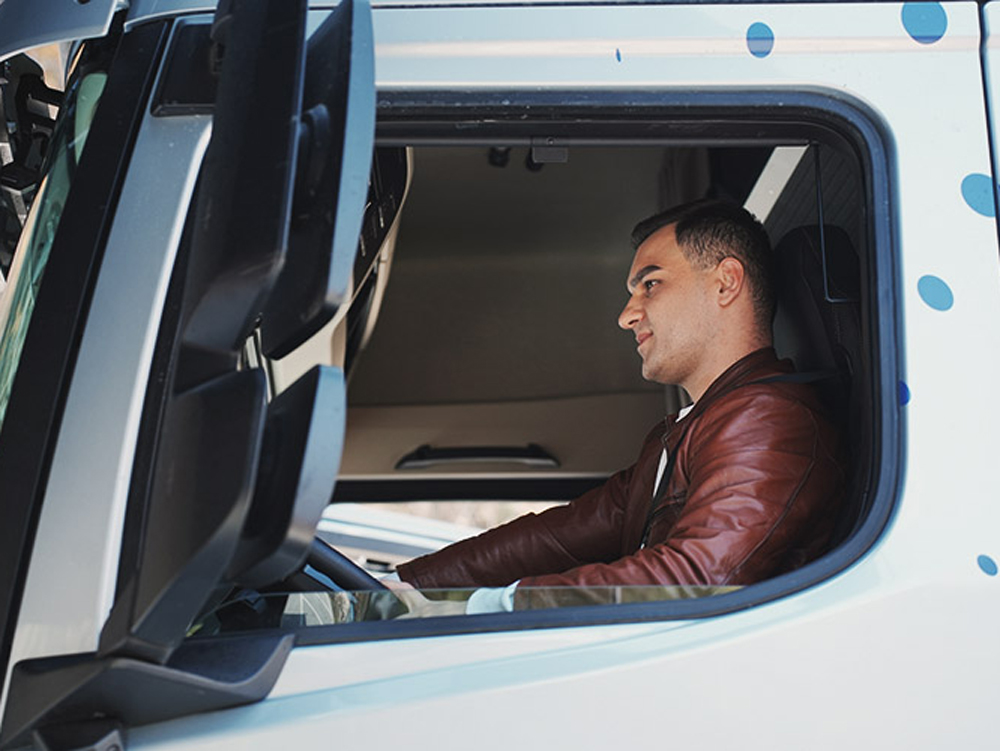
We care deeply about the well-being of drivers, passengers and other road users. For this reason, our trucks are equipped with a full range of advanced active safety features and technologies, including Autonomous Emergency Braking, reverse assist systems, Tire Pressure Monitoring Systems, Intelligent Speed Assistance, 360-degree surround view systems, and driver drowsiness and attention detection. These features work together to prevent accidents, reduce injury risks and enhance driving performance.
In addition to active safety configurations, SHACMAN trucks are fitted with sophisticated passive safety measures such as reinforced cabin frames, specially engineered crash zones and active airbag systems, all designed to effectively protect occupants in the event of a collision. We also provide professional driver and service training to ensure the proper operation and maintenance of our trucks. Our ultimate goal is to ensure that our customers can complete every journey safely and reliably and return home to their families.
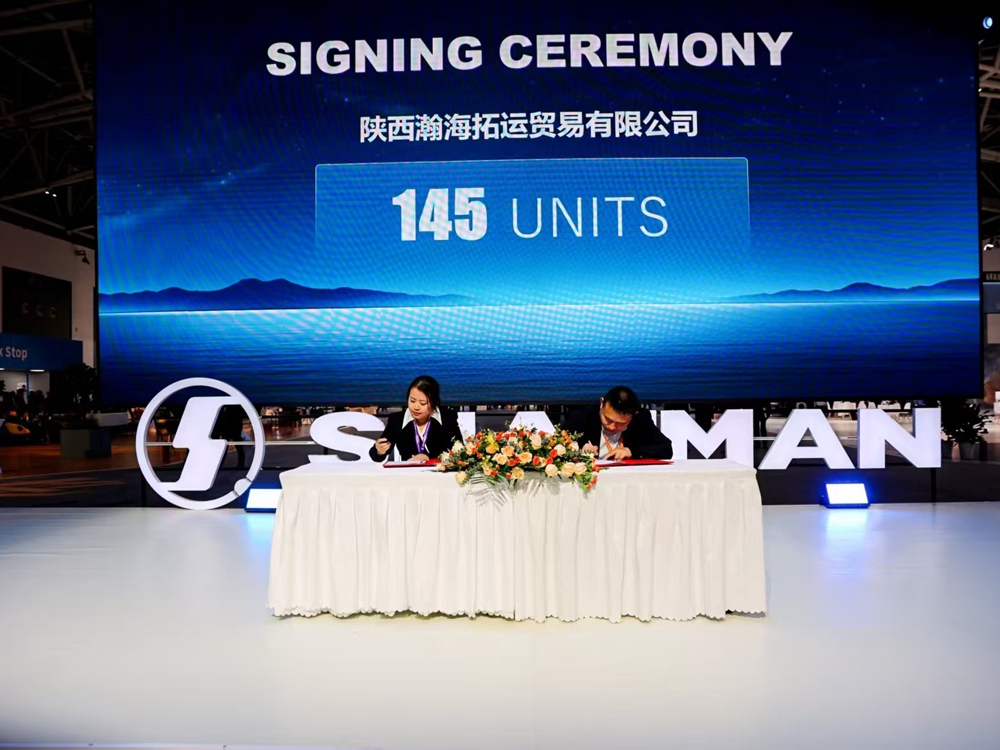
Continuous innovation is essential to meeting the ever-growing demands of our customers, the industry and society at large. That is why we invest heavily in developing innovative solutions to address key challenges in truck transportation, including fuel efficiency, environmental impact, safety and productivity.
Our smart technologies deliver real-time feedback, alerts and guidance during vehicle operation, empowering drivers with actionable insights for optimized driving. Through these innovations, we help drivers streamline route planning, cut fuel consumption, reduce emissions and prevent accidents, all while enabling a more comfortable and rewarding driving experience.
When evaluating the transition to zero-emission truck tractors, fleet managers must look beyond the initial capital expenditure (CapEx) and focus on the Total Cost of Ownership (TCO). While electric and hydrogen-powered trucks command a premium upfront, their operational expenditure (OpEx) is dramatically lower than that of diesel equivalents.
In a typical steel mill operating 24 hours a day, a truck tractor can easily accumulate high operating hours even within short distances. Under these high-utilization conditions, the fuel savings alone are staggering. Electricity is not only cheaper than diesel per unit of energy, but electric drivetrains are also inherently more efficient. A diesel engine converts only about 30-35% of fuel energy into motion, whereas an electric powertrain achieves over 85% efficiency.
Traditional diesel tractors operating in dusty steel mills require frequent oil changes, air filter replacements, and exhaust after-treatment system (DPF/SCR) maintenance. Electric drivetrains eliminate hundreds of moving parts—no engine oil, no spark plugs, no transmission fluids, and no complex emissions control systems. This translates directly to less unscheduled downtime and lower maintenance labor costs.
Governments worldwide are implementing strict limits on industrial emissions. Steel mills, often located near urban centers or sensitive ecological zones, face intense scrutiny. Transitioning internal logistics to zero-emission truck tractors helps mills comply with local environmental regulations, avoid costly non-compliance fines, and secure their social license to operate.
Furthermore, global steel buyers are increasingly demanding "green steel"—products with verified low lifecycle carbon footprints. Decarbonizing internal transport is an essential step in securing third-party green certifications, allowing steel manufacturers to command premium pricing in a highly competitive global market.